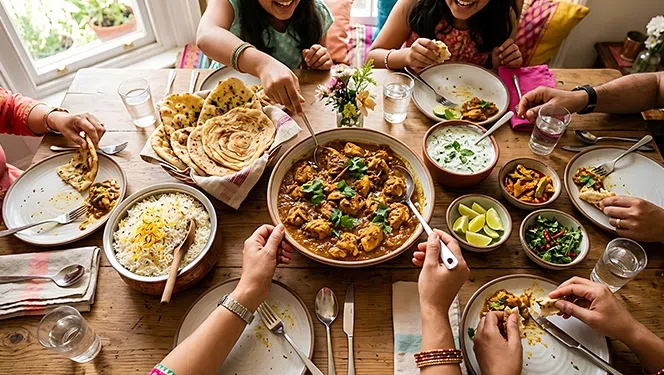
If India were ever to select a national dish, it would be khichdi. The connect with this comfort food is so strong that we often forget that behind its humble taste lies huge health benefits.
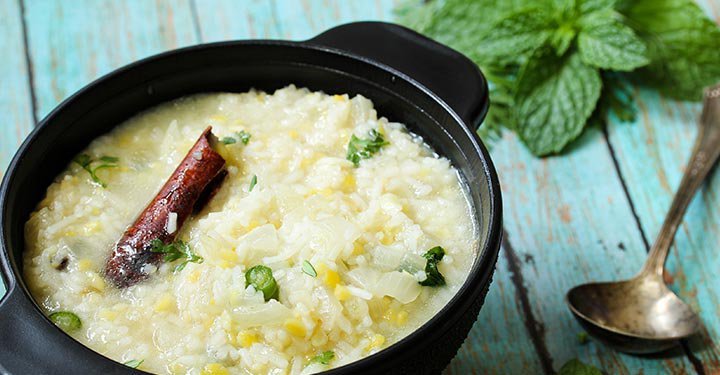
A combination of rice and lentils, khichdi is a one pot Indian dish that is popular in most households across the country. It is interesting to note that khichdi's popularity goes way back in time. It has been mentioned in the travelogue of Jean Baptiste Tavernier, a French merchant, during his visits to India, dating back to the 1600s.
Resembling a simple porridge, khichdi is the perfect protein-rich dish, thanks to the generous amount of rice and lentils in it. Also, there are multiple variants to khichdi - the bland one for the elderly, sweetened milk-based khichdi for kids, and masala khichdi with papadum and curd for the grown-ups.
According to the ancient Indian medical science, Ayurveda, khichdi is known for its healing properties. This easy-to-cook dish is known to balance the three doshas -- vata, pitta and kapha (biological energies that govern the body's physical and mental processes). Khichdi also helps in detoxing and cleansing the system.
It is summer season and hence, need to steer clear of foods that heat up our body. According to Ayurveda, if you have an imbalance of the pitta dosha, khichdi is one of the best foods to consume. This is attributed to the fact that it is easily digestible. Also, it is high in water content, along with being rich in iron, vitamin B complex and a good source of healthy carbohydrates. Moong dal has a cooling effect on the body as well and is easy on the liver. The traditional combination of rice and moong khichdi, is the ayurvedic prescription for resting the digestive system, improving the liver and to avoid gastrointestinal conditions like acidity and ulcers.
In recent times, however, this nutrition-rich food is receiving stiff competition from new exotic foods like quinoa. Not meaning to dispute the benefits of quinoa, but the seed that masquerades as a grain, unlike rice and lentils, is hard to digest and hence not recommended for intake. Particularly on days when you are unwell it is better to avoid quinoa.
Also read: 10 Effective Weight Gain Foods For Your Baby
The inherent goodness of this humble dish goes beyond just cooling the body. It is a wholesome meal that has the perfect balance of nutrients. Apart from the benefits rice offers, lentils alone provide our bodies with phosphorus, iron, zinc, other minerals and digestible starch which is very good for diabetics. You can add rich fibre to the dish by blending in the right mix of vegetables. You can also replace the traditional khichdi with multi-grains to get a healthy dose of vitamins and essential minerals. Further, the simple dish is easy on the gut and digestive system, and is often recommended as the ideal food for recovery when one falls sick.
Khichdi is a boon for vegans and vegetarians who avoid meat and eggs. Our body needs 20 amino acids, of which our body can synthesise 10. The remaining amino acids can be received from our food particularly animal proteins which have all of the vital nutrients. Rice, like most grains, is very low in the amino acid lysine, which will likely make you protein-deficient. Legumes and lentils, on the other hand, are rich in lysine, but low in methionine, tryptophan and cystine. Together, the grains fill in for the deficiency of these three amino acids. This way, khichdi makes an ideal food to supplement protein needs for vegetarians.
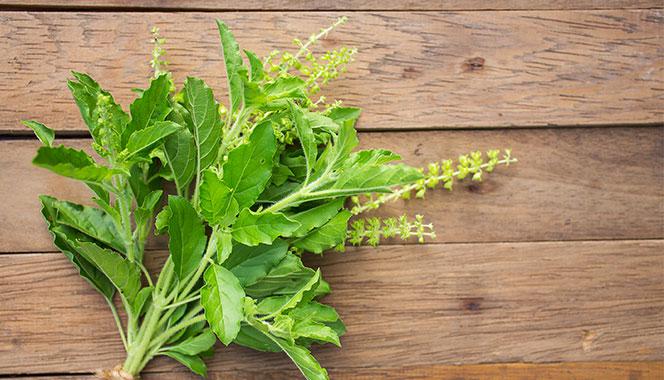
While the conventional khichdi does not include spices that benefit the cleansing and detox of the body, there are some basic spices used for flavouring, which also enhances the healing properties of this dish. For instance:
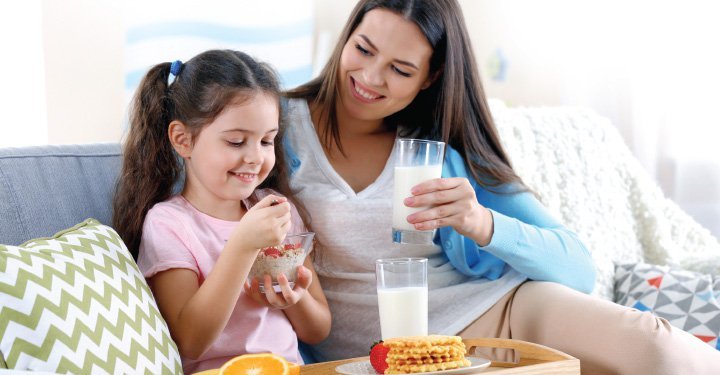
Khichdi is an ideal food for babies above six months of age. It is one of the most common first foods mothers feed their infants apart from breast milk during the initial formative months. It is an ideal choice to introduce solids in their diet. as khichdi is easy for babies to eat. The rice and lentils present in khichdi are easy to digest by the infants. This food provides complete protein and other nutrition that is essential for the growth of babies.
Also read: 6 Eating Mistakes Busy Moms Make
The basic ingredients in preparing khichdi are rice, moong dal or toor dal, turmeric, cumin and ghee. This simple dish can be enhanced with spices as well as up its nutritional quotient by adding other foods to it like:
Ingredients:
Method:
As India is a land of diverse culture, it is also a land of a variety of khichdis from various regions. The southern part of India gives us three variants of khichdi, of which pongal, that comes from the state of Tamil Nadu, is the most popular one. Pongal can be substituted for khichdi.
With every Indian region having its own variant, khichdi has the potential to be the national dish of the country. Whether it is the first meal infants indulge in or provide comfort to sick or just going light for the sake of health and detox, the ordinary khichdi is extraordinary when it comes to well-balanced and nutritious dishes of all times.
About the expert:
Written by Luke Coutinho on 10 May 2019.
The author, Luke Coutinho, is Adviser of Integrative Lifestyle and Nutrition at Purenutrition.me
Join our Circles to share, discuss and learn from fellow parents and experts!
Looking for expert tips and interesting articles on parenting? Subscribe now to our magazine. Connect with us on Facebook | Twitter | Instagram | YouTube
Comments
Edit
Comment Flag
Cancel Update