
The Power And Benefits Of Indian Spices And Its Amazing Medicinal and Healing Properties
Subhechha Chatterjee
Did you know that your kitchen is a storehouse of immunity-boosting foods? From black pepper to turmeric, Indian spices offer the most natural immunity to our children
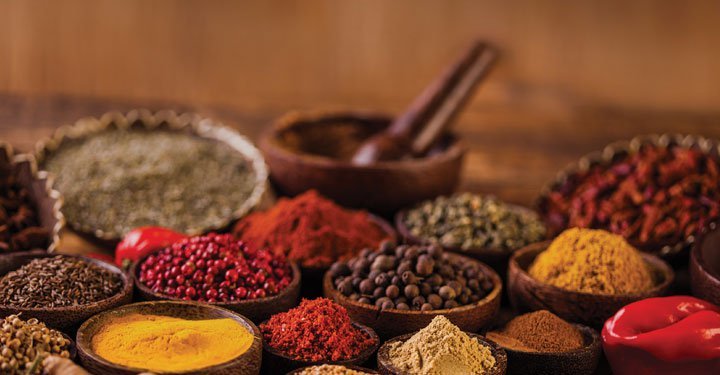
A strong immune system may not make you or your child completely resistant to viral diseases. However, it can make you less vulnerable to diseases and keep you protected from their severe effects. In the larger context, a well-functioning immune system also ensures that children are less susceptible to a large number of other dangerous diseases, as they grow older.
Here, we look into the benefits of some commonly used Indian spices. We also show you some interesting ways to make your little one consume them without tantrums or reluctance. Your child will gradually develop a taste for these spices.
Well, when I was a child, I would often sulk at the sight of black pepper in any dish. My mom would somehow convince me to eat it by explaining all the miraculous benefits of the spice. Today, black pepper is one of my favorite spices. It is indeed a magical spice that humbly finds a place in the kitchen of almost every Indian household. On that note, let's begin our spice-filled journey right away!
Turmeric
A quintessential spice that is used in a large number of curries and dals, turmeric makes a dish look visually appealing too with its bright yellow hue!
Benefits:
- Helps in combating cold, flu, and other viral infections thanks to the presence of the chemical compound, curcumin, which is an organic anti-inflammatory agent.
- Lowers the risk of chronic illnesses such as cancer, heart disease, and certain types of neural disorders.
- Boosts the digestive system by enhancing bile production from the gallbladder and helps ease heartburn, bloating and acidity.
Easy ways to consume:
- Make turmeric a must-have spice in at least one curry or dish that you prepare daily. (Research shows that the benefits of turmeric are enhanced when consumed along with black pepper. So, try and pair the two whenever possible.)
- Try introducing a decoction of honey, turmeric, pepper, and ginger to your child's daily glass of milk.
- A pinch of turmeric added to plain rice enhances the color and makes it look more appealing to your child!
Ginger
An edible underground root, ginger greatly amplifies the taste of a bland curry.
Benefits:
- Helps combat cough, cold and flu, thanks to the presence of gingerol, the primary compound of ginger, which has excellent antioxidant and anti-inflammatory properties.
- Plays an effective role in warding off cancers of the gut.
- Aids in the process of digestion and improves bowel movement.
- Helps control nausea and morning sickness in expectant mothers.
- Cures muscle cramps and soreness caused by intensive physical activity.
Easy ways to consume:
- Ginger adds an extra zing to dishes. You can add it as a paste or as thin juliennes in most vegetarian and non-vegetarian dishes, and see how it teases the palette of your little one. Ginger, along with cumin and ghee, can also help enhance the taste of simple dals.
- How can we forget ginger tea (commonly called adrakwali chai in North India)? Pound some ginger using your traditional mortar and pestle and add it to your regular tea and voila! Hot, sharp, and energizing ginger tea is ready.
- Next time your child has a cold, here's an effective remedy. Slice some ginger and mix it with a dash of black pepper powder, rock salt, and honey.
Garlic
Garlic is an extremely versatile spice with a tempting aroma and flavor that is used in a variety of ways in different cuisines across the globe.
Benefits:
- Reduces cholesterol levels and lowers the risk of heart disease thanks to the presence of the compound allicin in freshly chopped garlic.
- Facilitates better digestion and improves gut health.
- Helps battle cancer with its anti-carcinogenic properties.
- Fights Tapeworm disease in children thanks to the presence of anti-bacterial, anti-fungal and anti-parasitic agents.
- Builds metabolism and reduces inflammation thanks to its richness in Vitamin B1, Vitamin C and manganese.
Easy ways to consume:
- Like ginger, garlic paste, or finely chopped garlic improves the taste of most dishes.
- Most children love eating pasta. So, the next time you make pasta, try using whole wheat pasta tempered with chopped garlic, sautéed in a teaspoon of olive oil.
- You can also make a simple garlic pickle with whole garlic cloves mixed with lemon juice, gingelly oil, and some ground spices to make garlic more appetizing for your child.
Fenugreek
Fenugreek or methi is used in different forms in our foods— seeds, dried leaves (often called kasuri methi), or fresh leaves. Although it has a slightly bitter taste, fenugreek is known to add a unique flavor to many food preparations.
Benefits:
- Builds metabolism thanks to abundantly present fibre, iron and magnesium.
- Keeps blood sugar levels under control.
- Helps cure stomach infections and heartburn.
- Improves liver and kidney functions.
- Aids in weight regulation and management.
Easy ways to consume:
- Kasuri methi is often used as a flavoring agent in dals, curries and pickles.
- Soak a handful of fenugreek seeds overnight and drink the water early in the morning. This is a great detoxifier and helps reduce blood sugar levels.
- For your young child, methi khichdi, made either from fresh fenugreek leaves or kasuri methi is a good option. You can also make methi parathas, a tasty and undoubtedly healthy dish!
Fennel seeds
Fennel seeds are a staple post-meal nibble in most Indian households. It has a slightly sweet taste.
Benefits:
- Help improve digestion. It is also consumed as a mouth freshener.
- Stimulates nitrite production in saliva while chewing, which, in turn, reduces blood pressure.
- Detoxifies the blood and improves nutrient absorption in the body.
- Improves immune responses and lowers the risk of certain kinds of cancers.
Easy ways to consume:
- Give your child fennel seeds mixed with some rock sugar (misri), after meals.
- Powder fennel seeds and add it to raw mango or tomato-date chutneys, and savor the unique flavor it adds.
- Instead of buying candied fennel seeds that are often coated with artificial colors, try making them at home by heating some jaggery and honey and mixing fennel seeds with them. Once it cools down and dries up, you can preserve it.
Black pepper
Often referred to as the king of spices, black pepper is a constant on our dining tables, along with salt, and can instantly spice up any bland dish.
Benefits:
- Helps in repairing damaged cells, thereby reducing the risk of cancer.
- Enhances digestion by stimulating the secretion of digestive juices.
- Helps cure cold, flu, and cough, thanks to its anti-inflammatory properties.
- Eases the discomfort caused by bloating and helps in expelling gas.
Easy ways to consume:
- Black pepper, either in its powdered form or simply as peppercorn, can be added to almost any food item along with salt.
- Make your child's khichdi more flavourful by adding a dash of pepper powder.
- You could also add pepper powder to your child's curries instead of hot chilies. It enhances the taste and yet, is not very spicy for your child's palette.
Cumin
A very commonly used spice in Indian kitchens, cumin (or jeera) has a distinctive aroma and taste.
Benefits:
- Aids digestion by enabling better secretion of digestive juices.
- Acts as a good laxative that helps in curing hemorrhoids, since it is rich in Vitamin C and dietary fibres.
- Lowers the risk of cancer by retarding the growth of tumor cells, thanks to the presence of cumin aldehyde.
- Treats conditions like anemia, thanks to its high iron content.
- Keeps bacterial and fungal infections at bay, thanks to its anti-inflammatory and anti-microbial properties.
- Boosts energy by augmenting the rate of metabolism.
Easy ways to consume:
- Cumin is an intrinsic part of most Indian curries, deals, and fries. You could also spice up your rice by tempering it with ghee, jeera and salt.
- Jal jeera (a type of cumin water) is a much-loved drink that is savored by children and adults alike. You can make fresh jal jeera with cumin powder, fennel seed powder, salt, sugar, and a dash of ginger juice.
Cinnamon
Cinnamon is an edible tree bark that offers a burst of flavors ranging from slightly sweet to spicy. In its powdered form, cinnamon is used in a variety of desserts and is also an essential component of the mixed spice combination called garam masala.
Benefits:
- Reduces inflammation, thanks to the presence of the chemical compound, cinnamaldehyde.
- Helps in managing Type 2 Diabetes.
- Lowers the risk of heart disease by curbing bad cholesterol levels and maintaining good cholesterol levels.
- Ensures the body cells are not damaged, thanks to its rich antioxidant properties.
Easy ways to consume:
- Cinnamon added to pulao or biriyani makes the dish more flavourful and lends an irresistible aroma to it.
- You could also add a small stick of cinnamon to your tea. It brings about a subtle sweetness and fragrance to the tea.
- For your little one, try delectable desserts like cinnamon rolls or apple cinnamon pie. They are sure to eat it with joy.
Cardamom
Cardamom, commonly called elaichi, is another frequently used spice that is available in a variety of sizes and colors ranging from the small green ones to the slightly bigger blackish-brown ones. It has an intense aroma and a slightly sweet taste and can be added to desserts and savories to enhance their taste.
Benefits:
- Acts as a natural remedy for colds, flu, and some respiratory disorders.
- Helps in expelling extra water from the body in the form of urine.
- Lowers blood pressure.
- Aids in digestion, reduces bloating, and heals ulcers.
- Stimulates better metabolic functioning and aids in burning excess fat.
Easy ways to consume:
- Like cinnamon, cardamom too enhances the taste of a variety of rice preparations.
- Elaichi tea, with its soothing aroma and taste, is a popular drink among many.
- Add powdered cardamom to kheer or payasam and your child will love it!
- Cardamom powder can also be added to curries, chutneys, and dals.
The Indian kitchen is a culinary storehouse of spices that have an array of medicinal and healing properties. Make sure the spices are fresh before they are consumed. Also, spices are often adulterated with artificial colors or preservatives, so, avoid buying unbranded, unpackaged spices. Always look for certified labels like FSSAI, Agmark, and others. And finally, our Indian spices have remarkable health benefits, no doubt, but it's important to remember that an overdose of these spices is not recommended. So, go ahead and include these superfoods in moderate amounts regularly, and you will observe that a lot of health conditions get cured, naturally.


























Comments
Edit
Comment Flag
Cancel Update