
Bacterial Vs Viral Infections: Understanding The Differences And How To Prevent Them
Shirley Johanna
Ever wondered if your common cold has been caused by a bacteria or a virus? Knowing the differences between a viral and a bacterial infection can help in effective diagnosis, treatment, and prevention
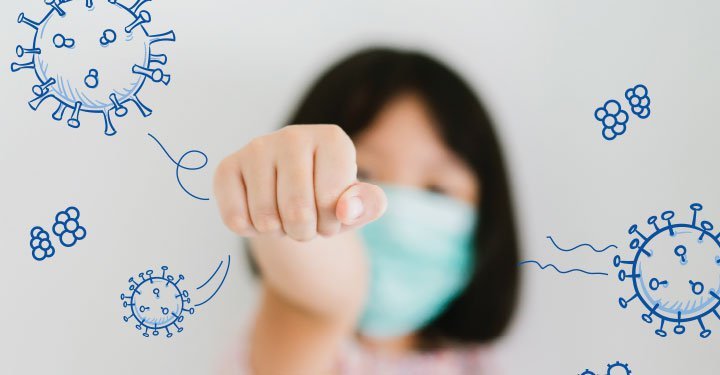
The word virus has gone past bacteria to become the big boss of microorganisms. Well, both cause infectious diseases, and that has made parents a worried lot. How can you tell if your child's illness is caused by a bacterial infection or a viral infection? Is there a difference in diagnosis and symptoms? Is one more dangerous than the other? What are the treatment options? Let's find out.
Quick Facts About Bacteria
Bacteria are single-celled microorganisms that can survive in different environments, including the human body, extreme heat and cold, and even radioactive waste. Some bacteria are airborne while others live in water, soil, plants, animals, and people. Some bacterial strains cause infections. However, most of these infections are harmless if addressed early and well.
Some bacteria are beneficial to the human body. These are called good bacteria, which help in the digestion of food and the absorption of vital nutrients. They also destroy disease-causing microbes and fight cancer cells.
How are bacterial infections transmitted?
Some bacterial infections are contagious and spread from person to person, while others are non-contagious.
Here's a list of ways contagious bacterial infections can spread:
- Close contact with a person who has a bacterial infection and contact with their body fluids
- Contact with contaminated surfaces
- Contact with infected animals and insects like fleas and ticks
- Consumption of contaminated food and water
Some common bacterial infections
- Strep throat
- Tuberculosis
- Pneumonia
- Urinary tract infections
- Cellulitis
- Gonorrhoea
- Tetanus
- Bacterial sinusitis
Quick Facts About Viruses
Viruses are microorganisms that are even smaller than bacteria. Unlike bacteria which can thrive in multiple environments, viruses require living hosts such as plants, animals, and humans to survive and multiply. When a virus enters the body, it invades the cells (especially cells in the liver, respiratory system, and blood) and uses its components to grow and multiply. Viruses cannot thrive or reproduce outside of a host body. However, they can survive outside the body for short periods, ranging from a few minutes to a few hours.
How are viral infections transmitted?
While most viral diseases are contagious and spread from person to person, some viral diseases are non-contagious and spread through infected insects or contaminated needles. Here's a list of common ways a viral infection can spread:
- Close contact with an infected person
- Breathing in the exhaled droplets when an infected person coughs or sneezes
- Bites of insects such as mosquitoes, flies, and ticks
- Through sexual contact or by sharing contaminated needles
- Transfusion of contaminated blood
- Consumption of contaminated food and water
- Touching contaminated surfaces such as taps, doorknobs, toilet handles
Some common viral infections
- Common cold
- Influenza
- Pneumonia
- Chickenpox
- Measles
- Human Immunodeficiency Virus Infection
- Viral hepatitis
- Zika Virus Disease
- West Nile Virus Disease
- Ebola Virus Disease
- COVID-19
- Dengue
- Chikungunya
Symptoms
The symptoms caused by a bacterium or a virus can be very similar. For example, symptoms like cough, runny nose, headache, and fatigue can occur with the common cold, which is caused by a virus. These symptoms can also occur with a bacterial sinus infection. Some ailments like meningitis, pneumonia, and diarrhea can be caused by both bacteria and viruses and can be found only upon diagnosis. The symptoms usually depend on the part of the body that the bacteria or virus has affected. Some of the common symptoms include:
- Fever
- Coughing and sneezing
- Runny nose
- Nausea and vomiting
- Inflammation
- Diarrhea
- Fatigue
- Yellow or green mucus
- Rashes
- Dehydration
- Pain, aches, or sore areas of the body
Diagnosis and Treatment
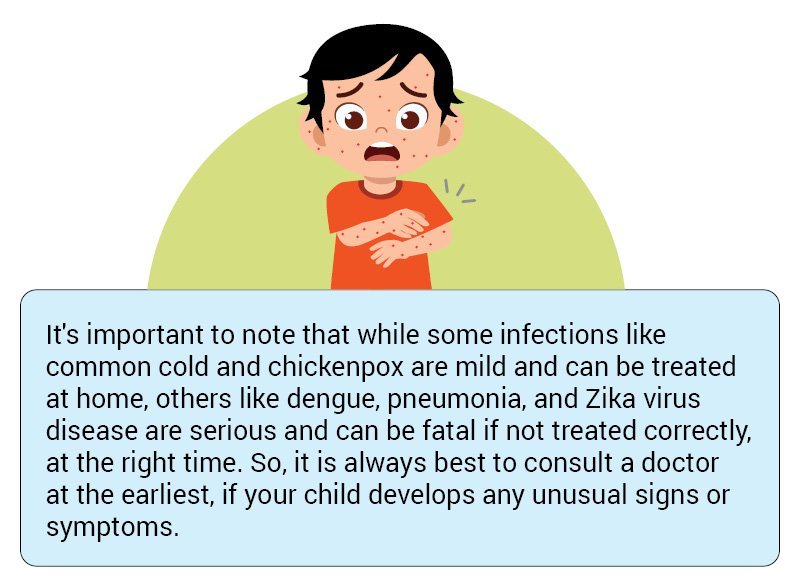
Bacterial and viral infections can be diagnosed based on symptoms and medical history. Some viral infections like measles and chickenpox have characteristic symptoms that can be diagnosed easily with a simple physical examination.
But for other infections, tests are conducted to help identify the disease-causing microorganism. These tests commonly include analysis of blood or urine samples to confirm a diagnosis, or a culture test to identify the bacteria or virus. In some cases, a biopsy of the affected tissue may be needed.
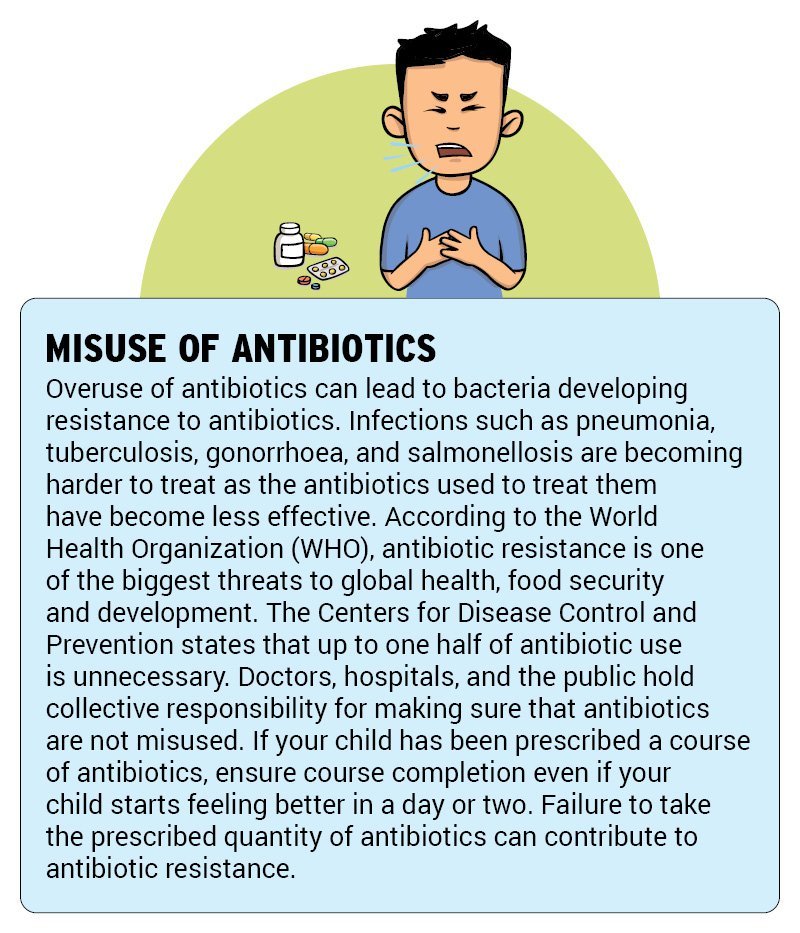
Bacterial infections are often treated with antibiotics. However, antibiotics are ineffective against viral infections. Sometimes antibiotics are prescribed in certain viral illnesses to prevent a secondary bacterial infection, which usually occurs when the immune system is compromised due to an existing illness. Viral infections are usually treated with drugs that provide symptomatic relief until the infection clears, though antiviral drugs are prescribed for certain viral diseases like herpes, Hepatitis B and C, influenza and HIV.
Bacteria and viruses may be invisible to the human eye, but they are all around us. When bacteria or viruses enter the human body, the immune system springs into action to fight against the infection. A healthy immune system is the best line of defense to protect the body against disease-causing microorganisms. So, make sure your child has a balanced diet, gets adequate sleep, and exercises regularly.
This article was reviewed by Dr Aditi Malpani (MBBS and DNB Medicine), chief physician at Sancheti Hospital, Pune.
























Comments
Edit
Comment Flag
Cancel Update