
How To Start Eating Salads Every Day For Better Family Health And Nutrition
Smitha Suresh
Eat a rainbow of vegetables every day in the form of salads—they look good, taste good, and are rich in antioxidants and vitamins. What’s not to love? Let's explore the benefits of eating salads
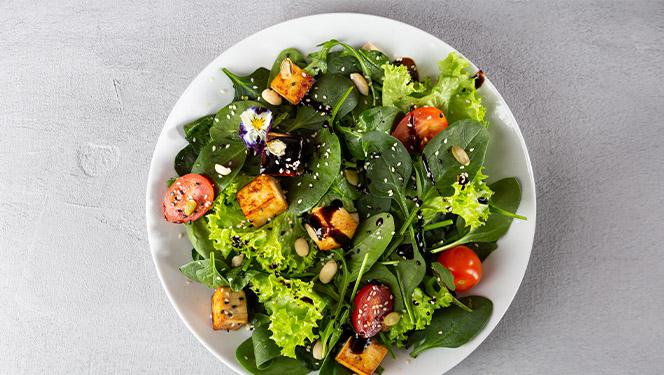
Close your eyes and visualize a sumptuous meal on your dinner table. What’s the most visually appealing item there? If you’re like me, the answer is always a BIG SALAD with all the colors of the rainbow (except maybe blue). What does that cool and fresh salad smell like? Does it have a citrusy, peppery scent? Do you get a good feeling in your gut just thinking about this refreshing salad? Now visualize your children’s faces when they see this salad. Do they have a smile of anticipation or a look of disdain? It’s a big “Hurray” from half the kids I know, including my 9-year-old. But if your kids are not too keen on munching on tomatoes, cucumbers, and cabbage, don’t worry. These tips will help you rustle up yummy salads that even they would want to eat!
Make salads a part of your everyday meals
A salad can be a part of your family’s daily meals, or it can be a meal in itself. Use seasonal produce to ensure you eat vegetables that are easily available and fresh.
Tips to get children to develop a liking for salads
- Serve salads at family mealtimes when the kids are young. When your kids see you eating salads, they will likely pick up the habit of eating these healthy foods too.
- Top salads with fruits to pump up the colors and flavors.
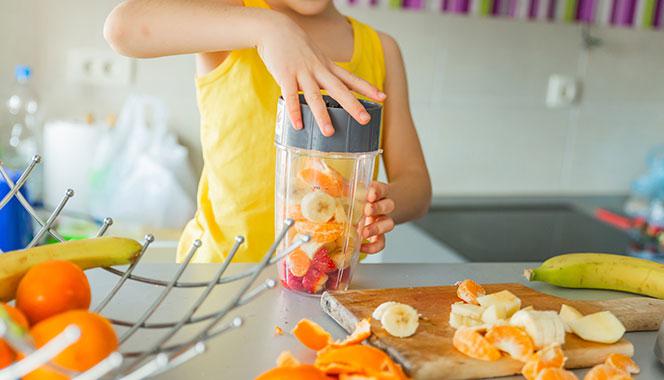
- Involve your kids while choosing and preparing the salad ingredients.
Guidelines for whipping up delicious salads
- Make and eat fresh produce as far as possible. If necessary, refrigerate the salad in an airtight container till the next meal at most. Remember, different vegetables (especially onions and greens) degrade at different rates.
- Wash vegetables thoroughly. If possible, soak them for a while beforehand in water to which tamarind/baking soda/vinegar/potassium permanganate solution has been added. This will remove the chemical residues from the vegetables.
- Chop only cleaned veggies. If you chop first and then wash, valuable nutrients will be lost.
- Salads are only as healthy as their ingredients. Choose high-quality ingredients, from organic veggies to pink salt and cold-pressed oils. Avoid processed additions like lemon juice concentrates, bottled dressings, ordinary soy sauce, and chemically processed herbs and spices.
- Don’t ruin the goodness of salads by adding deep-fried foods, sugar, or sweeteners!
- Fruits and veggies don’t mix well in the stomach. As fruits are digested much faster, skip them. However, you can add tomatoes, lemons, avocados, and amla (Indian gooseberry). Soon, you’ll realize that salads can be just as delicious without natural or artificial sugars.
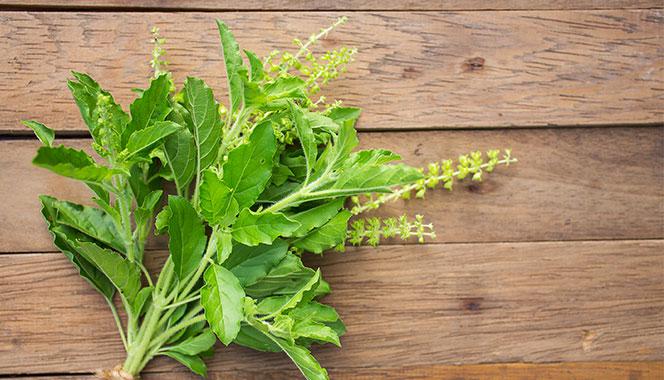
- Add fresh herbs like coriander (detoxifier), curry leaves (digestive), mint (immune system booster), and microgreens (antioxidants). Spices like ginger, carom seeds, fennel, and cumin seeds can take away the gas-producing properties of a salad.
- Make sure the salad looks presentable. With a little planning, your salad can have at least five colors of the rainbow, and it will provide a wide range of health-boosting phytochemicals. Hint: Think purple cabbage. You can even invest in pretty salad bowls and plates, as this will enhance the salad’s aesthetic appeal.
- Choose vegetables that agree with you. If you have an intolerance (bloating/gas) to certain veggies, leave them out or add them to the family bowl after taking out your portion.
- To prevent the salad from getting soggy, add watery veggies like tomatoes, cucumbers, and onions just before eating. A better approach is to combine all ingredients just before serving.
- Chilled foods slow down digestion, so eat salads at room temperature as far as possible, and if refrigerated beforehand, take out the salad half an hour before eating.
- Add fermented vegetables to salads to get a powerful dose of probiotics (beneficial bacteria in the gut).
Why You Shouldn’t Eat Only Salads Every Day For the record, eating salads alone for an extended period to produce weight loss is NOT a good idea. They don’t provide enough nutrients and don’t contain all the food groups in sufficient quantities. You’ll immediately regain the lost weight once you resume your normal eating pattern. You may also experience muscle loss and overall fatigue. |
How to turn a salad into a one-bowl balanced meal
Your salad should provide enough protein and fat. As your other meals may contain carbohydrates, you can avoid carbs when you’re having a salad as the main meal. If you wish to add carbs for an energy boost or texture, opt for cooked whole grains like millets, black or red rice, and quinoa.
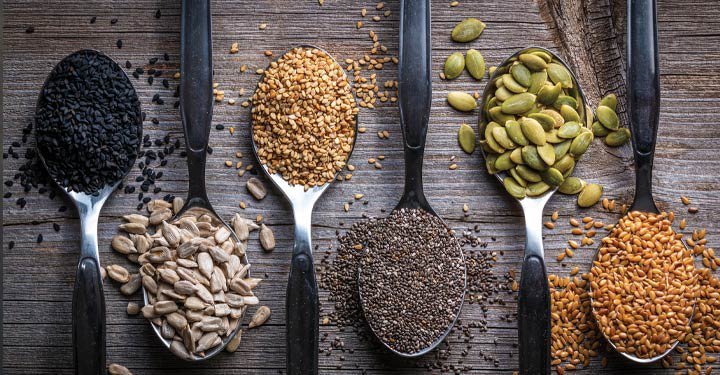
For protein, include nuts and seeds in your salad meal. Add sprouted or cooked legumes like chickpeas, mung beans, black-eyed peas, and rajma. Meat in a salad is okay if consumed right away. Eggs and meat deteriorate in a lunch or picnic container and may cause food poisoning. Roasted, boiled, and grilled lean meats are best for salads, but avoid them if you’re prone to gut problems. You can use organic yogurt and cheese if they suit your stomach. Try to avoid dairy in a salad that already has meat.
Oils like sesame, olive, avocado, and coconut are great flavor additions that also provide a medium for nutrient absorption, especially for the absorption of fat-soluble vitamins. Add an amount suitable for your family’s needs. Kids can have extra oil drizzled on their plates.
Benefits of eating salads
Studies have demonstrated that eating processed foods, fast foods, and sweets is associated with higher rates of depression and stress. The opposite was reported in individuals consuming more fruits and vegetables. Salad consumption has been scientifically associated with higher general nutrient intake levels in individuals, better emotional and mental health, and decreased risk of cancer, diabetes, heart disease, and other chronic illnesses.
These results may also be because regular salad-eaters take better care of their overall health by choosing nutrient-dense foods. More salad intake means less space in the stomach for refined, sugary, and greasy foods, not to mention reduced cravings.
Recipes
Yes, salad preparation requires work. So consider investing in a mandoline slicer, food processor, or chopper to ease the load. Teach your children to handle a knife and a grater safely and to cut all kinds of veggies under your supervision—this empowers them for life.
Let’s look at some quick and easy recipes.
1. Salad Recipe: Wholesome Buddha Bowl
Make a filling bowl of goodness with veggies, sprouts, chickpeas, and pearl millet (bajra).
Ingredients:
- 2 medium carrots, grated
- 1 large tomato, finely chopped
- 1 large onion, finely chopped
- 1 large cucumber, chopped (keep the skin if fresh)
- 1 cup of boiled chickpeas
- ½ cup of pearl millet (sprouted, then cooked with exactly double the quantity of water)
- ½ cup of coriander leaves, chopped
- ½ cup of mint leaves (pudina), finely chopped
- salt and pepper to taste
- ½ cup beetroot, grated (optional)
- ½ cup string beans, steamed and cut into 2-inch pieces (optional)
- ½ cup chopped lettuce (optional)
- ½ cup mung sprouts (optional)
- 2 tbsp extra-virgin olive, coconut, or sesame oil
- juice of 1 lemon
Method:
Mix all the ingredients in a bowl and serve immediately.
2. Recipe for Tahini Lemon Dressing
Liven up your favorite salads with this nutty, lemony dressing.
Ingredients:
- 50g white sesame seeds, roasted
- 2 tbsp extra-virgin olive, coconut, or sesame oil
- 1 or 2 garlic cloves
- juice of 1 small lemon
- salt and pepper to taste
- a few spoonfuls of water
Method:
Grind the roasted sesame seeds in a mixer. Grind again until you get a creamy paste.
Add the oil, garlic, lemon juice, salt, and pepper to the sesame paste and blend well. Add some water to loosen the mixture and mix well. Store in an airtight bottle in the fridge if not used immediately.
Last updated on: January 2, 2026




























Comments
Edit
Comment Flag
Cancel Update