
Why Do Kids Get Grey Hair? Causes, Effects And Essential Tips for Parents
Aruna Raghuram
While adults may take grey hair in their stride and accept it as a natural aging process, premature greying can be a traumatic experience for a child. Discover ways to support your child with confidence and care
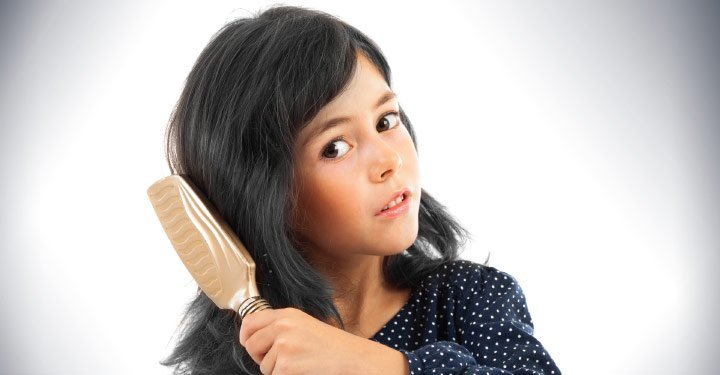
A happy extroverted child till a year ago, 9-year-old Nandini had become quiet and withdrawn over the past few months. Feeling self-conscious around others, she started avoiding her neighborhood friends. The reason was that her hair had started turning grey. Her classmates and friends teased her for being an old woman. Children asked her why she was still in school at an advanced age. These hurtful comments made her miserable, and being too young, she didn't know how to deal with them. It was certainly a rare condition, having grey hair at 9 years old. She constantly asked her parents why this had happened to her. Naturally, they were deeply concerned about her unhappiness.
Premature greying of hair can affect a child's emotional well-being and confidence. Like Nandini, a child who has grey hair may start avoiding people when teased by friends. Premature greying of hair, which could happen in young children or teenagers, is a matter of concern for two reasons. The first is that it could signal an underlying medical condition that requires attention. Secondly, premature greying can hurt the self-esteem of a child.
So, why do children get grey hair and what can parents do about it?
Causes
Melanin is a natural pigment made by skin cells called melanocytes, which are present in hair follicles. This pigment is responsible for the color of our hair, eyes, and skin. Hair turns grey when the melanocytes start working less and the melanin quantity gets reduced. This usually happens with age.
Premature greying of hair could be because of one factor or a combination of factors given below:
- Genetics: Genes are the primary factor for premature greying of hair, as they determine the amount of melanin made by the body. That's why premature greying of hair runs in families. If parents had grey hair at a young age, their children are at risk of having the same condition.
- Deficiency of nutrients: A 2016 study published in the International Journal of Trichology shows a link between a deficiency in vitamin B12, vitamin D3, and calcium and the premature greying of hair. Vitamin B12 deficiency is more common among vegetarians. Iron deficiency can also cause greying of hair in children. Other causes include protein loss due to certain diseases and a deficiency in vitamin B3 and minerals like copper.
- Medical conditions: Premature greying of hair could be a result of certain underlying medical conditions such as an underactive or overactive thyroid (thyroid hormones have a role in regulating the production of melanin), vitiligo (characterized by white patches on the skin and greying of hair), Werner syndrome (a genetic condition associated with premature aging), or neurofibromatosis (when tumors grow along the nerves).
- Stress: Scientists are not sure whether there's a direct link between stress and premature greying of hair. A 2011 study indicated that fight or flight response to stress on a prolonged basis could damage DNA and cause premature greying. However, it hasn't been confirmed that stress could be a primary cause of greying of hair. Nevertheless, it's accepted that if a child is vulnerable to premature greying of hair due to hereditary factors or nutritional deficiencies, excessive stress can aggravate the condition.
- Exposure to harsh chemicals: Using hair products like shampoos and dyes that have harsh chemicals in them may cause premature greying of hair.
Dr Sushil Tahiliani, consultant dermatologist at Hinduja Hospital in Mumbai, says heredity is the most common cause of premature greying in children.
"Greying can start as early as adolescence. Emotional stress, environmental pollution, chronic diseases (conditions that require ongoing medical attention), and ultraviolet light exposure may play a role in the greying of hair. In rare cases, greying could be a part of premature aging syndromes. It may also happen as a side effect of certain medicines like chloroquine, which is primarily used to prevent and treat malaria," he says.
According to Dr Tahiliani, greying is considered premature if it occurs before age 25 in brown-skinned races. It's quite common and though there's no statistical data available, he believes about 20% of the global urban population might be affected. In some rare cases, greying can start before the age of 10. Premature greying is equally prevalent among boys and girls.
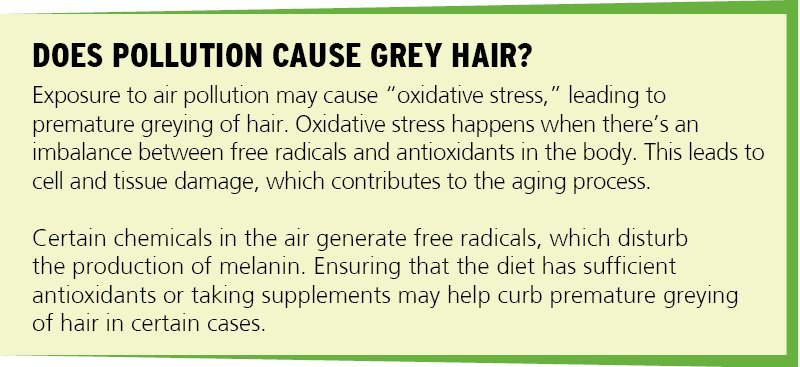
Using hair products like shampoos and dyes that have harsh chemicals in them may cause premature greying of hair.
Treatment
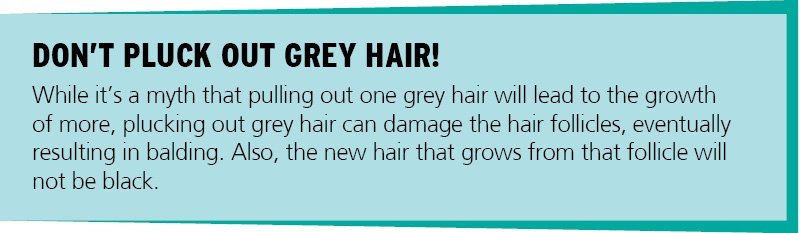
Can premature greying of hair in children be treated? If there's an underlying cause like a medical condition or nutritional deficiency, addressing that cause will help curb the problem. It's best to contact a doctor, who will investigate the cause.
Says Dr Tahiliani, "In cases where it's due to autoimmune conditions like pernicious anemia (a decrease in red blood cells when the body can't absorb enough vitamin B12), hyper/hypothyroidism (that is when the thyroid gland becomes overactive or underperforms) or severe protein/copper/zinc/iron deficiency, correction of these conditions may reverse greying. In most other cases, it's not possible to reverse greying. Choosing a wholesome diet with adequate amounts of antioxidants, minimizing stress, and controlling one's exposure to pollutants can be a part of a holistic approach to prevent further greying."
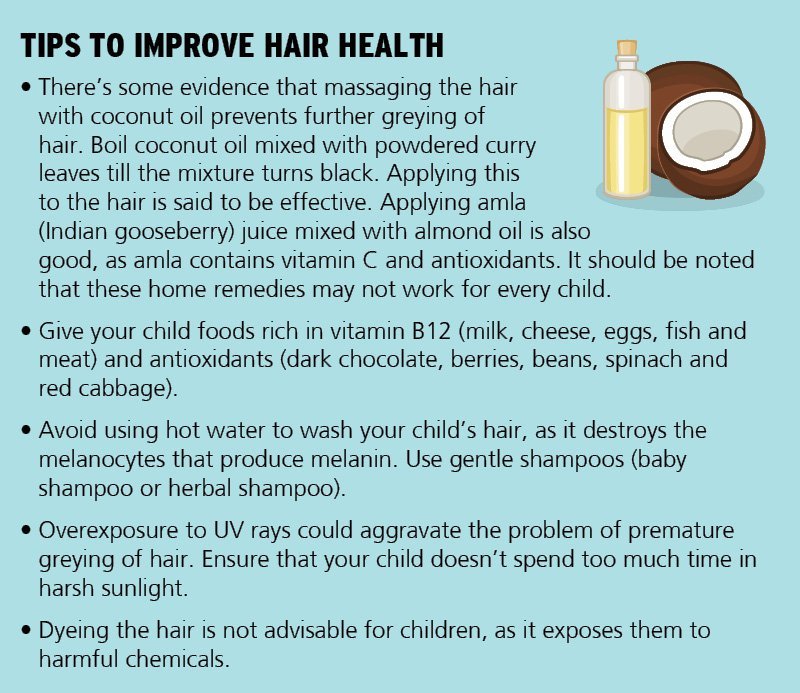
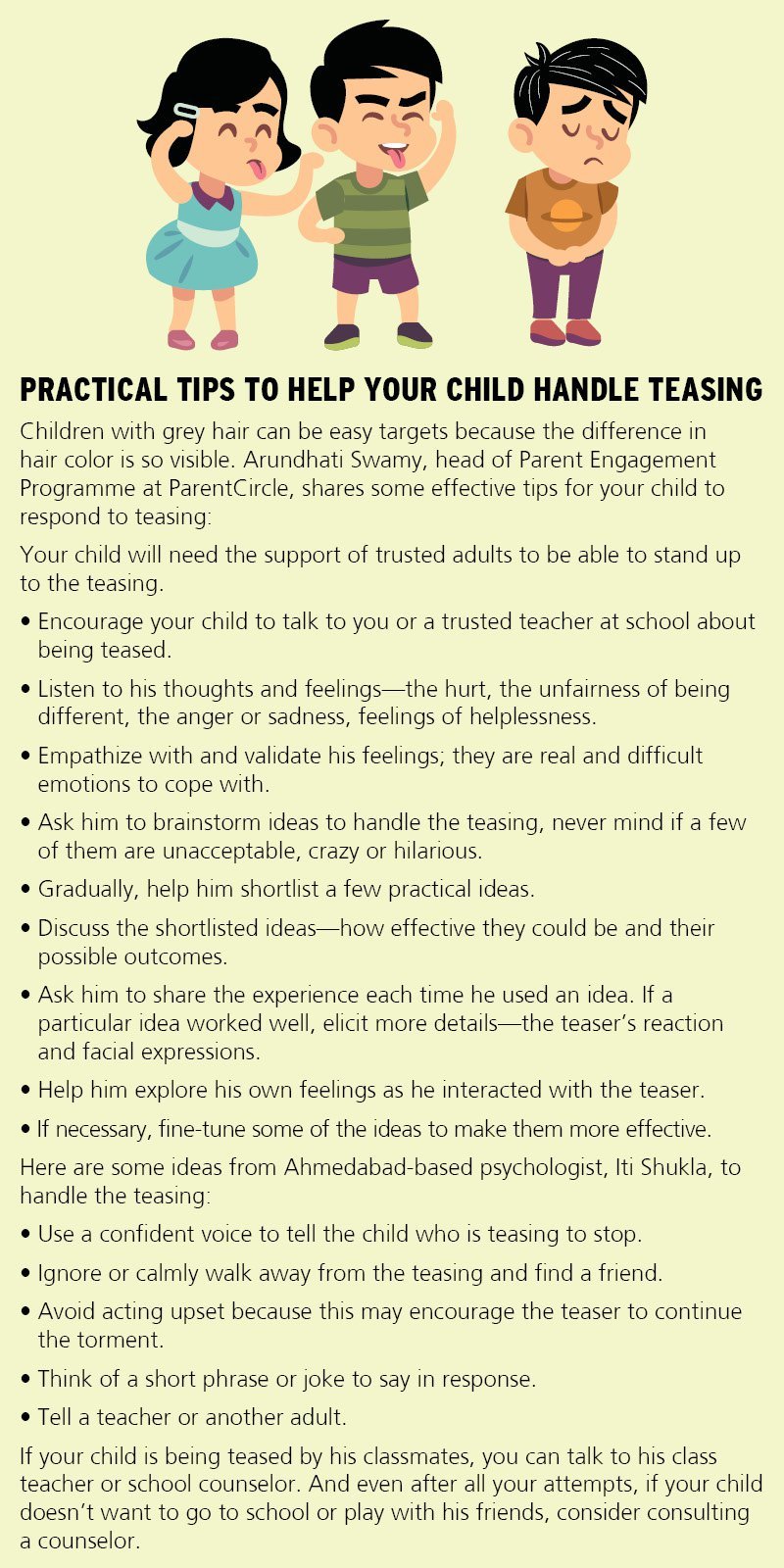
As premature greying of hair can be very distressing for your child, get the problem medically investigated as early as possible, and don't forget to give your child unconditional love.


























Comments
Edit
Comment Flag
Cancel Update