
Exploring The Magic Of Herbs: From Coriander And Mint To Lemongrass And Tulsi
Subhechha Chatterjee
Discover the wonders of everyday herbs and how to use them in your daily life to nourish your child or elevate any dish.
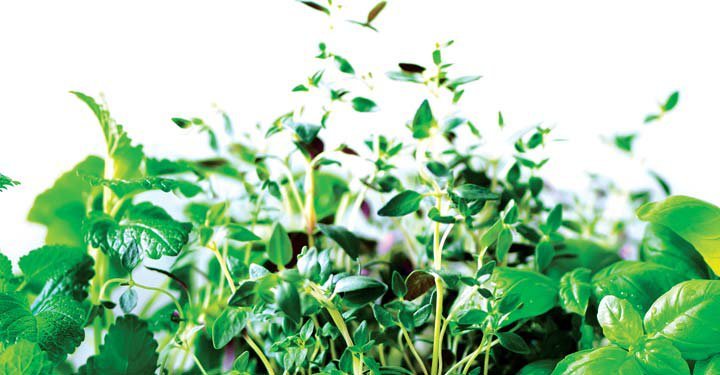
We dive into a variety of herbs, from coriander and mint to lemongrass and tulsi, covering them all. And since children often shy away from herbs, we've included creative ways to sneak the green goodness into their meals.
Coriander
Coriander is one of the most popular kitchen herbs in our country. Chopped coriander leaves have a fresh aroma and taste, and impart an earthy flavor to food.
Benefits:
- Promotes overall health, as it contains essential vitamins (e.g., A, C, and E) and minerals (e.g., zinc, magnesium, calcium, phosphorus and iron).
- Helps prevent arthritis thanks to its anti-inflammatory properties.
- Keeps infections at bay as it has antibacterial properties and is rich in antioxidants.
- Improves digestion, enhances liver function, and lowers the risk of cancer.
Easy ways to consume:
- Use coriander leaves to garnish and flavor soups, salads, and curries.
- You can make some coriander chutney and use it as a sandwich spread.
- Add coriander paste to paneer dishes for a rejuvenating green color and great taste.
- Add minced coriander leaves to buttermilk or raita. Your child will love the refreshing taste on a warm day!
Tulsi
Tulsi or holy basil, an aromatic herb with immense healing properties, is an oft-recommended medicine in Ayurveda.
Benefits:
- Helps cure flu, chest congestion, and respiratory disorders thanks to its anti-inflammatory properties.
- Reduces uric acid levels and improves kidney health.
- Fights off infections, as it is rich in antioxidants.
- Aids in reducing bloating and gas.
- Helps prevent skin, mouth, lung, and liver cancers.
Easy ways to consume:
- Tulsi leaves can be eaten raw. To make it palatable for younger children, add ginger juice and honey to the crushed leaves.
- Drink tulsi tea to get your daily dose of antioxidants.
- You can also make a powder of dried tulsi leaves and add it to your child's glass of milk.
- The next time you make a pesto sauce for pizzas or pasta, make it more tasty and nutritious by adding a few tulsi leaves to it.
Mint
Can you imagine a mojito mocktail without mint? Neither can we! No wonder this versatile herb, with its sweet flavor and cool aftertaste, has become a firm favorite in our kitchens.
Benefits:
- Helps reduce bad breath and reduces chest congestion.
- Reduces irritable bowel syndrome (IBS) thanks to the presence of methanol, which is anti-inflammatory.
- Helps in preventing and treating certain allergies.
- Helps lower the risk of the growth of tumour cells.
- Promotes good eyesight, as it is rich in vitamin A.
- Reduces irritable bowel syndrome (IBS) thanks to the presence of methanol, which is anti-inflammatory.
- Helps in preventing and treating certain allergies.
- Lowers the risk of the growth of tumor cells.
- Promotes good eyesight, as it is rich in vitamin A.
Easy ways to consume:
- Make a lemon mojito for your child with lemon juice, mint leaves, palm sugar, and crushed ice.
- Add a few mint leaves to a glass of honey, lemon juice, orange juice, or buttermilk. Your child will love the energizing taste of mint!
- Tired of the usual tomato ketchup? Make a chutney of mint, coriander, lemon juice, and a few pods of garlic. Use this chutney as a sandwich spread or even as a dip. Your little one will beam with joy at this refreshing change!
Drumstick Leaves
Drumstick, also called moringa or miracle tree, is an intrinsic part of Indian cuisine. Drumstick pods are mainly added to curries, while the bitter-sweet leaves are cooked like spinach.
Benefits:
- Promotes overall health, as they are rich in vitamin C and minerals.
- Builds muscle strength, thanks to the presence of amino acids.
- Energizes the body, and boosts memory and cognitive function.
- Keeps infections at bay, as they have antimicrobial properties.
Easy ways to consume:
- Drink moringa juice early in the morning. To make a tasty version for your little one, add a spoon of honey or jaggery to it.
- Add moringa leaf powder to tea, smoothies, raitas, soups, or salads.
- Make a simple but delicious moringa leaf stir-fry with grated coconut, channa dal, and mustard paste.
Curry Leaves
A commonly used herb in South Indian cuisine, curry leaves have a distinct aroma and flavor. The leaves have been used for their medicinal value since ancient times.
Benefits:
- Cures digestive problems, such as diarrhea and gastritis.
- Keeps infections at bay because of their antioxidant and antimicrobial properties.
- Improves eyesight, as they are rich in vitamin A.
- Regulates blood glucose levels by ensuring the proper utilization of insulin.
- Improves heart health by increasing the level of high-density lipoprotein (HDL), or good cholesterol, and reducing the level of low-density lipoprotein (LDL), or bad cholesterol.
Easy ways to consume:
- Temper your dals, fries, and curries with curry leaves, mustard seeds and ghee, and see how your little one polishes off the meals with glee.
- Add fresh curry leaves to raitas and buttermilk.
- A chutney made with curry leaves can be a tasty sandwich spread. It also works as a delicious dip for fries and cutlets!
Neem
For over 5,000 years, the flowers, leaves, and bark of the neem tree have been used as medicines to fight off infections and prevent common diseases.
Benefits:
- Keeps bacterial, fungal and viral infections at bay, as it is an excellent antimicrobial agent.
- Helps manage pain and keeps dental infections at bay.
- Reduces fever and fights inflammation.
- Helps treat digestive problems.
Easy ways to consume:
- The bitter taste of neem makes it unpopular among children and even adults. To reduce the bitterness of neem leaves, roast them lightly and add some roasted brinjal or grated coconut to the leaves.
- You can also add jaggery and lemon juice to neem chutney to make it palatable to little taste buds.
A word of caution
Neem is generally safe. However, consumed in large doses, it can cause kidney and liver disorders. Also, avoid eating neem in any form before and after surgery, as it is known to reduce blood sugar levels.
Lemongrass
If you love the flavors of Thai soups and curries, then we'll let you in on a little secret. Lemongrass is the magic ingredient! A culinary and medicinal herb, it adds that lemony zing to your favorite foods.
Benefits:
- Strengthens the immune system and lowers the risk of cancer.
- Improves nutrient absorption in the body.
- Helps fight infections of the digestive system, as it has antimicrobial properties.
- Lowers the risk of liver and kidney disorders.
Easy ways to consume:
- Add freshly chopped lemongrass to soups, fried rice, stir-fries, noodles, and curries.
- A cup of flavourful lemongrass tea will give you a fresh burst of energy.
- If your child loves a hearty soup, sprinkle some freshly chopped lemongrass on it to make it tastier. Your little one will want a second helping!
Remember: Herbs should be consumed in moderation because some of them can cause allergies. Also, it's better to buy fresh herbs instead of the pre-packaged ones. Eat these green superfoods, and stay fit and energized!





























Comments
Edit
Comment Flag
Cancel Update