
Healthy Eating Habits For Children: 10 Simple Nutrition Tips Every Parent Should Know
Luke Coutinho
Helping children eat well can start with small, simple changes. These 10 tips offer practical healthy eating tips for parents. Learn how to introduce nutritious foods to children without pressure. From balanced meals to better snack choices, discover easy ways to build healthy eating habits that children can enjoy every day

When it comes to food, little ones are often the most difficult to please. Place a bowl of healthy oats mixed with fruit, and they will reject it. Offer them a burger or pizza and watch them gobble it with glee. Exasperating, isn't it?
Some children fret over food choices and are picky eaters. Children, especially during their growing years, need a varied, balanced diet to support healthy growth and development.
Today, newspapers, social media, and other similar channels flood you with tons of information regarding new diets and nutrition facts for growing children. While these are explanatory, too many details can lead to further confusion.
Why nutrition matters during your child’s growing years
Stick to the basics, especially when it comes to nutrition. Foods rich in vitamins, proteins, calcium, and iron are essential during the growing years. Children need a varied diet that provides adequate protein, vitamins, and minerals, including iron and calcium, to support healthy growth and development.
In many cases, a deficiency in these vital nutrients can adversely impact children's mental and motor skills development. Hence, parents must ensure their children have a balanced diet.
Make healthy food friendly and familiar
Most children find it easy to befriend new people or learn a new habit. Try to adopt the same approach with nutritious food. Great, healthy food need not be boring at all. The trick is to stick to established healthy eating habits. Children learn most from what their parents do. So, good, healthy living begins at home!
10 simple ways to build healthy eating habits
Create a healthy living atmosphere in your home. And encourage your growing children to embrace it.
1. Choose nutritious sources of carbohydrates
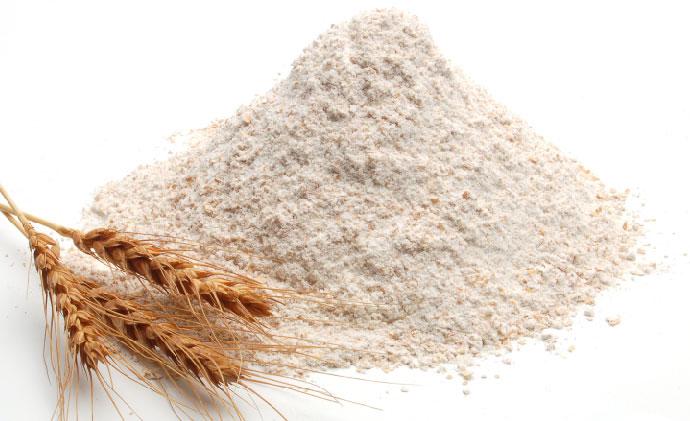
Choose more whole and minimally processed carbohydrate foods where possible. Whole grains, oats, millets, brown or hand-pounded rice and other whole-grain foods can be part of a varied diet.
2. Include a variety of nutrient-rich foods
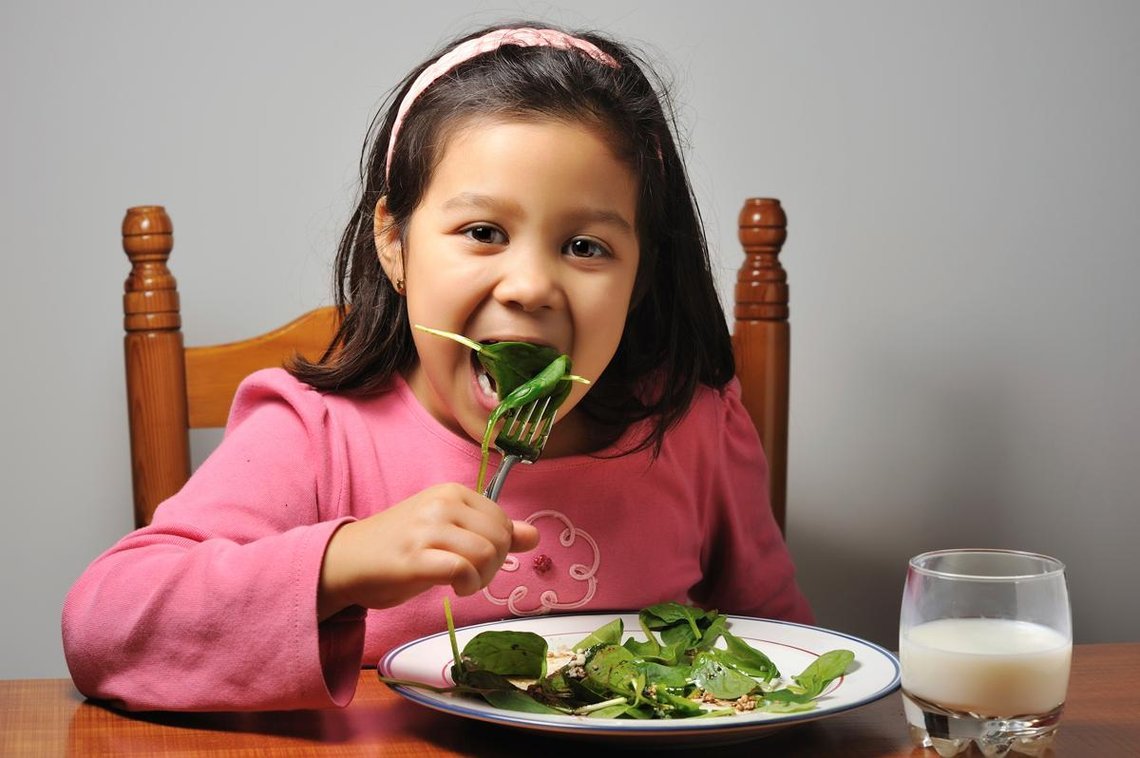
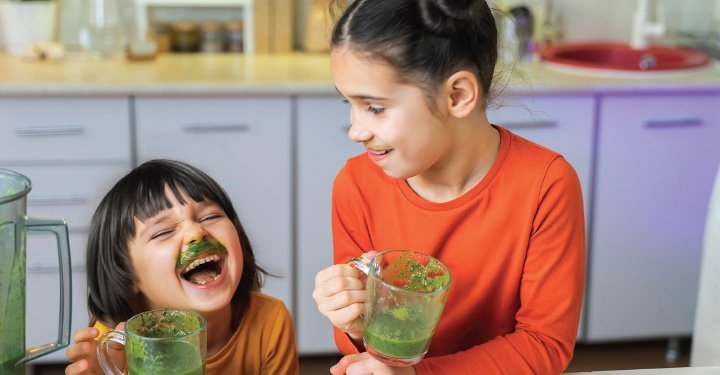
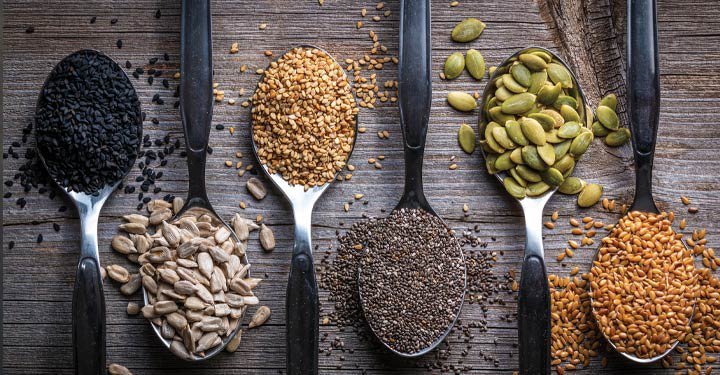
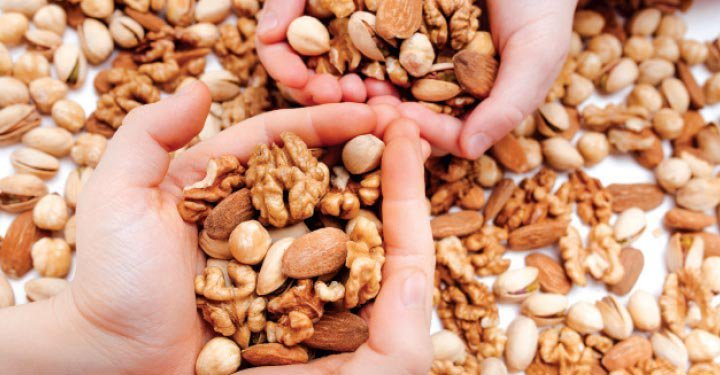
Include foods such as spinach and chickpeas, along with a variety of vegetables, fruits, pulses, whole grains, nuts and seeds, and, if part of your family's diet, appropriate animal-source foods.
3. Be patient when introducing new foods
Children tend to take time to adjust to new foods. So, start by getting them accustomed to new colours, shapes, and textures.
Repeated exposure can gradually help them become more familiar with a new food and its taste.
4. Make healthy food appealing
Diced fruit in some yoghurt with flavourful seasoning, oats with nuts and berries, carrot and cucumber sticks with dips for snacks...who said healthy snacking needs to be boring?
5. Establish regular meal and snack times
Offer regular meals and planned snacks rather than allowing children to graze throughout the day. The exact number of meals and snacks can vary depending on your child's age, appetite, and routine. Ensure they drink water regularly, especially between meals and when thirsty or active.
6. Be a healthy-eating role model
What you do, children follow. Hence, the onus is on parents to develop a healthy lifestyle! Eat well, spend quality family time eating nutritious meals together, and see your children imbibe the same habits.
7. Introduce nutritious foods without pressure
Nobody likes being ordered around, and children tend to resist things forced upon them. While you must ensure that they eat healthy food, introduce nutrition-dense foods gradually. Give them some time to develop an affinity towards these foods. You could talk about how these foods help their bodies grow, play, and stay active.
8. Reduce distractions during meals
This one is the hardest of them all! It is hard for parents to get their children to eat without their electronic companions, let alone a whole meal! Helping your child focus on their meal can make mealtimes more enjoyable and help them pay attention to their hunger and fullness cues.
9. Involve children in food preparation
A great way to get your children to eat healthily is to involve them in food preparation. They're more likely to enjoy what they eat.
Take them grocery shopping; let them choose fruits and veggies; participate in age-appropriate ways, such as washing vegetables, mixing ingredients, choosing between two healthy options, or helping set the table. The secret is to learn and grow together with your children. After all, healthy eating is all about happy, healthy living.
10. Avoid using sweets as rewards
Giving your child 'chocolate rewards' often sends the message that dessert is the tastiest course of the meal. So, avoid using sweet treats like biscuits, cakes, chocolate, and candies to get them to finish their meals. Instead, appreciate your child's effort and cooperation. Then you won't need to make sweets the reward.
Parent checklist: Building healthy eating habits
- Offer a variety of nutritious foods.
- Introduce unfamiliar foods patiently and without pressure.
- Keep regular meal and snack times.
- Limit distractions during meals.
- Let children participate in age-appropriate food preparation.
- Eat healthy foods together as a family.
- Model the eating habits you want your child to develop.
- Avoid using sweets as rewards or punishments.
- Pay attention to your child's hunger and fullness cues.
- Seek professional advice if you have concerns about your child's growth, eating, or nutrition.
Healthy eating starts with small steps
Helping children develop healthy eating habits is not about trying to make every meal perfect. Focus on offering nutritious choices, introducing new foods patiently, involving your child in food preparation, and letting them see you enjoy healthy eating too.
With consistency, encouragement, and a little creativity, healthy food can become a natural part of your child’s everyday life. After all, good nutrition is not just about what children eat today. It's about helping them build healthy habits for life.
Luke Coutinho is an Integrative Lifestyle Medicine Practitioner and a champion of the Government of India’s Fit India Movement. He specializes in foundational nutrition and holistic habits to support childhood development and lifelong family wellness.
Need more information? Trusted resources:
- National Institute of Nutrition (NIN), ICMR — Dietary Guidelines for Indians
- World Health Organization (WHO) — Healthy Diet Guidance
Last updated on: March 10, 2026
The Dot health and safety program for pre-primary children places strong emphasis on good nutrition and making wise food choices. We educate children on the importance of a balanced diet and provide guidance on selecting healthy foods, thus laying the groundwork for lifelong nutritious eating habits.

























Comments
Edit
Comment Flag
Cancel Update