
Healthy Food Chart For Kids Aged 1–5: A Balanced Diet And Nutrition Guide
Neha Pandit Tembe
Feeding young children can feel tricky, but knowing what to serve makes life easier. This healthy food chart for 1–5-year-old kids gives you balanced diet ideas to help your child grow strong, energetic, and healthy

The food your child eats in the early years shapes their health for life. These are the years when eating habits take root, so what, how, and how much you serve really matter. A balanced, nutritious diet now helps your little one grow strong, active, and happy.
Why a healthy food chart matters for 1–5-Year-Old kids
After your child turns one, their growth slows down a little, but good nutrition is still very important. Poor eating habits can affect their learning, movement, and overall health, and may even lead to problems like constipation or low iron. Creating a simple, balanced food chart helps make sure your little one gets all the nutrients they need to grow strong, active, and healthy.
The ICMR suggests food-group-wise daily portions as per age. This is a guideline for all parents, though individual discretion is a must.
1. Cereals and millets
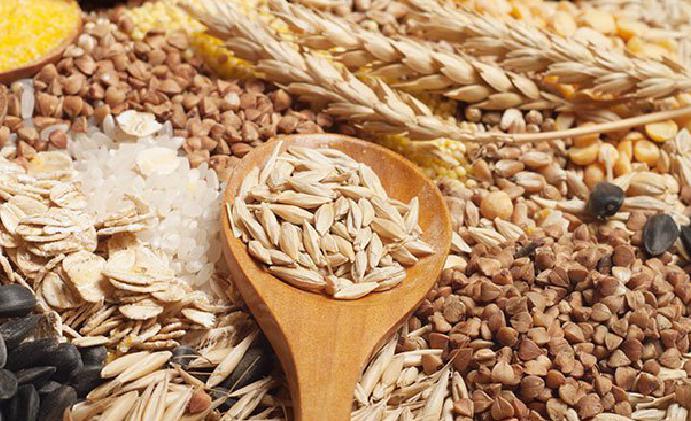
They provide energy, fiber (if non-refined), and B complex vitamins.
Include as per age: All grains and millets like wheat, rice, jowar, bajra, ragi, oats, quinoa, and their products like rawa, poha, daliya, etc.
What to limit: Wheat breads
What to avoid: White bread, pav, instant noodles, sugar-laden breakfast cereals and biscuits, or anything made with maida (refined flour).
2. Pulses, meat, fish, eggs, and other non-dairy sources of protein

These provide your child with protein and minerals such as iron and zinc. Vegetarian proteins also contain fiber, B vitamins. Eggs are a convenient and versatile alternative to meat. Try to include one from the above list in your daily meal plan.
Include as per age: Well-cooked eggs, beans, pulses, chicken, lamb, in different forms. Include oily fish (baked, not fried) like tuna, salmon, or mackerel once or twice a week.
What to limit: It is a good idea to limit soybeans until other beans are introduced and accepted by your child.
What to avoid: Raw/undercooked meat/ beans/ eggs and processed meats or chicken products like nuggets, patties, etc (high sodium, preservatives, fats).
3. Milk and dairy foods
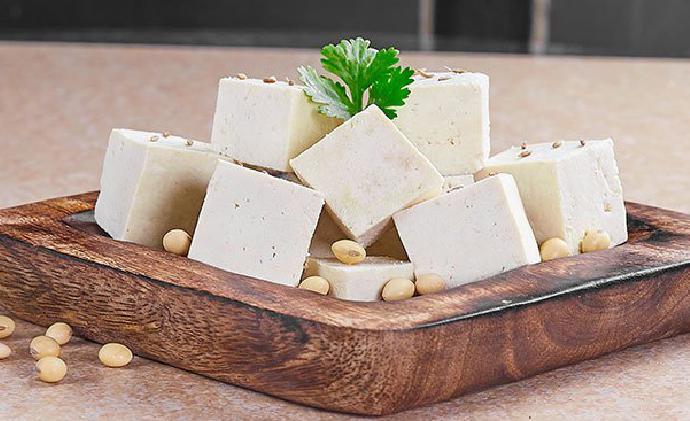
As dependence on breast milk reduces, it's important to provide milk and its products from other sources as they contain bioavailable calcium, Vit A, D, proteins, and healthy fats.
Include as per age: Buffalo/cow milk, curd, homemade paneer, and preparations using these items.
What to limit: Ready-to-eat yogurts, processed cheese, and cream.
What to avoid: skimmed milk/zero-fat milk, sugar-laden and artificial flavored milk drinks and yogurts.
4. Fruits and vegetables
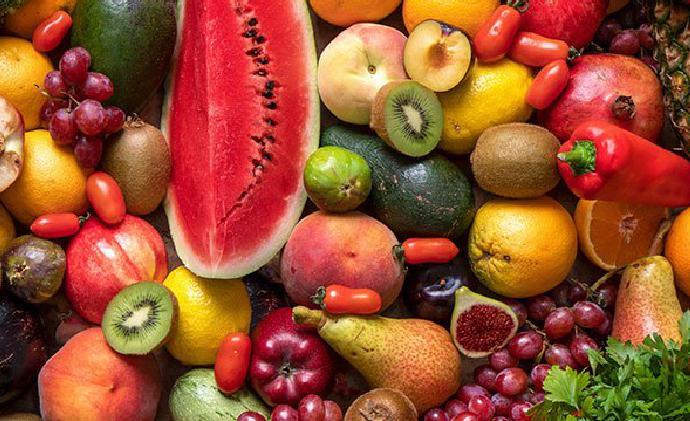
Healthy Food Groups and Portion Sizes for Young Children
All fruits and vegetables provide vitamins and minerals along with fibre. Certain vegetables contain certain nutrients:
- Dark green, leafy vegetables are a good source of iron, calcium
- Bananas and oranges are a good source of potassium
- Some root vegetables are a good source of selenium
Thus, a variety of vegetables and fruits is a must. Fruits are preferred raw, along with the skins, but occasionally, cooked fruits are okay.
Roots and tubers, green leafy vegetables, and other vegetables
Include as per age: All vegetables, especially seasonal ones, must be added to your child's diet as curry, sautéed vegetables, in wraps, sandwiches, with rice, as salad sticks, soups, and any other traditional family ways they are made.
What to limit: Homemade French fries(oven/grill), frozen/ tinned veggies.
What to avoid: Potato chips and vegetables cooked in fried form, frozen instant vegetable snacks.
Fruits
Include as per age: All seasonal fruits in fresh ripe form. They can be added to kheer, porridge, homemade ice creams, ice lollies, and popsicles.
What to limit: Frozen and dehydrated fruits (may contain sugar, sodium)
What to limit: Juice (even 100% fruit juice), jams, jellies, and fruit syrups. Fruit flavors in processed foods do not add up to daily servings.
Fats and sugars

Though children need more healthy fats than adults, they are consuming a little too due to over-dependence on processed, junk, and convenience foods. Junk food, together with a high intake of sugary foods and drinks, is a leading cause of childhood obesity and, in turn, increases the risk for non-communicable diseases during adulthood.
Include as per age: Ghee, butter (no sodium), vegetable oils, natural sweeteners.
What to limit: Jaggery, honey
What to avoid: Transfats, hydrogenated fat-based chocolates, biscuits, and refined sugars. Juice with sugar, fizzy drinks, sauces, and other processed foods must also be avoided.
Tips to make mealtimes fun and encourage healthy eating habits
- Offer a variety of textures, flavors, and colors in foods from all the food groups repeatedly, as your child may take time to accept and enjoy new foods. Try serving a new food along with a favorite food.
- Do not force-feed or overestimate portion sizes. A child's hunger and satiety signals are very active. Many children go through a fussy eating phase, but you need not worry if their growth is normal and they're active and responsive! Children must be allowed to choose the portion size.
- The capacity of a child's stomach is small. So, frequent eating in the form of healthy snacking is essential. Do not give snacks or fluids just before meals.
- Water and plain milk are the best drinks for children. But too much milk can reduce iron absorption, so remember to give no more than 3 servings of milk (or dairy foods) daily. Tea and coffee also reduce iron absorption.
- Do not add sugar and salt to basic foods like milk, curd, buttermilk, porridges, just because you think the child wants it that way.
- Do not have the TV/laptop/iPad/mobile around for mealtime as there is too much distraction and influence.
- Children copy their elders, so set ideal examples about healthy food habits yourself and sit together to enjoy food!
To sum it all up, make mealtimes an enjoyable experience for everyone, not wartime. Consult a qualified nutritionist/dietitian if you must!
Last updated on: August 1, 2025
Have insights, questions, or tips to share? Join the discussion on nutrition here.





























Comments
Edit
Comment Flag
Cancel Update