
10 Immunity-Boosting Dried Fruits And Nuts Every Child Should Eat Daily
Shirley Johanna
Dried fruits and nuts are packed with essential nutrients and offer numerous health benefits for kids. Explore the top 10 dried fruits for babies and toddlers and how they support their well-being
- 114.9K
- 4
- 1
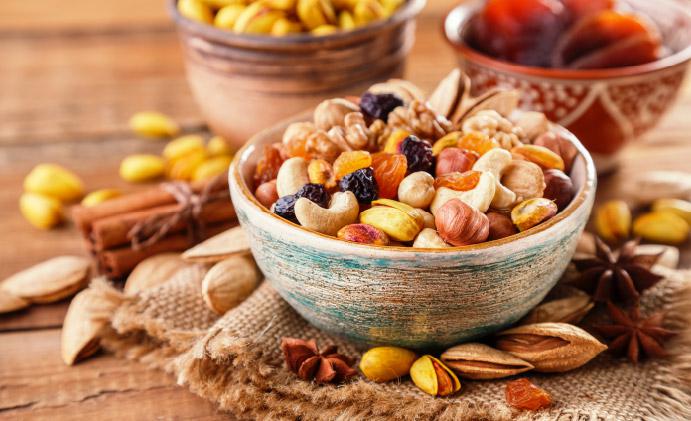
Dried fruits and nuts are called the powerhouse of nutrition, as they are packed with essential vitamins, minerals, healthy fats, antioxidants, and dietary fibre. When incorporated into your child's diet, they can play a vital role in boosting immunity.
How are dried fruits made?
Dried fruits are either dried naturally in the sun or using processing machines. Some of the commonly eaten dried fruits are raisins, dates, figs, apricots, prunes, kiwi, papaya, and sweet lime.
Nuts are fruits with a hard shell and seeds that are edible. Almonds, walnuts, pistachios, cashew nuts, pecans, hazelnuts, Brazil nuts, chestnuts, and macadamia nuts are some of the popular ones.
When and how to introduce dried fruits and nuts to children?
Dried fruits and nuts can be introduced into your child's diet when she is around 7 to 9 months of age. However, it should be done in the form of paste or powder to avoid any choking hazards. Dried fruits like dates, prunes and apricots can be cut into smaller pieces before being given as snacks for toddlers. Children can be given whole dried fruits and nuts after the age of five years. However, it is still advisable to keep an eye on them to make sure they chew them well.
For children older than five, these make a quick and healthy snack option. Raw, dry-roasted, and unsalted nuts are the healthiest, and it is best to avoid nuts and dried fruits with added salt or sugar.
Also, when you introduce nuts to your child's diet, you will need to consider the possibilities of allergens that your child may react to. So keep a lookout for that and consult your doctor should you have any concerns.
Other ways to add dried fruits and nuts to your child's diet
- Sprinkle crushed almonds or pecans over a cup of low-fat yogurt
- Add chopped walnuts to homemade banana bread
- Add dried fruits to porridges or puddings
- Stir a tablespoon of nut butter (almond or cashew butter) into pancakes or muffin batter
Top 10 dried fruits and nuts to boost immunity in kids
Getting your child to eat healthily is extremely important for his overall growth and development. Dried fruits and nuts are highly rich in nutrients and come with a host of health benefits for your child.
Wondering which nuts and dry fruits are good for the health of children? Here's a list of the top 10 dried fruits and nuts and their respective health benefits.
1. Almonds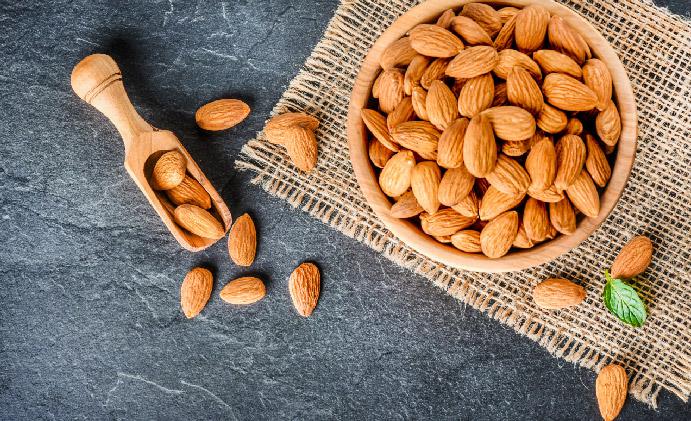
Almonds are rich in phosphorus, which helps strengthen both bones and teeth. Almonds contain riboflavin and L-carnitine, two key nutrients that can support healthy brain function. Further, they are rich in dietary fibre that curbs overeating and unhealthy snacking.
Nutritional value of almonds (1 serving, 2-3 almonds)
|
2. Walnuts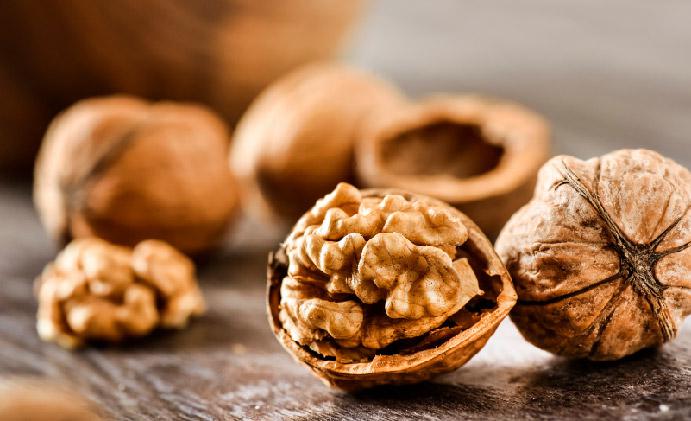
Walnuts are a good source of omega-3 fatty acids which play a crucial role in your child's brain development. They are also high in minerals such as calcium, iron, magnesium, phosphorous, potassium and zinc.
Nutritional value of walnuts (1 serving, 7 walnuts)
|
3. Pistachios or pistas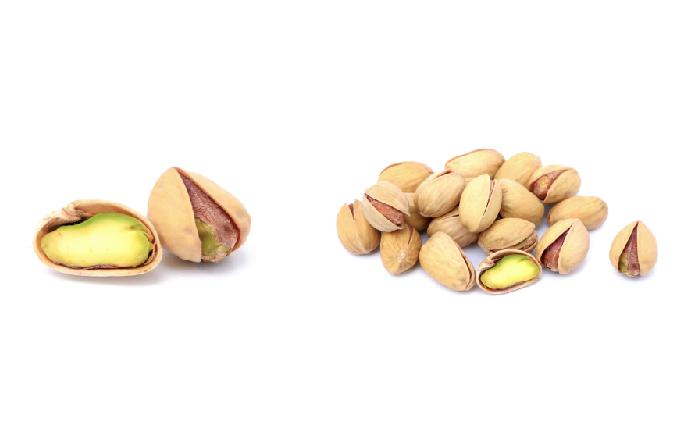
Pistachios are a good source of essential vitamins such as vitamin A, C, E, thiamine, riboflavin, niacin, pantothenic acid, pyridoxine and folate. Each of these vitamins are essential and play an important role in maintaining your child's health.
Nutritional value of pistas (1 serving, 1-2 handfuls)
|
4. Cashew nuts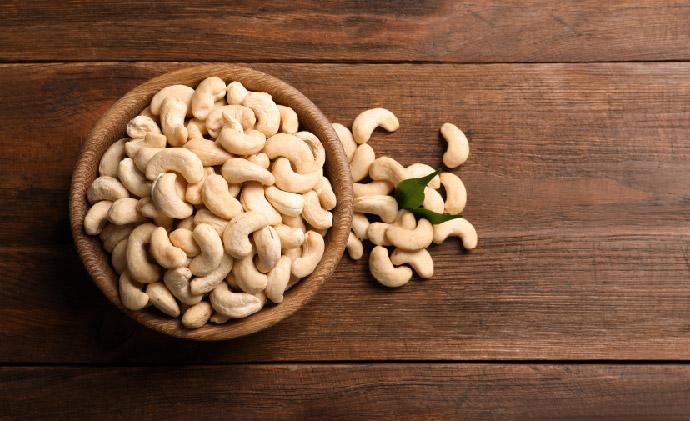
This buttery nut contains high levels of antioxidants like lutein and zeaxanthin, which protect the eyes. They also contain high levels of magnesium that contribute to bone growth.
Nutritional value of cashew nut (1 serving, 4-5 cashews)
|
5. Pecans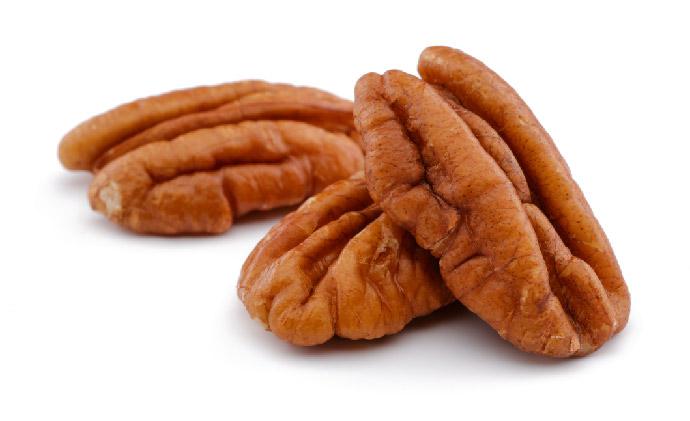
This fibre-packed nut aids in digestion and facilitates regular bowel movements. For children who suffer from constipation, pecans can help relieve the condition. As a good source of vitamin B3, pecans help reduce fatigue in children.
Nutritional value of pecans (1 serving, 15 pecan halves )
|
6. Dried apricots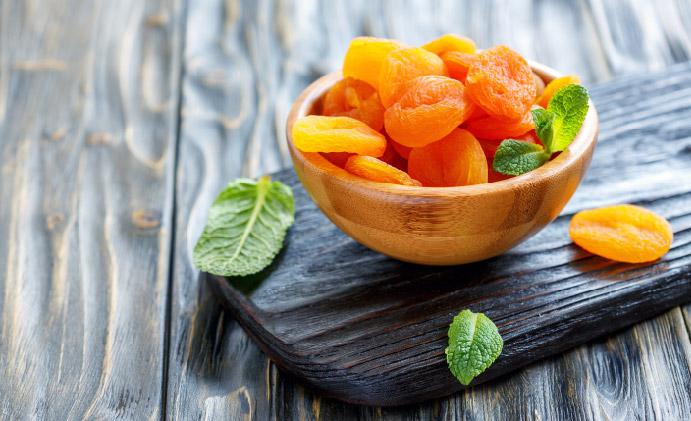
Dried apricots are high in dietary fiber, potassium, copper, niacin, iron and vitamin E that are essential for a child's development. This dried fruit is particularly beneficial to eye health because it contains the highest amount of vitamin A (3604 IU/100 g).
Nutritional value of dried apricots (1 serving, 8 halves)
|
7. Dried prunes 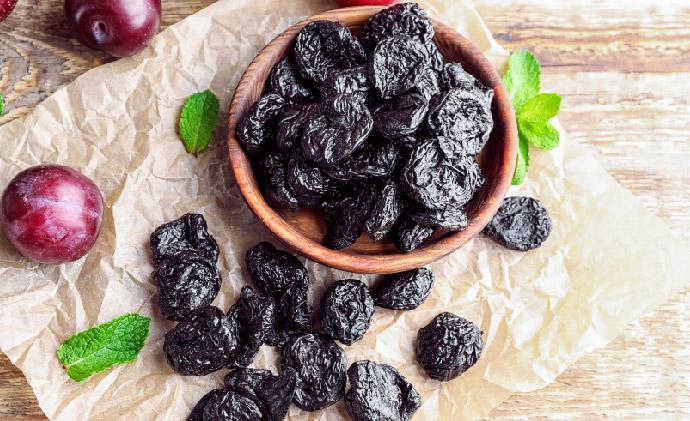
Prunes contain high levels of antioxidants called phenols, which protect the cell membranes from damage caused by free radicals. They are also a good source of vitamin C which helps boost your child's immune system.
Nutritional value of prunes (1 serving, 3 prunes)
|
8. Dates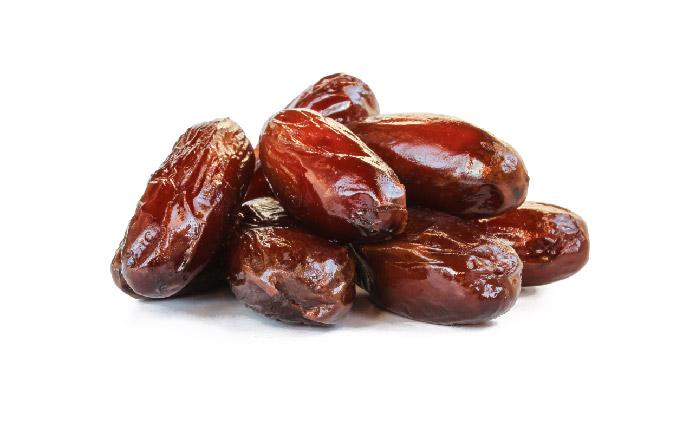
Dates are packed with energy and are a good source of minerals like calcium, sodium, phosphorus, magnesium, potassium and zinc. It contains the highest amounts of iron. This helps prevent anemia, an iron deficiency in children. They also contain vitamins like thiamine, riboflavin, niacin, folate, vitamin A, B6 and vitamin K.
Nutritional value of dates (1 serving, 1/2 cup)
|
9. Raisins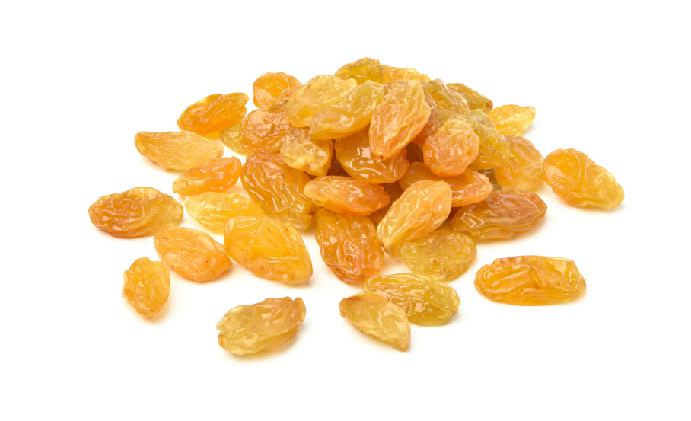
Raisins are a great alternative to sugary treats which children usually like to eat. Raisins contain antibacterial properties that can reduce oral bacteria that contribute to dental cavities. Raisins are natural laxatives that help improve digestion and bowel movements.
Nutritional value of raisins (1 serving, 1/4 cup)
|
10. Figs
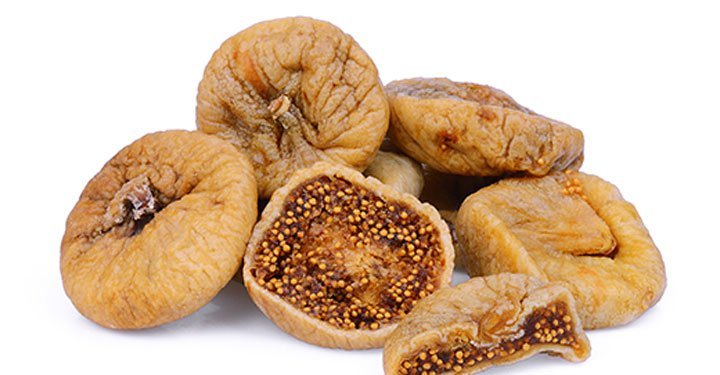
Figs are a good source of calcium and phosphorus, which fosters the formation of bones. They are also rich in fibre and hence helps in easy digestion. Studies have shown that figs possess certain liver-protecting properties and help prevent jaundice, which is common among infants and children.
Nutritional value of fig (1 serving, 1/4 cup)
|
Benefits of eating dry fruits and nuts
Dried fruits and nuts are highly nutritious and contain proteins, fibers, antioxidants and healthy fats. Including them in the diet is essential for good health and to reduce the risk of certain diseases such as type 2 diabetes, heart disease, osteoporosis, and renal problems.
In children, consuming dry fruits is beneficial in preventing gastric problems, weight gain and dental issues. It also helps in their overall growth and development and boosts their immunity.
Best time to eat dry fruits
Dried fruits can be consumed at any time of the day but the best time is in the morning along with breakfast, to obtain the maximum benefits. This helps to keep away fatigue and regulates blood pressure. However, it is advisable to avoid eating nuts at night as it can cause indigestion.
How much dry fruits should my child eat in a day?
Can your child have endless bowls of salted cashews? No, like everything else, even dried fruits and nuts need to be eaten within limits.
Here is the list of the recommended dose of dried fruits and nuts.
| 1-2 years: 2-3 nuts and 1-2 dried fruits/day |
| 3-5 years: 2-3 nuts and 2-3 dried fruits/day |
| 6-10 years: 4-5 nuts and 2-3 dried fruits/day |
| 11+ years: 6-8 nuts and 3-4 dried fruits/day |
Is it okay for my child to eat dried fruits and nuts on an empty stomach?
Yes, eating dry fruits on an empty stomach is beneficial because the nuts are easily digested and you can get the complete nutritious benefits of this mineral and protein-rich food.
Can eating dry fruits lead to weight gain?
Dried fruits contain higher calories than fresh fruits. Some dried fruits are sweetened with added sugar. It is easier to consume large amounts of dried fruits and therefore the chances of ingesting a higher amount of calories.
Providing healthy snacks for children can help them develop good eating habits that last a lifetime. Dried fruits and nuts are smart snack choices that are not only delicious but also nutritious. So, what more does a parent want when their child is eating healthy? Don't forget to pack nuts and dried fruits in your child's snack box or give it as an evening treat!





























Comments
Standard Cold Pressed Oil Jul 5, 2019
Edit
Comment Flag
Cancel Update