
Introducing spice: When and how to add spices to your toddler's food
Shiny Lizia M
Afraid to add spices to your baby's food? You can in moderation. Spices add flavor and nutrition to food. Explore this article to find out how spices can make your toddler's food more healthy
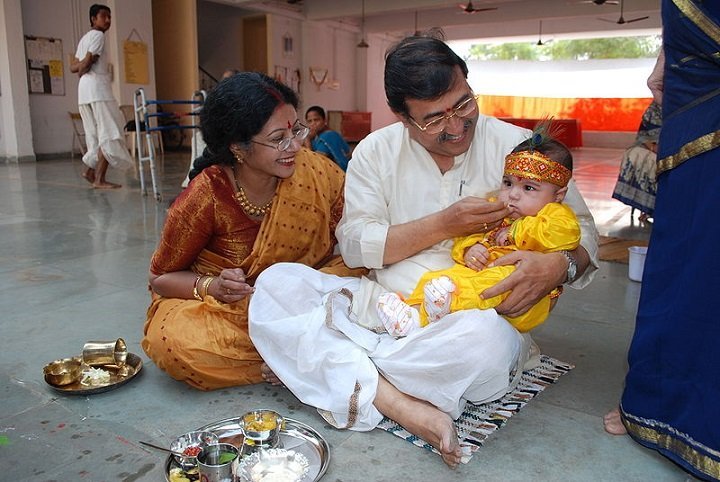
Do you give bland food to your toddler? You don't need to. Learn about spices you can safely introduce to your child's food. You can use spices and herbs to season the food. Herbs and spices are used for seasoning food to provide a combination of flavours to otherwise bland meals. Spices have long been used in Indian cuisine, and introducing them to babies is a traditionally accepted practice as well. Condiments and spices can be classified as fresh - green chillies, coriander leaves, curry leaves, mint leaves, garlic, fresh ginger, and dry - asafoetida, cardamom, red chillies, cloves, coriander seeds, cumin, fenugreek seeds, nutmeg, caraway, black pepper, poppy seeds and turmeric powder. This article aims to help you understand the right way to introduce a wide array of spices to your toddler's food.
When do Indians traditionally start adding spices to a baby's food?
Traditionally, Indian families start introducing spices right after 6 to 7 months of breastfeeding, to add flavor to the baby's diet and as an agent to treat gastric ailments. Asafoetida, ginger, cumin and caraway (omam) have been used in traditional Indian remedies to help digestion. If you find your baby is allergic to certain spices or has digestive issues, it is best to consult your pediatrician about whether to delay the introduction of spices.
Also Read: Traditional Indian Spice Mixes: 7 Nutritional Benefits
Right age to start your baby on spices
After introducing weaning foods to your child, a small quantity of mild spices such as cardamom, cumin and turmeric can be added to her dishes. Seven to eight months is the right age to introduce spices to your baby's diet. However, your baby will start to love self-feeding and enjoy a variety of spices in his cuisine only after he is nine months old. You can experiment with new flavours and spices, introducing them one at a time during this phase.
Right technique to start introducing spices
There are numerous ways to use condiments, herbs, spices and blends. For example, some herbs, such as cinnamon, nutmeg, ginger, and cloves, are substitutes for sugar. While other herbs, such as cumin and garlic are substitutes for salt. The table below furnishes details on when can a spice be introduced in your baby's diet; how can it be introduced; and what are its health benefits?
Turmeric:
- When: 8 months onwards
- How: Add a small pinch to dal, sambhar, vegetable sabjis and non-vegetarian foods. For older toddlers, a small pinch of turmeric can be added to a glass of milk in case they have a cold or cough.
- Health Benefits: Aids in digestion, strengthens the immune system, reduces asthma and allergic reactions, relieves respiratory congestion
Chilli powder:
- When:18 months onwards
- How: Add a very small amount to your child's dishes. To reduce the pungency of chillies, add balancing ingredients such as ghee, curd/yoghurt to the dishes.
- Health Benefits: Acts as an Anti-inflammatory agent, relaxant
Ginger:
- When: 2 years onwards
- How: Small amounts can be introduced in rice and curry preparations such as vegetable rice, biryani, meat-based agent, and circulatory dishes.
- Health Benefits: Aids in digestion, is an anti-emetic (prevents nausea and vomiting), anti-microbial stimulant, anti-inflammatory, and anti-spasmodic agent; treats respiratory ailments
Fenugreek:
- When: 18 months onwards
- How: Add a small amount to the idly/ dosa batter, sabjis, and curries.
- Health Benefits: Improves digestion
Coriander seeds:
- When:8 months onwards
- How: Add a small amount of the powder to curries, and sabjis.
- Health Benefits: Prevents and reduces gastric disturbances; is an antioxidant, anti-microbial agent
Mint:
- When: 8 months onwards
- How: Add the extract to chutneys, curries, and to rice preparations.
- Health Benefits: Aids in digestion, treats respiratory disorders, improves oral health, acts as a relaxant
Garlic:
- When: 8-10 months onwards
- How: Start by adding just one minced garlic clove to dal, sambhar, curries, and sabjis, and to non-vegetarian dishes.
- Health Benefits: Remedy for respiratory disorders, relieves abdominal pain and gastric disorders; is an anti-microbial agent.
Cumin:
- When: 8 months onwards
- How: Add a small amount to dal, rasam, sambhar, chutney, curries, sabjis, and non-vegetarian dishes.
- Health Benefits: Treats intestinal worms, treats colic, fights respiratory diseases, treats anaemia, strengthens immune system, anti-inflammatory agent.
Introducing one spice at a time
When you introduce spices to your child's diet, keep in mind to introduce one spice at a time, that too in very small quantities. Start with the mild spices. Wait for four to six days before introducing another spice or new food. This will help identify any possible allergic reaction caused by the spice.
Watch for allergic reactions
Keep an eye out for the following symptoms when you're introducing a new spice to your baby's diet:
- Hives (skin rash) or welts (skin bumps)
- Flushed skin (reddening of skin)
- Swelling of face/tongue/lips
- Vomiting and/or diarrhoea
- Coughing or wheezing
- Breathing difficulties
- Dizziness, loss of consciousness
Homemade spices vs store-bought ones
Homemade spices - spices ground at home (e.g., pepper powder, cumin powder, chilli powder), are better than the pre-packaged ones. If you are used to buying pre-packaged spices, make sure they are fresh and are used before the date of expiry. Garden fresh herbs such as coriander, mint, parsley, basil, curry leaves, etc. are more beneficial and less threatening when compared to other dried spices, particularly, the more pungent ones.
A note of caution
Some household herbs and spices can be dangerous to toddlers if ingested in high doses. There have been a handful of case reports on toxic effects of a variety of spices. Spices that can cause toxicity in children include several Indian spices. A study published by Lin et al., in Pediatrics (2010), reported lead-poisoning cases from Indian cultural powders or spices. Imported products surveyed contained lead, and the study concluded that chronic exposure could increase the prevalence of elevated Blood Lead Levels (BLLs) in children. Cincinnati Drug and Poison Information Center warns that most herbs are not recommended for routine use in children. Hence, it is better to introduce spices to your child's diet with caution. Including smaller amounts will help to avoid serious effects.
























Comments
Edit
Comment Flag
Cancel Update