Others
Others
World Environment Day: Before Children Can Protect the Planet, They Must First Learn to Love It
"Mama, if I plant this seed today, will it give me fruit tomorrow?"
"How does a tiny seed know it has to become a tree?"
"Where do butterflies sleep at night?"
"If we can grow mint at home, why do people buy it from the market?"
Children ask these questions not because they are learning about nature, but because they are experiencing wonder.
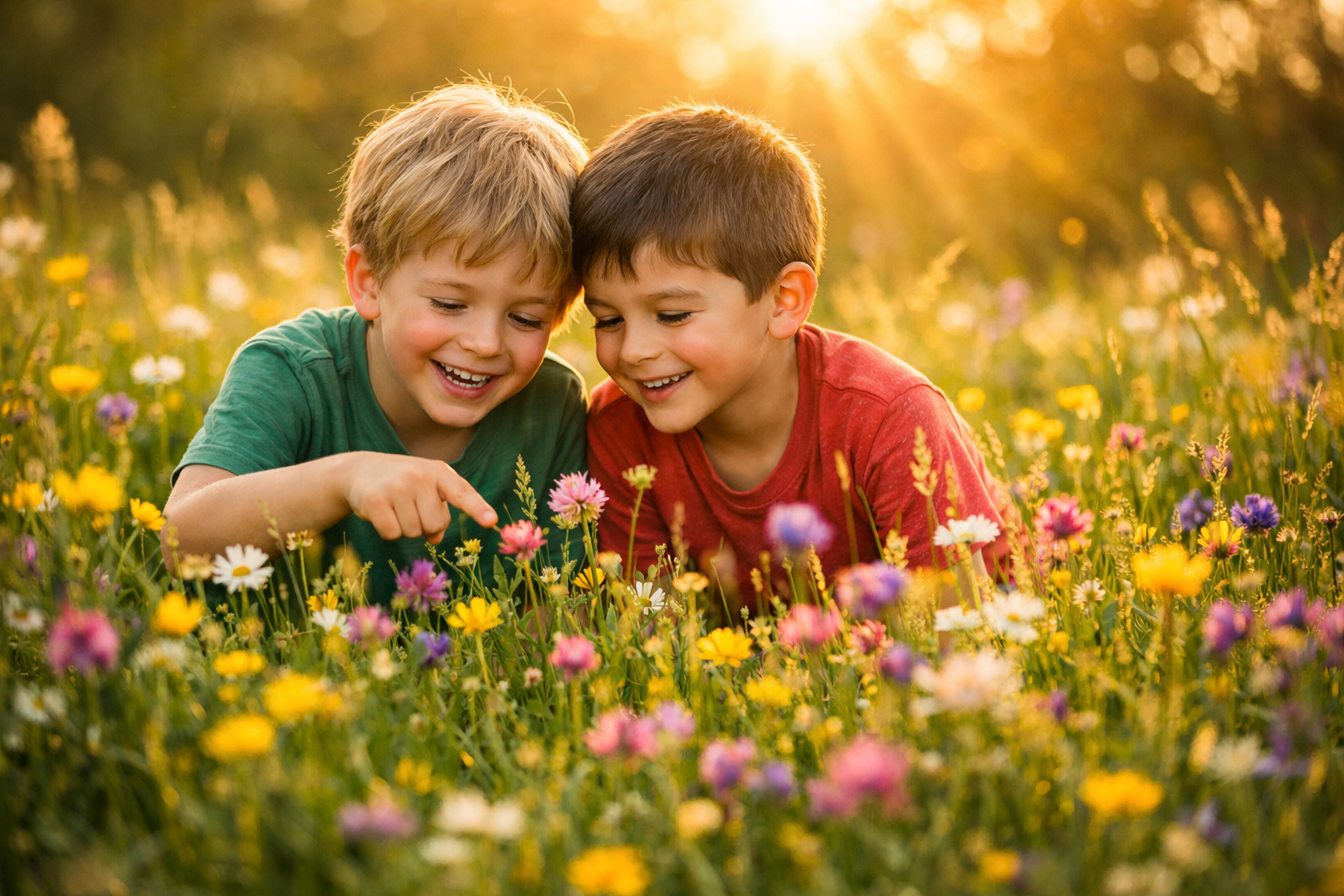
Many of us hear such questions when we take our children to a park, a garden, a farm, or even while watering a plant on the balcony. The moment children encounter nature, their curiosity comes alive. They want to touch, observe, question, and understand the world around them.
Yet, modern childhood is increasingly lived indoors. Our children learn about climate change, pollution, deforestation, and conservation through textbooks, videos, and classroom lessons. While this knowledge is important, it often remains theoretical. A child can learn about trees from a chapter in a book, but that is very different from planting a sapling, watching it grow, or sitting beneath its shade.
As parents, we often focus on teaching children how to protect the environment. But before children can care deeply about nature, they need opportunities to connect with it. They need to experience its beauty, wonder, and magic firsthand.
Because before we teach children to save the planet, we must help them love it.
Nature Is Becoming a Stranger to Many Children
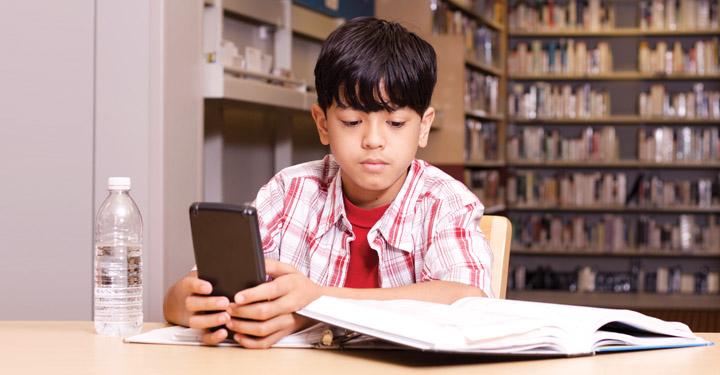
Many children today are more familiar with screens than with nature. They can recognise logos, cartoon characters, and YouTubers instantly, yet may struggle to identify common trees, birds, or plants around them. Childhood has gradually shifted indoors, where nature is often experienced through pictures, videos, and textbooks rather than firsthand encounters.
I noticed this during a visit to a zoological park in Pune with my children. They were excited to see the animals, but what astonished them most was the variety of snakes. They stood there wide-eyed, amazed by their size, repeatedly saying, "We've never seen such a big snake before!" Their reaction reminded me that while children learn about animals in books and on screens, nothing compares to seeing them in real life. It is these direct experiences that spark curiosity, wonder, and a deeper connection with the natural world.
What Nature Teaches Children That Parents Cannot
As parents, we try our best to teach important life lessons. Yet nature often teaches them more gently and more effectively than we can.
- Patience: Waiting for a seed to sprout and grow reminds children that good things take time.
- Resilience: Watching plants recover after heavy rain or strong winds teaches them that setbacks are not the end.
- Responsibility: Caring for a plant, watering it regularly, or tending a small garden helps children understand commitment and care.
- Wonder: Observing butterflies, birds, insects, and flowers keeps curiosity alive and encourages children to ask questions about the world around them.
These lessons are difficult to teach through lectures alone. They are best learned through experience, observation, and a genuine connection with nature.
Getting Dirty Is Good for Children
As parents, our first instinct is often to keep children clean, to stop them from playing in the mud, touching insects, or coming home with grass stains on their clothes.
Yet some of childhood's best learning happens in those messy moments. Building with sticks, digging in the soil, collecting stones, or exploring a garden encourages creativity, problem-solving, and confidence.
Time spent outdoors can also help children slow down, focus on the present moment, and take a break from the constant stimulation of screens.
Sometimes, a little dirt is a small price to pay for experiences that help children grow.
Simple Ways to Bring Children Closer to Nature
Building a connection with nature does not require expensive vacations or elaborate plans. Small, everyday experiences can leave a lasting impression on a child.
In the middle of busy school days, household responsibilities, and work commitments, parents do not need to carve out large chunks of time to help children connect with nature. Sometimes, the simplest experiences leave the deepest impressions.
- Plant a seed and let children track its growth.
- Grow herbs such as mint, coriander, or basil in pots at home.
- Take a walk and encourage children to spot different birds, flowers, or insects.
- Visit a botanical garden, nature trail, farm, or zoological park.
- Collect fallen leaves and compare their shapes, sizes, and textures.
- Watch the sunrise or sunset together and talk about the changing colours of the sky.
- Create a small bird-feeding station on a balcony or in the garden.
- Allow children to play barefoot on grass, dig in the soil, or splash in puddles after the rain.
- Observe the night sky together and discuss the moon, its phases, the stars, and our solar system.
- Start a simple nature journal where they can draw or write about things they observe outdoors.
These experiences may seem small, but they help children develop curiosity, appreciation, and a sense of belonging in the natural world.
Children are born with a natural sense of wonder. They do not need to be taught to be curious about a flower, a butterfly, a bird, or a star-filled sky. They already are. The real question is whether, amidst our busy schedules and increasingly indoor lives, we are making enough room for that wonder to flourish.
Perhaps the goal is not simply to raise children who understand environmental issues. Perhaps it is to raise children who remain curious, connected, and appreciative of the world around them. Everything else may follow naturally.

























Comments
Edit
Comment Flag
Cancel Update