
Early Eye Checkups: Why They Matter And What Parents Need To Know
Team ParentCircle
Good eyesight is crucial for learning, development, and overall well-being. Yet, many vision problems in young children go unnoticed. Early eye checkups can help detect issues before they impact your child’s learning and daily life. Explore why regular eye exams are essential, when to schedule them, and how to ensure your child’s vision stays sharp and healthy.
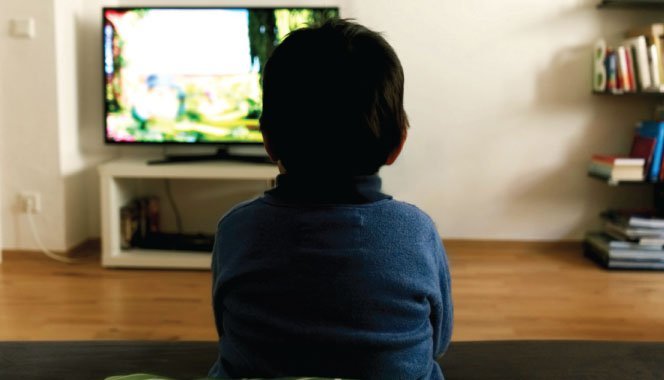
Like many of his peers, Varun, a 4-year-old, enjoys playing, singing, dancing, and watching cartoons on TV. One day, when Varun's uncle noticed that he was sitting too close to the TV, the family suspected the child might have a vision problem. A visit to an ophthalmologist confirmed their fears. The doctor reassured the parents that it isn't easy for parents to detect eye problems in children because young children don't complain. They assume the world is supposed to look the way they see it. They accept their vision and adjust accordingly. So, parents need not be hard on themselves.
Because children's vision-related issues often go unnoticed, regular eye examinations aid early detection and intervention.
Eye Exams
Routine eye tests can help you keep a check on your child's vision development from birth to their teen years.
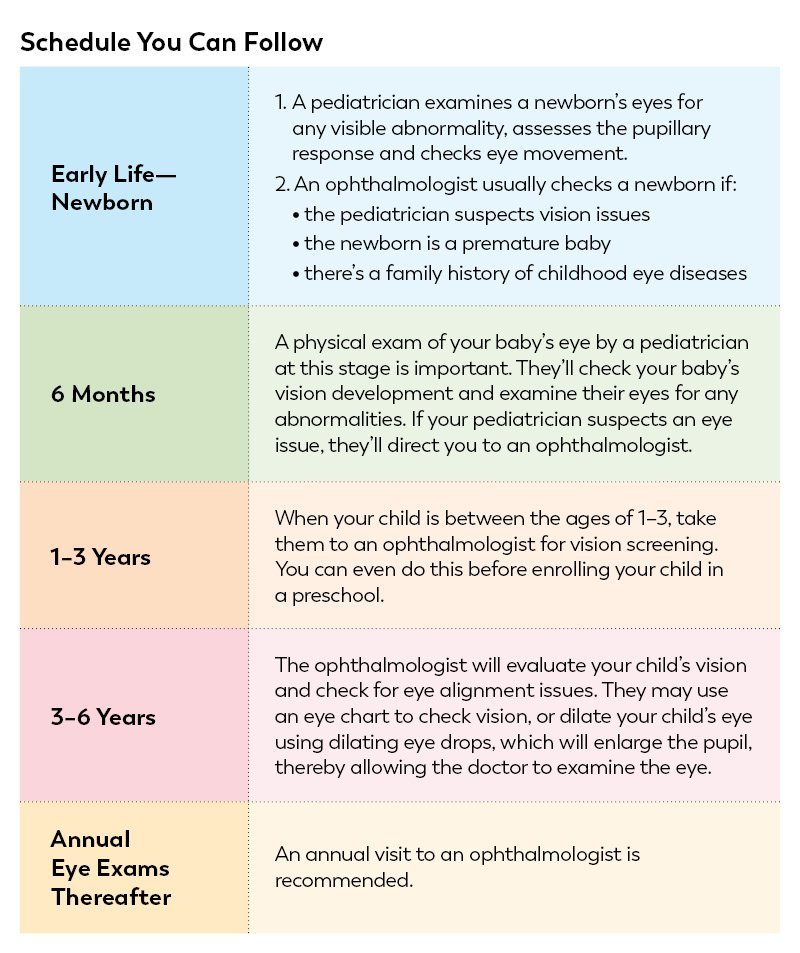
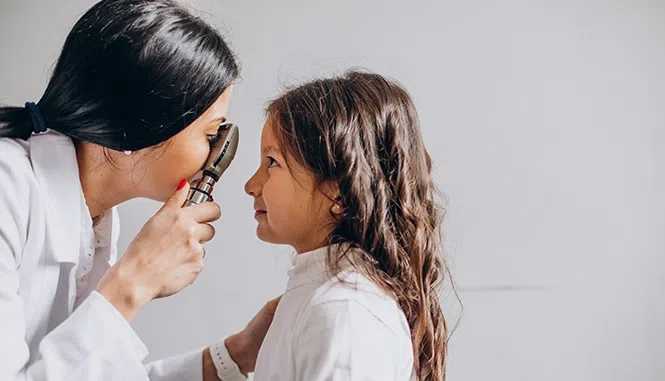
Routine eye tests by an ophthalmologist may include:
- Screening your child's vision (how clear and sharp the objects appear)
- Checking for structural abnormalities
- Examining the eyes to look for allergies, infections, or blocked ducts
- Checking eye alignment to see if both eyes work well together
What to expect during an eye exam:
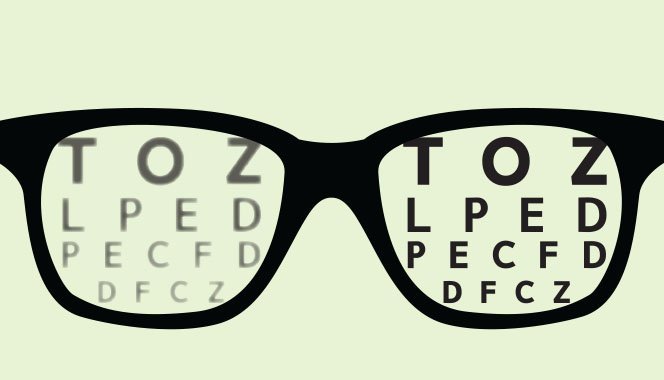
- The doctor may show charts with patterns, pictures, numbers, or letters for your child to identify
- The doctor may check your child's eye movement by asking them to follow a moving object (a toy or a pen) with their eyes
- Some tests may include the use of special equipment
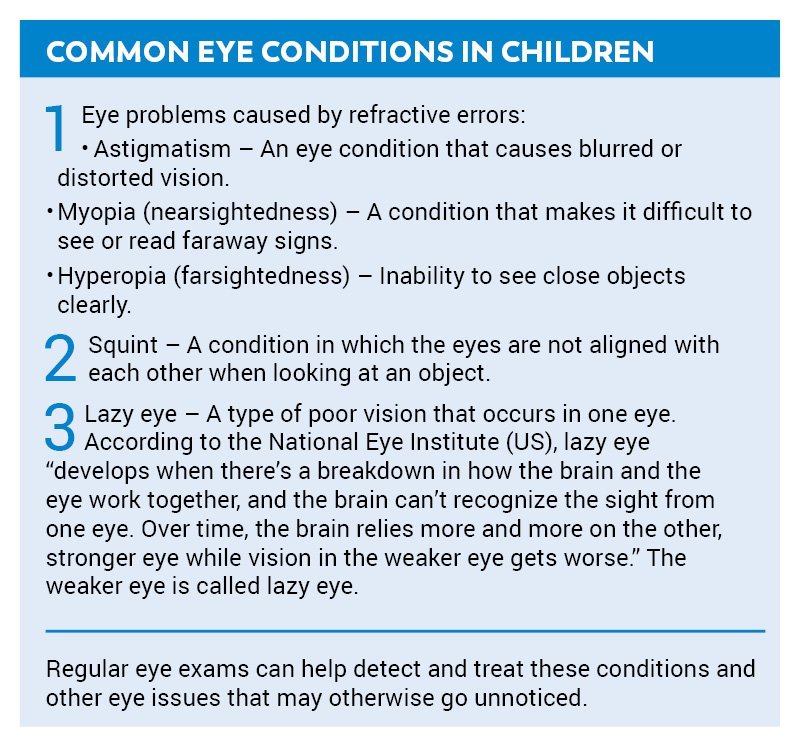
Look out for vision problems
Besides regular checkups, visit an ophthalmologist if you notice any of the below symptoms or if you suspect a vision problem:
- Trouble seeing the board clearly at school
- Squeezing the eyes while seeing
- Holding the head awkwardly while looking at things
- Squint or crossed eyes
- Holding books or signs close to the eyes
- Sitting too close to the TV
- Red, itchy or watery eyes
- Drooping eyelids
- Changes in color or appearance of the eyes
- Avoiding activities that require focusing of eyes, such as coloring and solving puzzles
- Sensitivity to light
- Clumsiness while walking
- Running into things that are in plain sight
- The presence of a foreign body in your child's eye that doesn't come out even after blinking or washing the eye with water. Irritants like dust, pollen, or pet hair may cause allergic eye disease.
- Eye injuries caused by household objects (furniture, toys, paper clips, rubber bands, tools with sharp edges) and chemicals (glue, cleaning sprays, detergent)
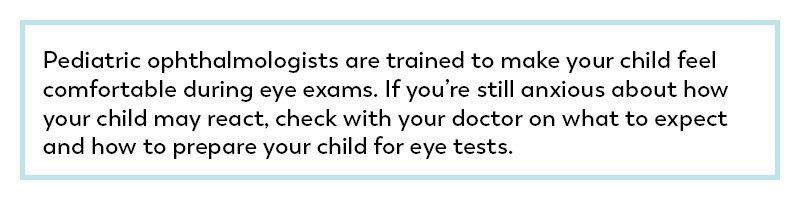
This article has been reviewed by Dr Anshulee Sood, pediatric ophthalmologist, Tejas Eye Hospital, Mandvi (Gujarat), and Dr Bina John, senior pediatric ophthalmologist, Chennai.
































Comments
Edit
Comment Flag
Cancel Update