
Typhoid Fever In Kids: Symptoms, Causes, Treatment, Vaccine, Prevention And More
Team ParentCircle
Worried your child has typhoid? Kids often contract typhoid due to poor eating and drinking habits. Learn how typhoid fever is caused, its symptoms, and treatment. Also see typhoid diet for kids
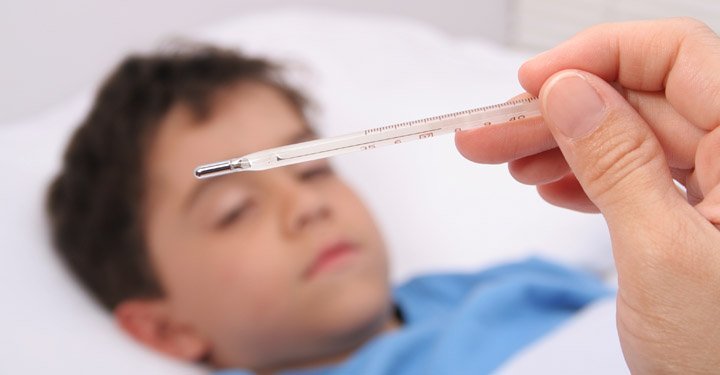
12-year-old Juhi Alaparthi is fond of spicy food. She often gorges on street foods like noodles, kababs, and samosas in a food stall near her school. What Juhi does not realize is that there is a dirty canal right next to that stall. The owner of the food stall uses the canal water to wash the plates. Soon, Juhi falls ill with a high fever accompanied by a headache. Later, when her parents take her to the doctor, she is diagnosed with typhoid.
Like Juhi, many children fall sick with typhoid because they consume food prepared in unhygienic conditions. ParentCircle talks to Dr HemaPriya Natesan, Founder and Chief Editor of MyLittleMoppet, Chennai, about typhoid fever in children, its causes, symptoms, and what parents can do to prevent it.
What is typhoid fever?
Typhoid is caused by a bacterium called Salmonella typhi. It can be present in contaminated water or food, or spread through contact with an infected person. The disease is more common in areas with poor sanitation. The primary symptom is fever, which may appear suddenly or develop gradually over a few days, and it can persist for an extended period.
What causes typhoid in children?
Typhoid fever is commonly seen in children. They can contract the infection by consuming food or water contaminated with the bacteria. Poor hand hygiene after using the bathroom and eating food from roadside stalls with inadequate sanitary practices are also contributing factors.
Typhoid symptoms in kids
The symptoms of typhoid usually appear 7 to 14 days after infection. In some cases, a child may not show signs of illness for up to two months after contracting the disease.
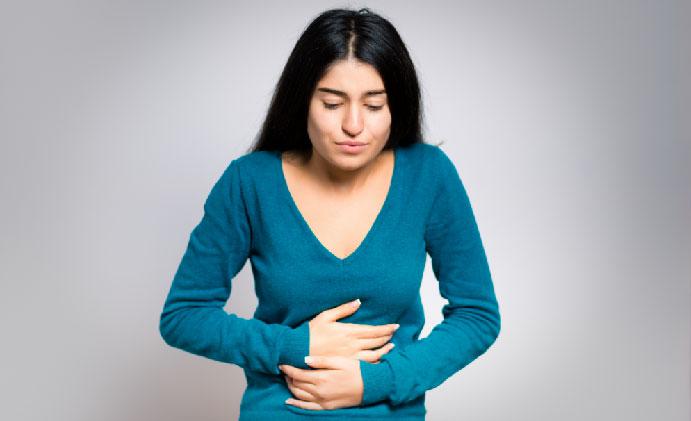
The symptoms of typhoid include:
In addition to the above symptoms, the child will feel uneasy and restless most of the time. |
How to prevent typhoid in children
1. Give them purified drinking water
The most common way for a child to contract typhoid is by consuming contaminated water. It is important to ensure that your child drinks purified water. When travelling, it's safer to carry bottled water, and at home, boiled water can be given as a precaution.
2. Keep their hands clean
Teach your child to wash their hands regularly, especially before eating. They should use soap or handwash after using the toilet. When water is not available, a hand sanitizer can be used to kill germs.
3. Eat hygienic and healthy food
Eating raw food should be avoided as much as possible. Instead, opt for properly cooked meals. If raw fruits or vegetables are consumed, choose those that can be peeled before eating.
For your child, it's best to avoid outside food and provide meals that are prepared hygienically at home. Street food and fast food should be avoided, as they carry a higher risk of contamination. Choose healthy, home-cooked options to reduce the risk of infection.
How is typhoid treated in children?
Upon consultation, the doctor will prescribe a course of antibiotics for your child. It is important to ensure that they take the medication exactly as directed and complete the full course to prevent a relapse of the disease.
What can parents do?
If your child is down with typhoid fever, it’s important to maintain a clean and hygienic environment. Ensure that the room is clean, well-ventilated, and airy. Your child needs plenty of rest, not only during the fever but also for at least a week after it subsides.
Keep them well-hydrated with plenty of fluids, including 8 to 10 glasses of water a day. You may consult your doctor about giving Oral Rehydration Solution (ORS) if needed. Give your child a sponge bath or a daily wash, and help with brushing their teeth if they’re unable to do it themselves.
Additionally, monitor their fever regularly and contact your doctor immediately in case of any emergency or unusual symptoms.
Typhoid fever diet for your child
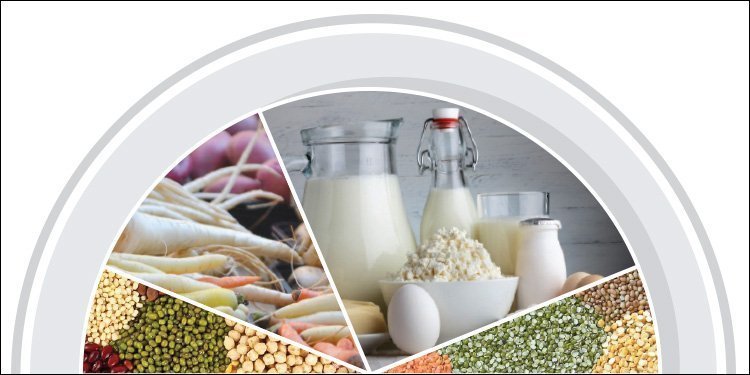
The digestive system is affected when a child has typhoid, and it gradually restores itself after the disease is cured. Offer easily digestible foods like soups and porridge during the illness.
The diet should include plenty of fluids. Protein-rich foods should also be incorporated. Raw foods, insoluble fibers such as the skin and seeds of fruits or vegetables, and spicy or fried foods should be avoided. Cooked vegetables like carrots and sweet potatoes, along with citrus fruit juices such as oranges and sweet lime, can be included in the diet.
Is there a vaccine for typhoid?
Yes, there is vaccination, and it is the most foolproof way to prevent typhoid in your child. Consult your doctor about vaccinating your child for typhoid.
Is typhoid contagious?
Typhoid is contagious as it spreads through contaminated food and water. The infection can also spread through stools and, at times, through urine.



















Comments
Edit
Comment Flag
Cancel Update