
How To Keep Your Child Healthy: 9 Simple Everyday Habits Every Parent Can Follow
Dr Priscilla J S Selvaraj
Good health is built through everyday habits. From healthy sleep and nutritious meals to physical activity, hygiene, and emotional well-being, these simple practices can help your child grow and thrive. Discover nine practical habits every parent can follow to support their child's overall health and well-being
- 14.6K
- 1
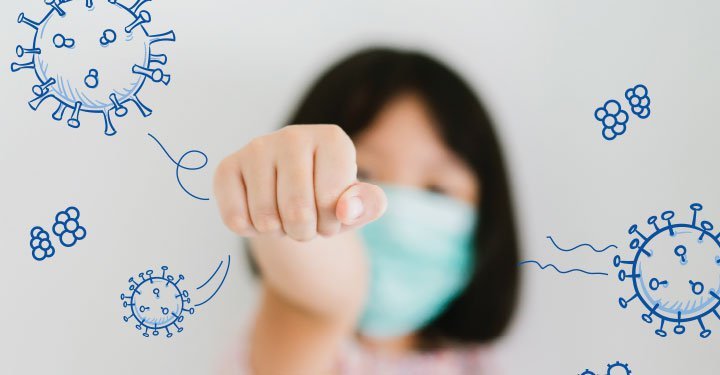
A few days before my Class 10 board exams, I came down with chickenpox. At that time, my brother was taking his Class 12 board exams. At first, everyone panicked at home. But soon, my mother got things under control.
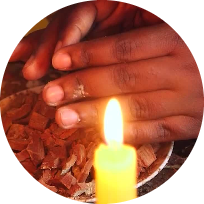
After a visit to the doctor, she ensured I was isolated in a cool room, with a neem-leaf mattress and cushions. Tender coconut water, fruits, and a bland diet kept my energy levels up. As a family practise, my family and next-door cousins were all given sugar-coated balls of neem paste and turmeric to gulp down.
Mom and Dad took turns reading my lessons to me. My brother and I passed with distinction, and no one caught the contagious chickenpox from me!
Now, wasn't that good health management on my mother's part?
Did you know?Traditional comfort practices during chickenpoxNeem leaves have long been associated with cleanliness and well-being in many Indian homes. Some families follow the tradition of lining bedding with neem leaves or keeping them around the room during chickenpox because they believe the leaves provide cooling and soothing comfort. Such traditional practices may offer comfort and hold cultural significance, but they are not a substitute for medical advice or treatment. Always consult your doctor regarding your child's illness and care. |
Beyond illness, caring for children's health must extend to daily routines and habits to ensure they grow and thrive.
Why good health matters for children
Good health supports:
- Learning and concentration
- Physical activity and sports
- Emotional well-being
- Social participation
- Overall development
Tips to manage your child's health
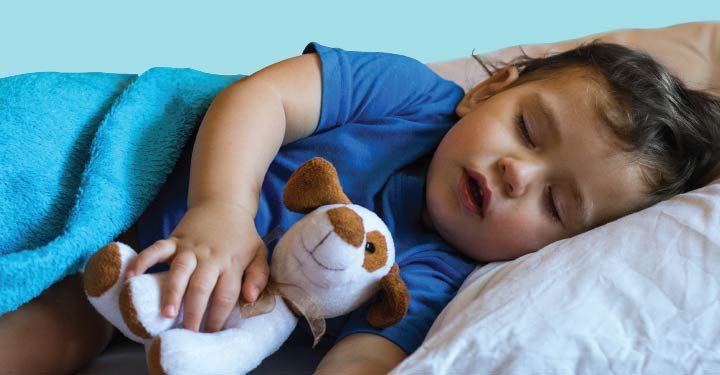
1. Children need different amounts of sleep at different ages
Adequate sleep tops the list of health care tips for all. For children, sleep requirements vary, depending on their age.
While babies sleep for almost 16 hours a day, toddlers need 12-14 hours. Children between the ages of 3 and 12 need 10-12 hours, older children need 8-9 hours.
Establish regular sleep routines—going to bed early at the same time and waking early at the same time every day.
2. Healthy eating patterns begin in childhood
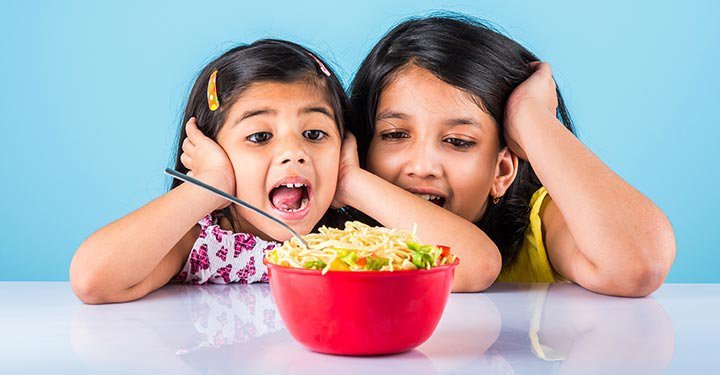
Healthy eating patterns set during childhood ensure well-being in adulthood.
- Explain to your child how the food they eat provides them energy to perform daily activities.
- Describe the nutritive value of vegetables and fruits. Provide healthy alternatives to junk food. For example, how about a 'dozza' in place of a pizza?
- Ensure your child stays hydrated, as it supports normal body functions.
- Appreciate and reward their attempts to make healthy food choices.
3. Make physical activity part of everyday life
Is your child underweight or obese? A balanced diet consisting of essential nutrients will address these issues. Regulated screen time will ensure they have enough time for sports and games, and hobbies.
Put up your goals on the kitchen/refrigerator door to motivate you and your family.
Teach healthy hygiene habits
Simple habits help prevent infections:
- Brushing teeth twice a day
- Washing hands before eating, after using the washroom
- Rinsing the mouth after eating
- Washing up or bathing after outdoor play
- Keeping nails short and clean
- Using tissues when coughing and sneezing
Help your child manage stress
Rest, hobbies, and family time support emotional well-being
Overexpectations and unhealthy competition pressure and stress children. Hobbies are good stress busters. Family outings and trips are fun ways to de-stress and bond.
Learn to manage allergies and medical conditions
Understand your child's triggers and treatment plan
Allergies in children often leave parents frustrated. Common allergens are dust, pets, pests, pollen, smoke, cooking fumes, and aerosol sprays. Certain foods can cause allergies, too.
If your child has been diagnosed with a specific health condition, learn more about it from the doctor and reliable sources.
Introduce lifestyle changes in your home to help your child follow the dos and don'ts.
Keep prescribed medicines handy.
Know what to do when your child falls ill
When should you keep your child home from school?
- A safe practice is to keep your child home when ill.
- Follow the doctor's advice on diet and medicines.
- Neither forcibly feed the child nor starve them.
- Maintain a temperature chart in case of continuous fever.
- Inform the doctor of all symptoms. It helps in diagnosis.
Be prepared for minor injuries and emergencies
Know basic first aid and seek medical care when needed
- Be prepared to handle minor accidents and injuries.
- Wash cuts, bruises, and wounds with clean water.
- Then dab dry with a piece of clean cloth and apply antiseptic cream.
- Cover the wound lightly with sterilised gauze.
- For minor burns, run cool tap water. Check with your doctor for tetanus shots.
- For major burns, take your child to the hospital immediately.
- Swelling and severe pain after a fall may indicate a fracture.
- Keep movement to a minimum as you travel to a medical facility.
Keep health records and seek professional advice
Avoid self-medication
Exercise caution in using medical information sourced from the internet. Do not rely on such sources to administer medicines to your child.
Also, do not use old prescriptions or over-the-counter pills. Nothing can substitute for the advice of a medical expert.
Maintain your child's medical records
Have a file with all your child's medical records. This will serve as a ready reference during a medical emergency.
Keep vaccinations and regular check-ups up to date
Preventive healthcare is as important as treatment
Ensure regular checkups to identify and treat conditions early enough:
- Dental check-ups
- Vision screening
- Growth monitoring
Normal exposure to the environment helps build immunity, so avoid being overprotective and overly restrictive.
Managing healthcare costs
With rising medical care costs, insurance coverage is a must for your family. This will help reduce strain on the family budget, especially for major ailments.
Parent tipKeep health insurance and emergency medical information readily available. |
Good health is built through everyday habits
Children do not become healthy overnight. Small daily habits, such as adequate sleep, nutritious food, physical activity, hygiene, emotional support, and timely medical care, lay the foundation for lifelong well-being. By creating healthy routines at home, parents can help children grow, learn, and thrive.
The greatest blessing we can bestow on our children is good health. So, let our children have this blessing in abundance.
Written by Dr Priscilla Selvaraj, an educationist, language specialist, and writer.
Reviewed by: Dr R Kannaiyan, MD, General Medicine consultant at Apollo Hospitals.
Editorially updated by ParentCircle on June 18, 2026























Comments
Excellent article! It provides practical and valuable tips for parents to manage their child’s health effectively. From healthy eating and proper sleep to stress management, exercise, and preventive care, every point is explained clearly. I especially liked the emphasis on building healthy habits early in life, as they play a crucial role in a child’s long-term well-being. A very informative and useful read for all parents
Edit
Comment Flag
Cancel Update