
6 Ayurvedic Herbs For Memory Power In Kids And Better Brain Health Development
Shaiju Joseph
Discover ayurvedic herbs for memory power in kids that may support brain health and concentration. Learn about natural brain boosters like brahmi, vallarai, ashwagandha, and moringa. This article explains their benefits and traditional uses while helping parents understand how these herbs can be included safely in a child’s diet
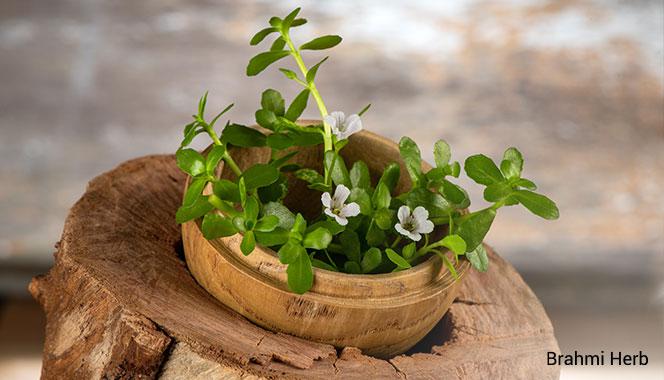
Children’s memory and concentration develop through a combination of healthy food, good sleep, learning habits, and a supportive environment. Traditional herbs may be included in a healthy routine, but they should not replace these important habits. Some herbs used in Ayurveda and Siddha traditions are believed to support brain health.
If you are worried about your child's ability to memorize lessons and poor attention skills, introducing these memory-boosting natural herbs to their diet may help.
However, parents must consult a healthcare professional before introducing herbal supplements to children.
Ayurvedic herbs that may support memory and brain health in kids
Brahmi and Vallarai are two well-known herbs traditionally used in Ayurveda and Siddha practices. They are natural brain boosters. Others include arugampul, ashwagandha, moringa flower, and jujube fruit. Here are the details of six natural herbs that are good for memory power and brain health, including their uses and benefits:
1. Brahmi

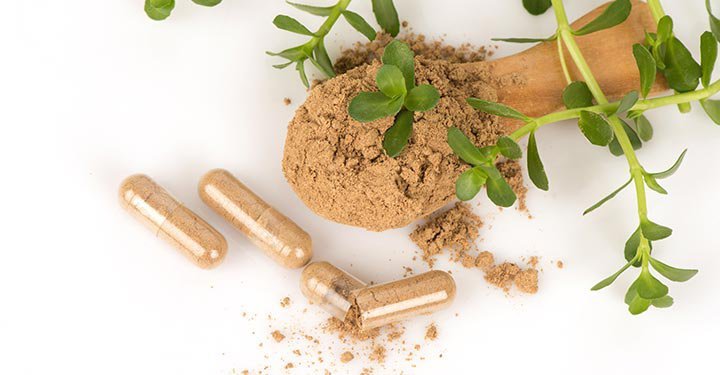
Brahmi is a well-known herb used in Ayurveda and Siddha traditions to support memory, concentration, and overall brain health. Brahmi and Vallarai are often confused with each other, but they are different herbs. True brahmi used in Ayurveda is known as Bacopa monnieri.
Benefits of Brahmi in brain development
Some traditional practices associate Brahmi with promoting calmness and relaxation. These qualities make it a popular herb for children’s mental well-being.
How to use brahmi leaves and powder
- Brahmi leaves can be dried and made into a powder.
- The powder is traditionally mixed with honey or added to food.
- Brahmi herbal preparations are also available in powders and capsules.
2. Vallarai keerai
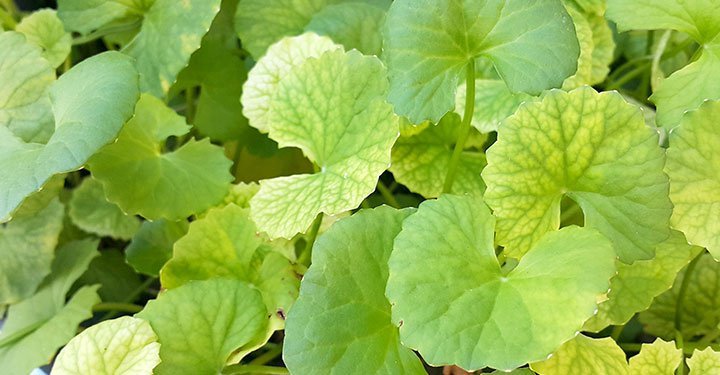
Vallarai keerai is a herb widely used in Siddha and Ayurveda traditions. The leaves are commonly used in Indian cooking and are valued for their nutritional benefits.
Benefits of Vallarai Keerai
Vallarai keerai is traditionally believed to support memory, focus, and mental well-being. It is also known for its cooling properties and is commonly used in a healthy diet. Some traditional practices use Vallarai to help promote calmness and relaxation.
How to use Vallarai keerai
- Fresh Vallarai leaves can be added to chutneys, soups, or dals.
- Dried Vallarai leaves can be made into a powder and mixed with food.
- Vallarai powder is traditionally taken with honey or milk.
3. Ashwagandha
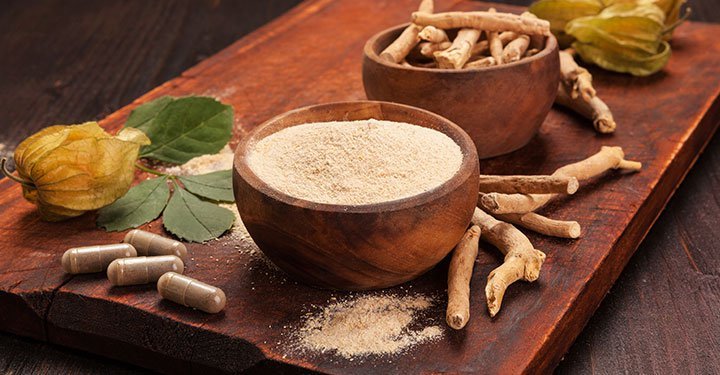
Ashwagandha is a well-known herb used in Ayurveda for overall health and well-being. It is traditionally considered a rejuvenating herb and is often used to support the body during periods of stress.
Benefits of ashwagandha
Ashwagandha is traditionally believed to support relaxation, mental well-being, and better sleep. However, more research is needed to understand its effects on children’s memory and learning.
How to use ashwagandha
- Ashwagandha is available as a powder, tablet, or herbal preparation.
- The powder is traditionally mixed with warm milk before consumption.
- It is also available as a lehyam (herbal paste) in Ayurveda stores.
4. Moringa flower
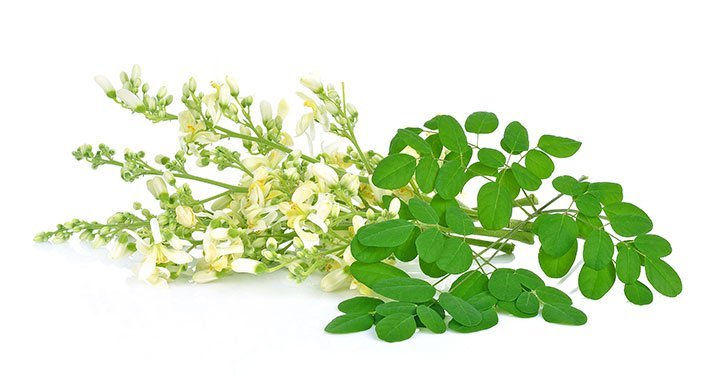
Moringa flower comes from the drumstick tree, which is commonly found across India. The flowers are rich in nutrients and are used in traditional cooking. Different parts of the moringa tree, including the leaves and flowers, have been used in traditional health practices.
Benefits of moringa flower
Moringa flowers contain essential nutrients that can contribute to overall nutrition when included as part of a balanced diet. Traditionally, they are considered beneficial for general wellness. A balanced diet rich in nutrients can support a child’s growth and development.
How to use moringa flowers
- Moringa flowers can be cooked and added to meals.
- The flowers are also traditionally boiled with milk to prepare a drink.
- They can be included in a balanced diet for children.
5. Arugampul
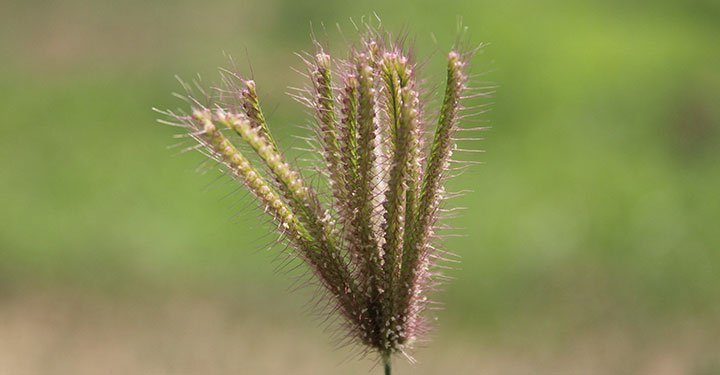
Arugampul, also known as Bermuda grass, is a herb used in traditional remedies for overall wellness. It is valued for its cooling properties.
Benefits of arugampul
Arugampul is traditionally used to support digestion and general health. It is also believed to help promote freshness and well-being. However, more scientific research is needed to understand its specific effects on memory and brain function.
How to use arugampul
- Fresh arugampul leaves are washed and used to prepare juice.
- The juice is usually diluted with water or tender coconut water before consumption.
- It is traditionally consumed in small quantities as part of wellness practices.
- Parents should seek expert advice before giving herbal juices regularly to children.
6. Jujube fruit
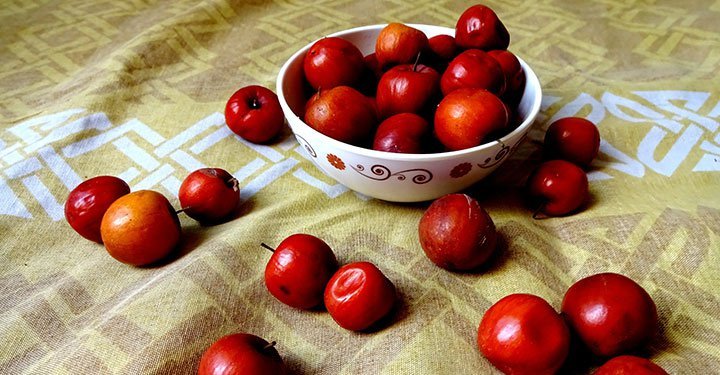
Jujube fruit, known as elanthai pazham in Tamil, is used in Siddha, Unani, and Ayurveda traditions. It is a naturally sweet fruit that contains vitamins and minerals. Traditionally, it has been used to support overall health and well-being.
Benefits of jujube fruit
Jujube is a nutritious fruit that can be included in a balanced diet. Its vitamins and minerals can contribute to a child’s overall growth and health.
How to use jujube fruit
- Fresh jujube fruit can be eaten after removing the seeds.
- The fruit can be used to prepare traditional drinks and herbal preparations.
- Jujube-based snacks like elanthai vadai can be consumed in moderation.
- Parents should avoid giving excessive amounts due to the fruit’s natural sugar content.
What parents should know before giving herbs to children
While many herbs have been used traditionally in Ayurvedic and Siddha practices, they should be introduced to children with care. A child’s age, health condition and dietary needs should be considered before adding any herb to their routine.
Herbs should complement a balanced diet, good sleep and healthy lifestyle habits. Parents should consult a qualified healthcare professional before giving herbal powders, supplements or concentrated preparations to children.
Parent checklist: Using herbs for children
- Discuss with a paediatrician before introducing herbal supplements
- Check whether the herb is suitable for your child’s age
- Choose herbs from reliable sources
- Avoid giving large amounts without expert guidance
- Include herbs as part of a balanced diet
- Focus on sleep, physical activity, and learning habits along with nutrition
- Watch for any allergies or reactions after introducing a new herb
- Avoid replacing regular meals with herbal preparations
Last updated on: July 10, 2026






















Comments
janepeter Jun 5, 2018
Edit
Comment Flag
Cancel Update