author parentcircle author parentcircle author parentcircle author parentcircle author parentcircle author parentcircle
Do you know that eating the right food regularly will keep your health on the right track? Here is a list of 10 superfoods you should include in your diet.
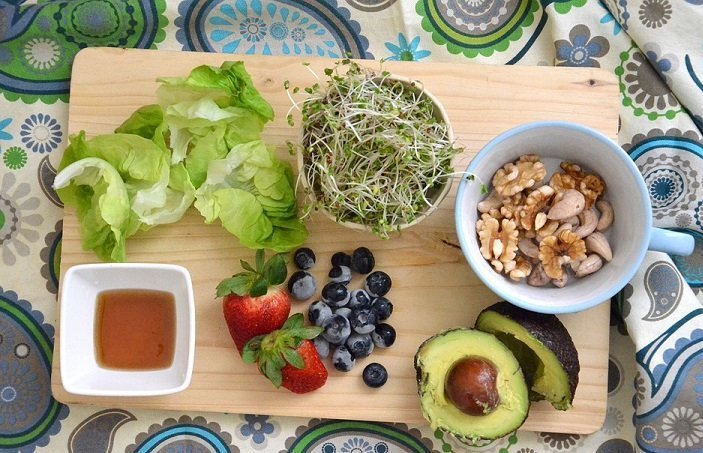
One of the most important principles to lead a healthy life is to consume nutrient-rich foods. Many people mistake healthy living for a restrictive diet. But, that is not the case. The only thing that a healthy lifestyle restricts is trans fats and other processed foods. Eating healthy is one of the best things that you can do for your mind and body. But what constitutes healthy foods?

Let's start with the understanding that the foods you eat daily determine how you will feel throughout the day. If you eat junk food, you will lack energy. But, consuming a variety of fresh and organic foods, will give you an energy boost and make you feel optimistic.
The main goals of a healthy life are:
These will regulate your blood pressure, keep your weight at an optimal and healthy level, and make your joints supple.
Let's take a look at 10 foods that are considered superfoods because of their nutrient density. Just adding a couple of these foods occasionally in your diet will make a difference:
Almonds:

Almost all nuts are great for your health. However, almonds are at the top because they have more calcium than any other nut. In just one serving of almonds, you get as much as 23 mg of calcium.
But that is not all. What makes almonds superfoods is their content of vitamin E, which is almost 15 per cent of the daily recommended value. Almonds are also a great source of protein, especially for vegans and vegetarians.
Broccoli:

For many years, broccoli has been the poster child of healthy food. When we talk about eating our vegetables, we talk about eating broccoli. This vegetable can have a huge impact on our overall health and nutrition. Known as a rich source of dietary fibre, broccoli can also provide a good amount of iron, calcium, vitamin C, vitamin K and vitamin A.
Some of the health benefits of consuming broccoli include protecting the retinas of your eyes, slowing down aging, making your bones stronger, reducing the risk of hypertension, protecting your cells from cancer, reducing inflammation of the body, preventing stroke, preventing Alzheimer's, and protecting against birth defects.
Milk:

A tall glass of milk can give you the much-needed energy to begin the day well. Milk is considered a food, even though it comes in liquid form. Raw milk is a rich source of vitamins A, D and C. Milk is also high in calcium, phosphorus, essential fatty acids, and magnesium. You just cannot get as many vitamins and minerals from other sources.
Avocado:

Consuming avocado or butter fruit has many health benefits. This nutrient-dense fruit is loaded with healthy fats. Our low-fat and no-fat diets deprive us of healthy fats, which is why avocado is so crucial.
Tip: Make sure you eat fresh and ripe avocado. To find out if the avocado is ripe or not, gently squeeze it without applying too much pressure. If the avocado yields to gentle pressure, it is ripe enough and ready for eating. If the avocado does not yield, it needs a couple of days to be fully ripe.
Salmon:

When speaking of essential fatty acids, salmon needs a special mention. We all know how important Omega-3 fatty acids are in our life. Our body cannot produce Omega-3 fatty acids, so we need to source them elsewhere. Apart from salmon, other fish like sardines, mackerel, tuna and herring are good sources of fatty acids.
To get an adequate amount of Omega-3 fatty acid, vegetarians can opt for roasted soybeans, walnuts, chia seeds, etc.
Wheatgrass:

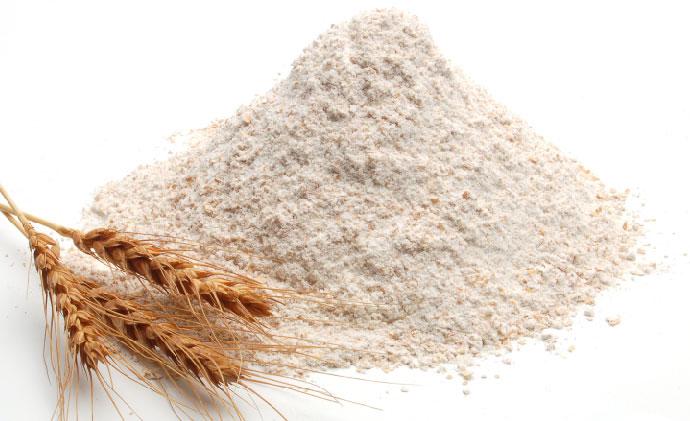
This young grass of the common wheat plant is a must-have for a healthy diet. Look at some of the nutrients you get from it: iron, magnesium, calcium, amino acids, vitamin C, vitamin A and vitamin E. And, if that is not enough, wheatgrass is also high in chlorophyll, a much-needed ingredient that is lacking in most diets.

Flaxseeds:

Flaxseeds are a staple in the eastern Mediterranean region, consumed in the form of oil, added to meals or taken as plain seeds. In the last few years, flaxseed oil has gained popularity, as many studies have revealed that it can help manage cholesterol levels. Other benefits of flaxseeds include managing diabetes, cancer, heart disease and inflammation.
Flaxseeds are another rich source of Omega-3 fatty acids, folate, magnesium, dietary fibre, vitamin B6, copper, phosphorus and manganese.
Sweet potatoes:

Sweet potatoes deserve more praise than they get. They are the best source of beta-carotene, which is then converted into vitamin A in the body. Forget carrots, sweet potatoes are the best source of beta-carotene. In addition, one cup of sweet potatoes gives you great amounts of vitamin C, potassium, fibre and vitamin B6.
Blueberries:

We all know blueberries are one of the best sources of antioxidants. They help us fight off chronic diseases, reduce oxidative stress and slow down the aging process.
Cinnamon:

If you are looking for a spice you can add to any food, look no further than cinnamon. This sweet spice has many life-enhancing properties. In the olden days, cinnamon was the most valuable spice and was traded at the rate of gold.
Some of the health benefits of cinnamon include improving brain function, lowering bad cholesterol, fighting urinary tract infections, reducing inflammation in the stomach, improving metabolic rate and helping us lose weight.
About the author:
Written by Vanessa Rhodes on 03 July 2018.
Join our Circles to share, discuss and learn from fellow parents and experts!
Looking for expert tips and interesting articles on parenting? Subscribe now to our magazine. Connect with us on Facebook | Twitter | Instagram | YouTube
Comments
Edit
Comment Flag
Cancel Update