
Omega-3 Rich Foods For Kids: Know The Benefits, Sources And Recommended Dosage
Monali Bordoloi
From sharper focus in school to better overall health, omega-3 fatty acids for children play a vital role in development. Discover how they support growing minds and bodies, which everyday foods are rich in them, and the common childhood conditions they help manage
- 11.3K
- 2
- 1

As parents, we’re always looking for ways to give our children the best start in life—whether it’s through the food they eat, the activities they do, or the habits they form. One often-overlooked nutrient that can make a big difference is omega-3 fatty acids. These healthy fats are essential for brain growth, learning, and emotional well-being, especially during the crucial years of development.
Why omega-3 fatty acids are essential for your child’s growth
The benefits of Omega-3 for kids are proper brain and body functioning. Hence, they are also called 'essential fatty acids.'
There are three types of omega-3 fatty acids. They are popularly known as EPA, DHA, and ALA. These are crucial for a child's growth, metabolism, and overall health. These fatty acids help the body absorb nutrients. Apart from building immunity, Omega-3 is also vital for healthy brain function and vision.
According to an Oxford University study, the ability to learn shows much improvement if the child eats Omega-3-rich food. Children consuming an Omega-3-rich diet have better memory and reading capabilities. Omega-3 also helps in the cognitive development of the child. A clinical study further substantiates that children on an Omega-3-rich diet have better hand-eye coordination, social skills, and attention span. These children also scored better on intelligence tests.
Omega-3 helps in the treatment of the following conditions in children:
Attention-deficit hyperactivity disorder (ADHD)
Studies have shown that children affected with attention-deficit/hyperactivity disorder (ADHD) often have low levels of Omega-3 fatty acids. When put on an Omega-3-rich diet, they did better in processing emotions and socializing. Omega-3 also helps them become more attentive and complete tasks. It also helps in managing other symptoms of the disorder, like hyperactivity, impulsiveness, restlessness, and aggression.
Type 1 diabetes
According to studies, Omega-3 can fight many autoimmune diseases like type 1 diabetes, where the immune system of the child mistakenly attacks its own insulin-producing cells in the pancreas, thereby depriving the body of enough insulin. Children given enough omega-3 during the first year of their life are said to have a reduced risk of several autoimmune diseases.
Asthma and upper respiratory infections
There is sufficient evidence to believe that if expecting mothers take Omega-3-rich food, asthma and wheezing attacks in their children can be reduced. Studies also proved a link between omega-3 consumption and lower risk of asthma in children and young adults.
Childhood obesity
Due to poor eating habits, many urban kids suffer from obesity. Studies showed that the anti-inflammatory properties of Omega-3 are proving to be beneficial in treating childhood obesity.
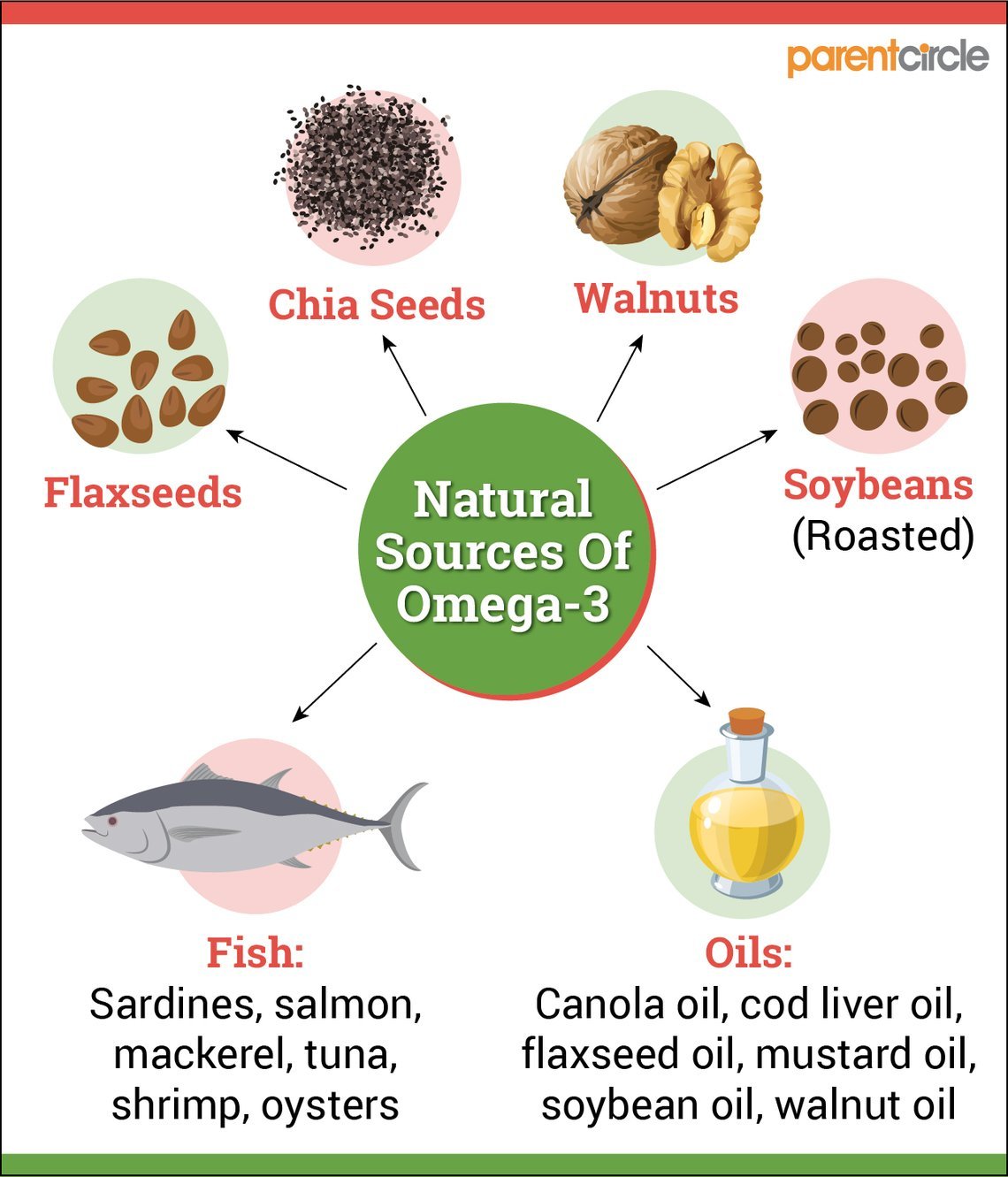
Best sources of Omega-3 foods
We must get the required dose of Omega-3 from our diets as our bodies cannot produce the fatty acids in enough quantity.
EPA and DHA Omega-3 are found mainly in certain fish, while ALA Omega-3 is mainly plant-based.
Most seafood and fish, like mackerel and tuna, have lots of these fatty acids. But for those children who do not eat fish, there are a number of other sources that provide Omega-3 fatty acids. However, experts say that a combination of both plant and marine-based Omega-3 will benefit the child most. Foods fortified with Omega-3 are peanut butter, orange juice, milk, and yogurt. Parents are advised to consult with doctors before starting on an Omega-3 supplement for children.
How Much Omega-3 Does Your Child Really Need?
It's important to note that a child doesn't need to have Omega-3 fatty acids every day. They should get the recommended amount over a week or so. As they grow older, boys and girls may need a different dosage of Omega-3.
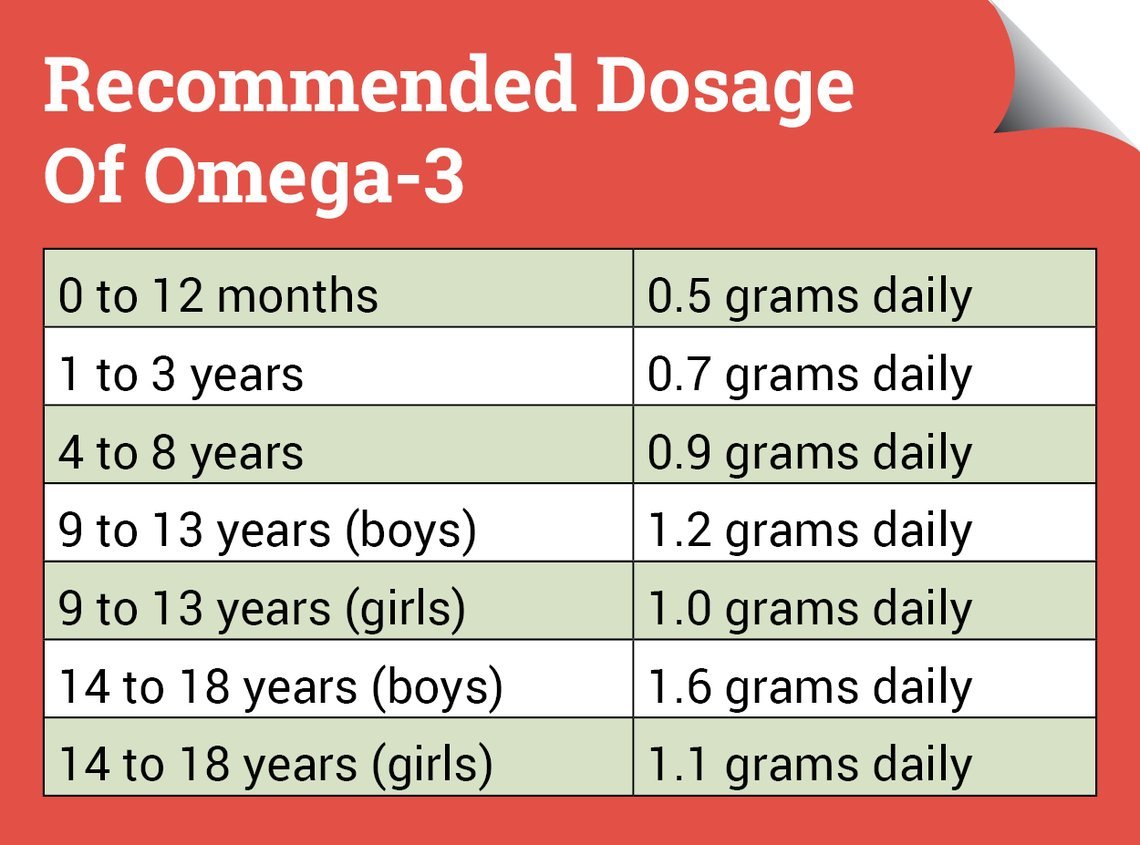
Parents must also note that the benefits of taking Omega-3-rich food will take time to show. For some children, improvements could be seen sooner, like within a few weeks, while some show late improvements. Parents need to be patient and continue feeding their child with Omega-3-rich food even if improvements are not immediate.





























Comments
Jyothi Prabhakar Sep 25, 2020
Edit
Comment Flag
Cancel Update