
The Eye-Healthy Diet: The Best Foods For Healthy Eyesight And Sharp Vision
Shirley Johanna
Add these nutrient-rich foods to your child's meals to boost their eye health. What's good for the eyes is also good for overall health!
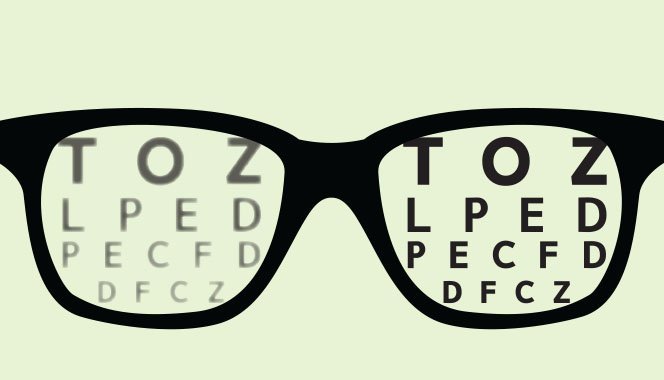
When we think of foods for eye health, the first thing that comes to mind is carrots. But eating carrots alone isn't enough. To maintain your child's eye health help them eat a variety of foods. A healthy diet, good lifestyle habits, and adequate sleep will go a long way in preventing several vision-related problems.
Here are some nutrients that support eye health:
- Vitamins A, C, and E
- Zinc
- Omega-3 fatty acids
- Lutein and zeaxanthin (carotenoids)
Now, let's look at the food sources rich in these nutrients.
1. Green Vegetables
Spinach, broccoli, watercress, and lettuce are packed with nutrients such as vitamins A, C, and B12; calcium; and carotenoids like lutein and zeaxanthin. Research shows that lutein and zeaxanthin protect the eyes from harmful high-energy light waves like the ultraviolet rays in sunlight. High levels of lutein and zeaxanthin in the eye tissue are linked to better vision. Also, studies show that these two antioxidants can prevent age-related macular degeneration (AMD), which affects the central portion of the retina, leading to vision loss in older adults.
Recommended Servings:
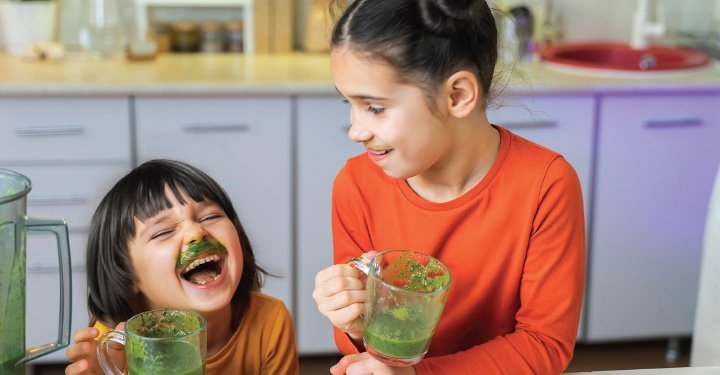
Children should consume one serving (80g) of green leafy vegetables a day. If your child is not a fan of green veggies, try these tips to include more greens in their meals:
- Add spinach to an omelet.
- Make a creamy broccoli soup.
- Blend spinach and other greens, and add them to the dosa batter. You can even add chopped spinach leaves to flour when making rotis or parathas.
- Combine green vegetables with boiled potatoes to make aloo tikkis (potato patties) for an evening snack.
2. Orange and yellow fruits and vegetables
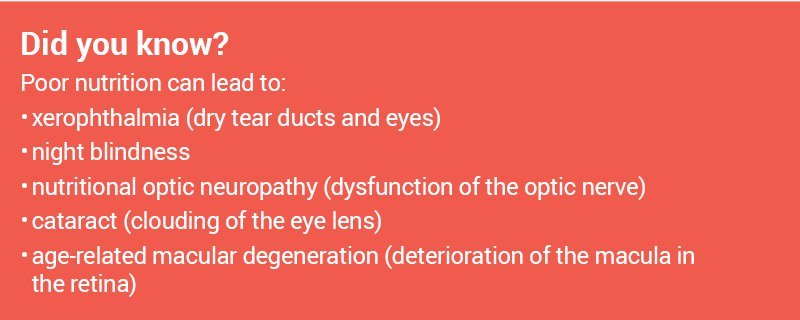
Orange and yellow fruits and vegetables like carrots, pumpkin, corn, muskmelon, mango, and apricots are rich in vitamin A, which helps the eyes adjust to the darkness and see at night. This micronutrient also helps maintain a clear cornea (the outer covering of the eye). Vitamin A deficiency can cause night blindness while low vitamin A levels can dry out the tear ducts and the eyes.
Recommended Servings:
Children should consume two servings (160g) of yellow and orange fruits/vegetables a day.
Tips:
- If your child has a sweet tooth, give them homemade carrot halwa or kheer.
- Serve carrot sticks with yogurt dip as a snack.
- Make nutritious and delicious steamed corn salad, pumpkin soup, or mango milkshake for your child.
3. Fish
Fatty fish like salmon, sardines, herring (hilsa), halibut (bakas), and tuna are good sources of omega-3 fatty acids which are linked to a healthy heart and brain. These nutrients also help improve eye health by fighting inflammation and are considered essential for retinal health.
Omega-3 fatty acids can also prevent eye conditions such as glaucoma (buildup of pressure inside your eye) and diabetic retinopathy (blood vessels in the retina damaged due to high blood sugar levels).
Recommended Servings:
Include fish in your child's diet at least twice a week for healthy eyes.
Tips:
- You can add fish curry, grilled fish, or fried fish to lunch or dinner.
- Make snacks like fish rolls and fish cutlets.
4. Eggs
Eggs are the best food to eat for a healthy vision. Egg yolk contains nutrients like vitamin A, zinc, lutein, and zeaxanthin, which improve the health of the retina. According to the American Optometric Association, zinc plays a vital role in bringing vitamin A from the liver to the retina to produce melanin, a protective pigment in the eyes. Studies show that the mineral also slows down the progression of age-related macular degeneration disease. Although lutein and zeaxanthin are found in green vegetables, our body absorbs more of these compounds from eggs than any other food.
Recommended Servings:
Your child can safely eat one to two eggs each day. Eggs are extremely versatile and can be easily included in meals in the form of:
- Omelet, boiled eggs, scrambled eggs, or poached eggs
- Egg sandwich
- Homemade baked goodies like cakes and muffins
5. Nuts and seeds
Eating nuts and seeds regularly is a great way to maintain eye health. Almonds, walnuts, cashew nuts, hazelnuts, peanuts, sunflower seeds, pumpkin seeds, and flaxseeds are rich in vitamin E, an antioxidant that improves eye health, and omega-3 fatty acids. These two nutrients also prevent dry eye syndrome.
Recommended Servings:
- Children can eat one to two servings (515g) of nuts and seeds a day.
- If your child is not allergic to nuts and seeds, introduce them to these tasty treats.
Tips:
- Sprinkle a teaspoon of flaxseeds into a bowl of oatmeal or your child's favorite smoothie.
- Make a trail mix with nuts and seeds. Your child will love to munch on this snack!
- Blend some nuts, seeds, oats, cinnamon powder, peanut butter, and honey to make energy bars.
6. Other fruits and berries
Orange, lemon, guava, and gooseberry are rich in vitamin C, which is key to eye health. The eye is made up of layers of connective tissue, which in turn is made of the protein, collagen. The collagen levels decrease with age, leading to the development of cataracts. Vitamin C plays a crucial role in collagen production and helps fight free radicals, thereby preventing cataracts.
Include a variety of berries in your child's diet. Research shows that the anthocyanins (red-purple pigments) present in berries, such as strawberries and blueberries, can prevent eye-related diseases.
Recommended Servings:
- Children can consume two fruits a day
- Give your child whole fruits or a fruit salad instead of fruit juice.
- Introduce your child to fruits from a young age so that they develop a liking for fruits.
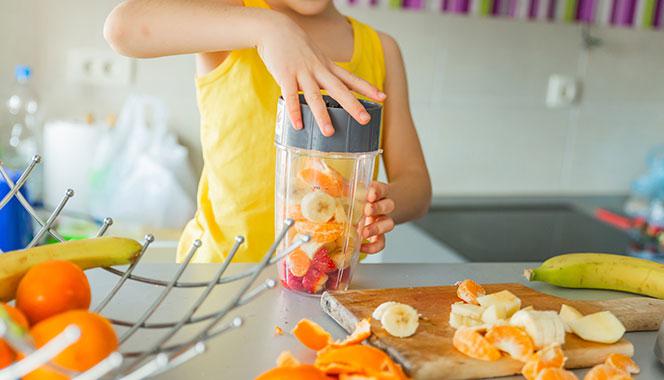
- If your child doesn't like fruits, you can make a fruit popsicle for them. Cut fruits of your choice into small pieces. Mix the cut fruits with tender coconut water, pour the mixture into a popsicle mold, freeze, and serve.































Comments
Edit
Comment Flag
Cancel Update