
Nutrition Week: Physical Activity Roadblocks And Tips To Start Exercising and Stay Fit
Shirley Johanna
Children and adults can benefit from physical activity—so start small and see the big difference!
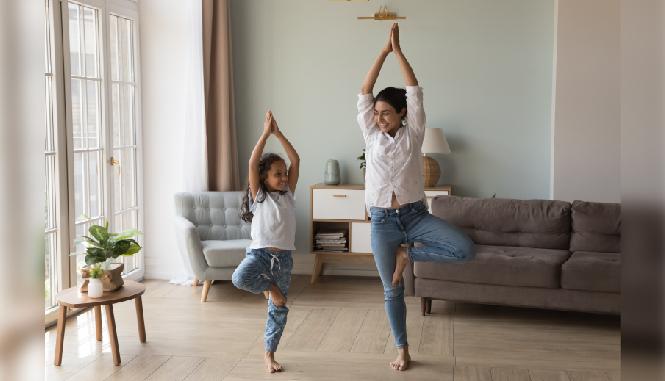
Eating healthy and engaging in physical activities can improve energy, sharpen the mind, and contribute to overall health in both children and adults. The 2016 India Report Card on Physical Activity for Children and Youth found that almost half of children and teenagers do not meet the recommended guidelines for physical activity. Read on to know how to engage in physical activity and boost your and your children’s physical and mental well-being.
PHYSICAL ACTIVITIES FOR YOUNG CHILDREN
Establishing a healthy lifestyle while the children are young is important. To engage children in physical activities, make sure that they have opportunities to be active and that they find activities that they like. School-going children need light to moderate physical activity. To encourage children to be active, provide them with the time and space for free play. Children can try different activities to find out what they enjoy doing. For example, walking, running, riding bicycles around the neighborhood, playing in the park, or engaging in an organized sport like tennis or cricket. Engaging in a variety of games, play, sports, and activities can keep children excited about moving. As children try out new activities, they develop new skills and can identify the activity that they enjoy.
Simple tips to get started
- Create a playtime schedule along with your child
- Plan playdates at the park or playground
- Take them out for a nature walk
- Arrange an activities box — a box filled with the child’s favorite sports item like balls and bats
- Instead of toys, gift items that encourage physical activity, like a cycle or hula hoops
PHYSICAL ACTIVITIES FOR PRETEENS AND TEENS
Preteens and teens need to engage in moderate to vigorous physical activity every day. They benefit by engaging in activities that strengthen their muscles and bones. Preteens and teens need one hour or more of moderate to vigorous physical activity every day. Teenagers can try a mix of sports and other activities. Moderate-intensity activities include brisk walking, cycling, hiking, swimming, and ball games like baseball and softball. Vigorous-intensity activities include running, football, basketball, tennis, and martial arts.
Simple tips to get started
- Let your preteen or teen select their favorite activity
- Help them schedule time for physical activities
- Support their choices by providing sports equipment they need
- Create opportunities for them to be active with their friends
- As a family, go for walks or cycling
PHYSICAL ACTIVITIES FOR PARENTS
As a parent, you may be busy managing family and work, with no time or energy to engage in some form of exercise. But did you know that engaging in physical activity can improve your energy levels? According to the World Health Organization, one in three women and one in four men do not engage in physical activity. Physical activity not only helps maintain healthy body weight but also reduces the risk of developing heart diseases, diabetes and hypertension.
According to the National Institute of Nutrition, adults should engage in moderate-intensity physical activity for a minimum of 45 minutes at least five days a week. Examples of moderate-intensity activities are brisk walking, light jogging, badminton (recreational), and cycling (at a moderate pace).
If you have been following a sedentary lifestyle, the simplest way to get moving and improve your health is to start walking. Walking is an easy form of exercise that can be done anywhere. If you are not able to exercise for 30 to 45 minutes at a stretch, you can break it up into short bouts of activity throughout the day.
Simple tips to get started
- Create a weekly active plan and stick to it
- Do not overdo it. Start gradually and increase the intensity
- Find a partner to exercise with, or form a walking group or yoga group
- Schedule a morning workout, or exercise when the children are at school or late in the evening
- Be consistent
- Walk to run errands
PHYSICAL ACTIVITY ROADBLOCKS
If you have trouble starting an exercise plan and sticking to it, you are not alone. Despite the best intentions, sometimes it could be a struggle to get out of the sedentary rut. Here are some common physical activity roadblocks and how to get around them.
“Too busy to exercise”: Add a 10-minute activity that you can follow every day. Squeeze in short walks throughout the day. If you are too busy on weekdays, wake up early on weekends and get moving!
“Exercise is boring”: When you find it hard to get moving, try an activity that you enjoy, like trekking, cycling, yoga, Zumba, or swimming.
“Tried exercise in the past and failed”: Before you start exercising again, check your expectations. High expectations only lead to frustration. Set realistic goals that can be easily achieved. Also, instead of obsessing over results, focus on consistency.
Engaging in physical activity is the best thing you can do for your health. Remember that some form of physical activity is better than none. It’s never too late to start your fitness journey!
The Dot movement and coordination program for pre-primary children, focusses on their physical wellbeing and holistic development. The program ensures that physical activity becomes a part of the school routine.


























Comments
Preeti Agrawal Sep 9, 2022
Very informative article!
Yeah, physical activities are must and, exercise is truly uplifting and effective!
Edit
Comment Flag
Cancel Update