
The benefits of healthy food and good nutrition for kids. It is best to start early!
Smitha Suresh
There is no substitute for having a healthy diet. Nutritious food for your toddler and child can lay a healthy foundation for years to come
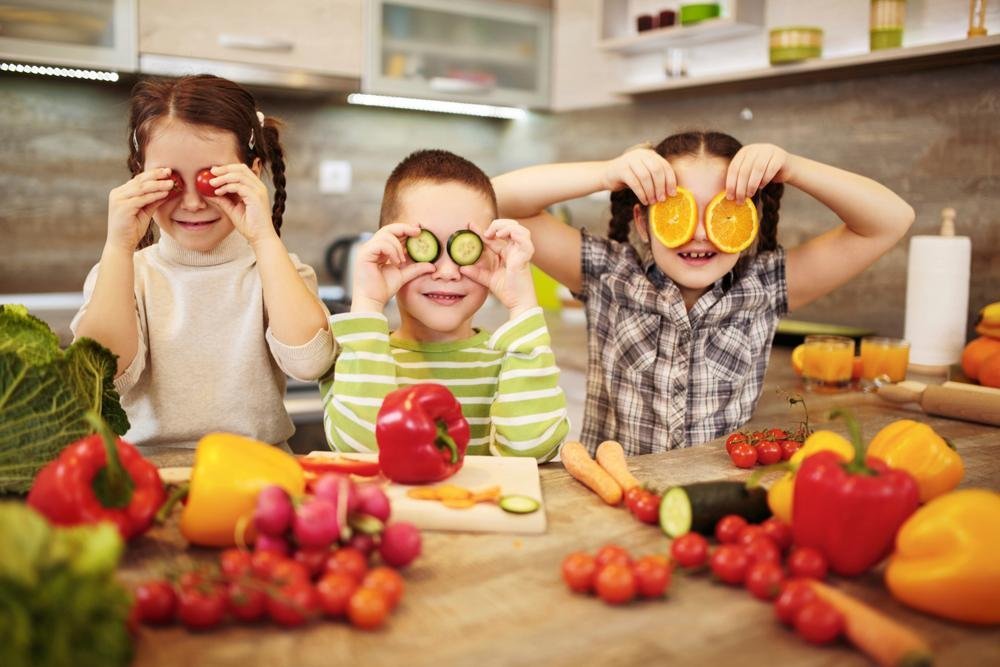
When parents of toddlers hear things like 'biscuits, chocolates and deep fried foods shouldn't be a part of their child's diet', the responses invariably are:
Response #1: 'They're young only once, let them relish all the goodies we ate as children and even the ones we didn't have'.
Food for Thought: You need to ask yourself - Is this a wise thought, considering it could be at the expense of your child's health? Of course not! Well, what if your child has a really healthy snack instead? They would grow a little more and achieve more developmental milestones sooner rather than later.
Response #2: 'They need to have their taste buds stimulated and enjoy these tasty pleasures'
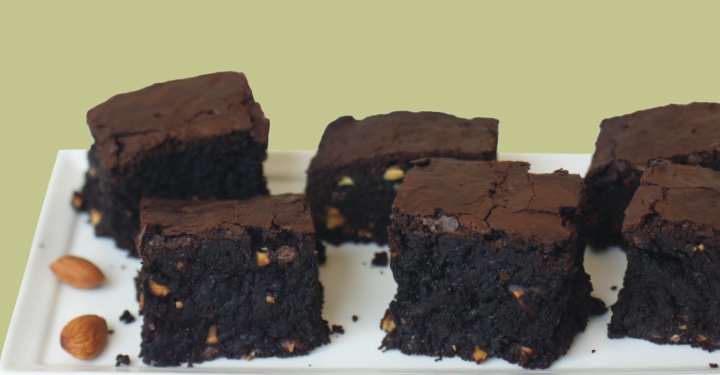
Food for Thought: Sure, no problem. Why not make them at home with whole foods and healthy ingredients, minus the myriad of chemical additives, that can steal your child's health? These artificial, processed 'treats' can deplete your child's body of nutrients, and damage their liver and other important organs. They also increase behavioural problems, harm their digestive tract, and slow growth in general.
Response #3: 'Why should these tender tots have to make such sacrifices?'
Food for Thought: We adults think that switching to healthy foods involves 'a sacrifice of pleasure' for our taste buds. But in reality, food spends the least amount of time in the mouth! What about the real sacrifices your body makes in terms of decreased efficiency and constant dealing with toxins? Good habits need to start at a young age. Make sure your child gets the best (healthy) food all the time.
Why Your Toddler Needs Healthy Habits...
Science has always backed a healthy diet for mothers-to-be, breastfeeding mothers, infants, toddlers, and preschoolers. With the latest advances in the field of genetics, we learn that early nutrition determines health and immunity in the long run as well. This is why pediatricians suggest that tots should be fed nutritious food for optimal growth and development.
2-3 years is typically a developmental phase that is characterized by growth spurts and periods of low appetite.
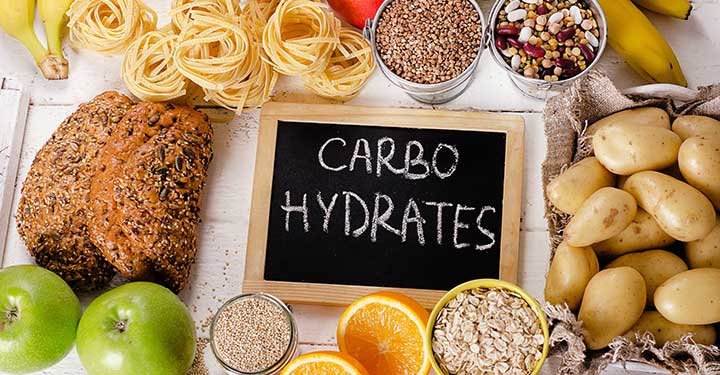
Growth Spurts: These usually last for a week or two. Children usually have a large appetite during this period. Let them direct how much they want to eat. Offer whole grains and high protein foods such as pulses and sprouts, nuts and seeds, milk and curd, and eggs and meat. Carbohydrates are also important and should comprise at least half of their plate. Don't forget raw veggies and fruits for snacks, as these contain valuable phytonutrients required for cell growth. Healthy fats and oils like sesame (til), groundnut, karate (safflower), mustard and olive oil can boost the growth of the child.
Loss of Appetite: This is a completely normal phenomenon too. Phases of loss of appetite are normal among toddlers, but we still need to try our best to fill their stomachs. As parents, you know your child best. If they are not apathetic, fussy, weak, or tired, give it a week, this phase will pass by itself. But, if your parental instinct is telling you otherwise, go ahead and fix a doctor's appointment immediately. Remember, eating junk food is not better than eating no food, so don't offer it. Also, getting angry and forcing your child will cause more harm than good. Be patient, and this phase too shall pass.
Media Influence: Take time to surf through the TV channels your child regularly watches. Most parents monitor only for inappropriate content but miss out on inappropriate food advertising. Processed, high-fat, sugary, and salty treats are portrayed as natural foods in ads. Research indicates that children aged 2-5 years see an average of 12 food advertisements on television each day. Most of the products advertised are considered to be high in saturated fat and sugars. Impressionable children watch this and start demanding it. Parents, not wanting to deal with a tantrum, give in. The correct course of action is to limit TV time. With an older child, one can point out the fallacies of the food and the advertisement. Not sure a 2-year-old will be in any mood to buy your point.
How Schools Can Help
The following are the characteristics of a wellness-friendly preschool:
- A strict 'No food-sharing policy.
- Ensuring each child has access to and drinks enough water.
- Keeping toddlers active. At least 20 - 30 minutes outdoors in moderate weather conditions is a must.
- A strict 'healthy tiffin only' policy with snack options like sprouts, fruit, and salad veggies.
- Birthday celebrations with light cake and/or other limited junk foods.
- Ongoing nutrition awareness programs for kids and parents.
- Vegetable gardening activities to connect kids to the Earth.
How To Introduce Your Toddler To Healthy Habits
Toddlers are usually very adamant about things. When it comes to eating, even more! Within the tight framework, you, as a parent, can ensure your 2-year-old child is eating well and eating right. Here's how you can do it...
Reinforce positive food behavior: At bedtime, recap the healthy food your child ate during the day. Don't complain about what they didn't eat...This isn't a time for raking up mealtime frustrations. Rather focus on the positives and reinforce the good messages you want to convey about healthy foods.
Don't force and stress: Most often, negative reactions encourage children to test their boundaries and get attention. Just keep calm and do what is needed, even if it is tough to do so at that moment. This is a powerful parenting tactic.
Lead by example: The best environment to teach is the one where you are walking the talk. Children do as you 'do', and not always as you 'say'.Remember this and learn how you can orient yourself to fitness and good nutrition.
Let'em munch: Now that your toddler has their full set of milk teeth, let them exercise their jaws. Give them raw, crisp, crunchy foods to chew. Try corn-on-the-cob, raw sprouts, crunchy apples, and carrots. Also, foods tough to chew are high in fiber.
Take lessons: Learn about different foods and their nutrients. Teach your toddler about the individual components of their lunch and how it impacts their health. For example, carrots are great for bright eyes, green leaves are great for iron and energy, pulses and eggs for strength, and so on. When children hear that the food they eat has a function in the body, they are more readily aligned to healthy eating.
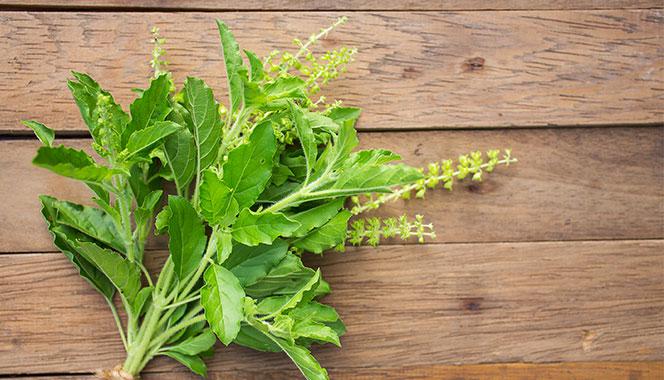
Tiny food tasters: Before adding natural flavors like ginger, saunf (fennel), jeera (cumin seeds), cinnamon, nutmeg, cloves, call your child to indulge in some tasting. Ask them if they can feel the taste of the added ingredients in the finished product. Making a game out of it will help them identify their taste buds and sensitize them to natural flavors. In the process, it might alter your perception of food too!
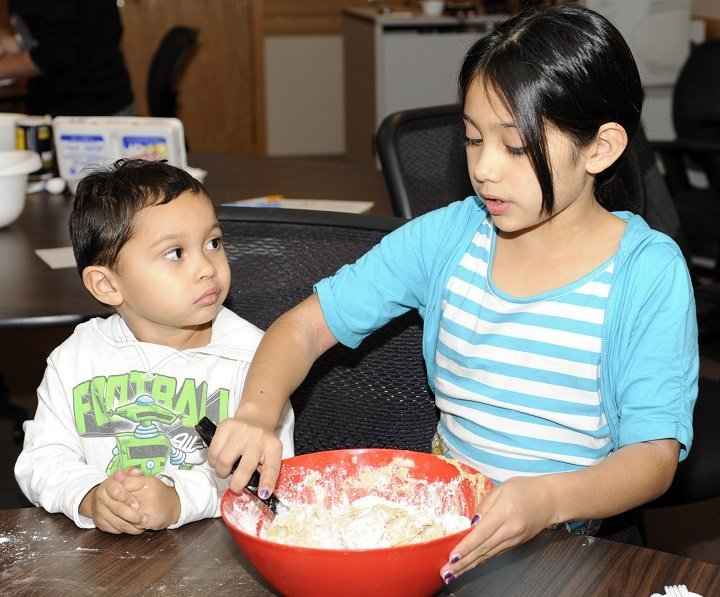
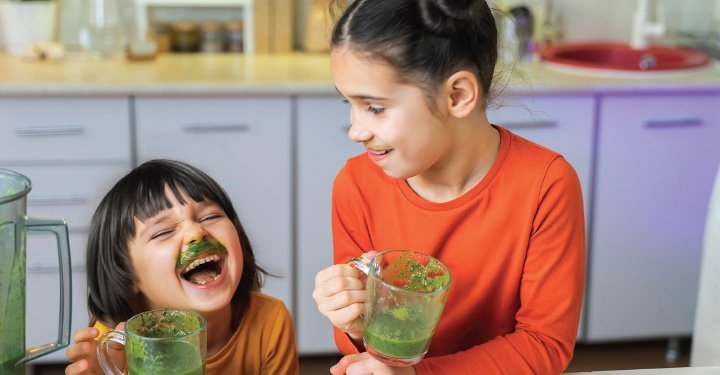
Little chef: Have your preschooler help you in the kitchen. They can help to wash vegetables, green leaves, cut with child-safe ceramic scissors, and mix chapatti dough. Are these difficult for a 2-year-old? Maybe yes. But, let things get messy... your child is more likely to relish their preparation. Invite them to watch the milk boil, the bread bake, and the grinder whirr. Even better, ask them to sniff the aromas of the kitchen. They ought to become a foodie!
Grow your veggies: Involve your toddler in the process of planting vegetable saplings. Use this time to teach their about plants turning the energy of the sun, nutrients in the soil, air, and water into food!
As parents of toddlers, we should be proactive and vigilant regarding their food habits. It is also important for both parents to send the same message about wellness and eating habits. Ultimately, for the good of the child, set food-related rules and follow them strictly.
Did You Know?
|
The Dot health and safety program for pre-primary children places strong emphasis on good nutrition and making wise food choices. We educate children on the importance of a balanced diet and provide guidance on selecting healthy foods, thus laying the groundwork for lifelong nutritious eating habits.

























Comments
Edit
Comment Flag
Cancel Update