
Top 20 Essential Good Habits Every Parent Must Teach Their Children In The Early Years
Dr Priscilla J S Selvaraj
Good habits learned during early childhood stay with children for life. From kindness and responsibility to hygiene, gratitude, and self-discipline, here are 20 essential habits parents can nurture in the early years to help children grow confident, respectful, and emotionally secure
- 140.2K
- 2
- 1
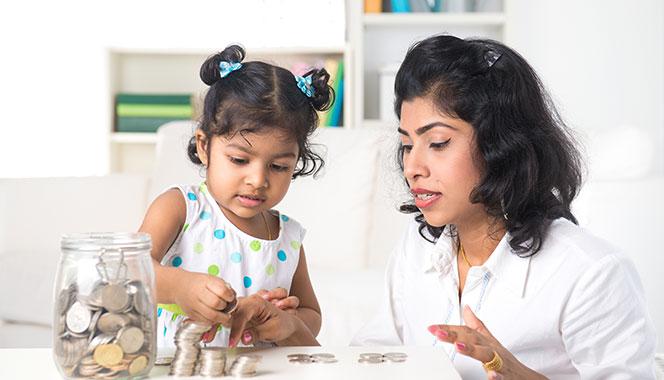
While most parents may focus on their children's health and education from the preschool stage, what happens when it comes to good, healthy habits for kids? Parents believe that the child will pick up good habits naturally as they grow. But parents must realize that children need help to learn good habits from the toddler stage. Here, we list out 20 good habits you can practice daily with your kids!
20 Good habits parents must teach their kids
Here is a list of good habits parents can teach their kids:
1. Making 'reading' a habit 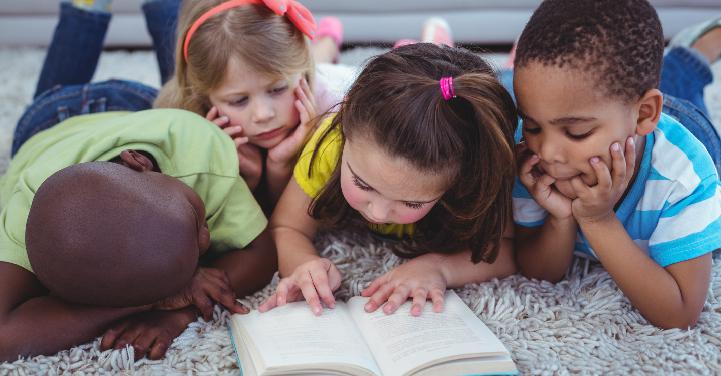
The reading habit opens up the gateways of knowledge for your child, apart from serving as a healthy pastime. Let your child realize that books can become one of their best companions.
2. Playing outdoors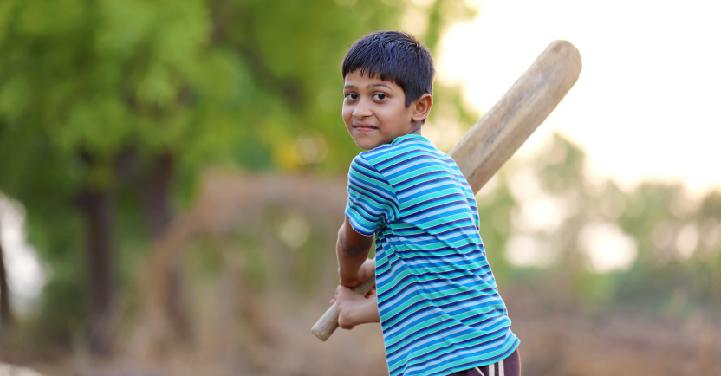
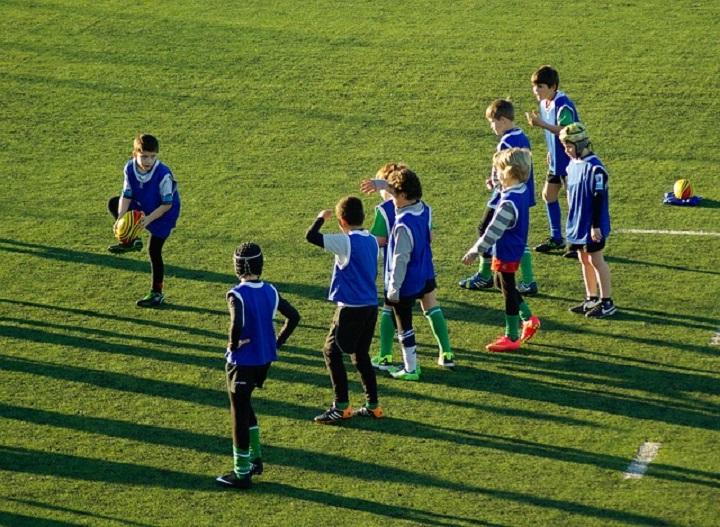
Rather than being a couch potato, encourage your little one to spend time playing outdoors. This will not only ensure physical fitness but also help develop their cognitive abilities. A skipping rope is a great way to engage kids.
3. Saving money
Get your children a piggy bank to teach them the habit of saving. Let them watch the savings grow over time and feel proud of themselves.
4. Conserving resources
Whether it is water or electricity, let your child learn to save these precious resources. Help your child learn to turn off the tap and lights when not in use by doing it yourself every time. Your child will learn to conserve the limited resources and use them mindfully.
5. Limiting screen time
This is a valuable habit for your child to learn early on. With the present generation of children growing up on gadgets, it is very difficult to wean them away from technology once they get hooked. Therefore, regulate the time your child spends on screens. Set an example by regulating your screen time.
6. Being organized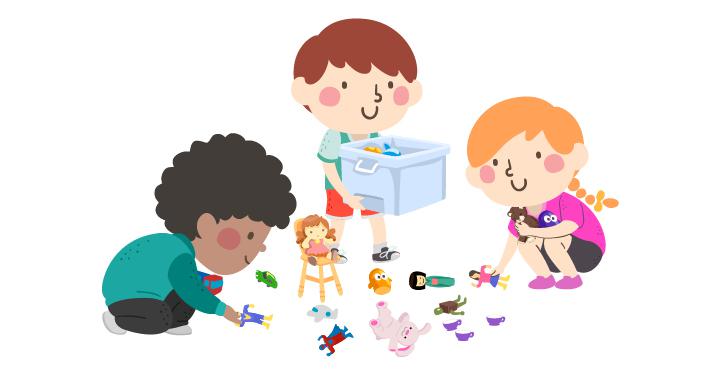
Let your children learn to put back toys and books in their respective places once they are through with them. Show them how to keep things in an orderly manner. Most of our time gets lost in searching for things. Being organized makes your child responsible.
7. Adhering to a routine
Sticking to a set routine goes a long way in making children feel secure and in control of themselves. Help them ease into a routine right from the early days.
8. Adopting a friendly attitude

Encourage your child to socialize with their peers. Making friends and keeping friendships is a valuable social skill for life.
9. Following a healthy lifestyle
Good eating and sleeping habits, and physical exercise all contribute to children's health. These are critical for their overall health.
10. Maintaining cleanliness
Guide your children to keep their room clean. Being neat, tidy, and orderly will de-clutter the mind and help them stay calm and focused.
11. Following good personal hygiene habits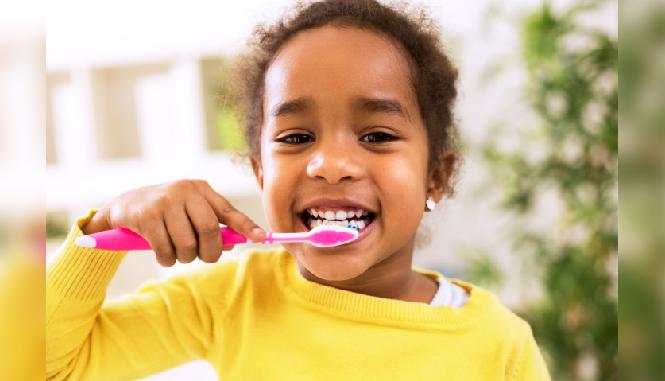
Brushing their teeth, bathing, washing hands before and after eating, not picking their nose, closing their mouth while sneezing or coughing, washing their face, hands, and feet immediately after entering the house—these are some of the habits to include when you train your child on hygiene. Explain how good hygiene contributes to good health.
12. Confiding in you
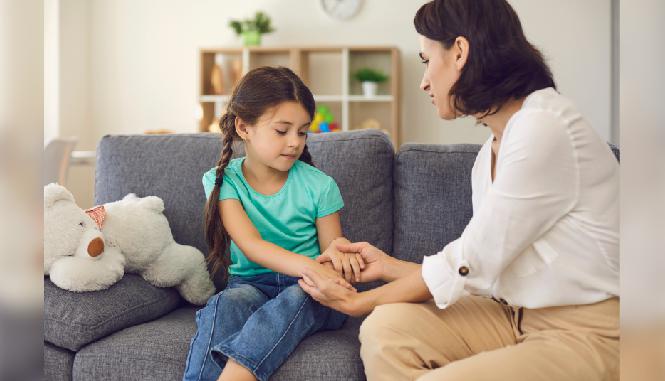
Encourage your child to speak freely to you about anything and everything. Be a patient and quiet listener. Let them share with you all that happened during the day. Encourage them to confide in you. This will prove especially helpful when they are upset, hurt, afraid, confused, or angry.
13. Working hard
Show your child how to use time effectively. They will learn to value hard work when they see its positive outcomes. A lackadaisical attitude to work will get them nowhere.
14. Exhibiting good manners
'Please', 'Sorry', and 'Thank you'—teach your child to use these words whenever required. Also, impart lessons on table manners, conversational etiquette, and behavior in public places.
15. Sharing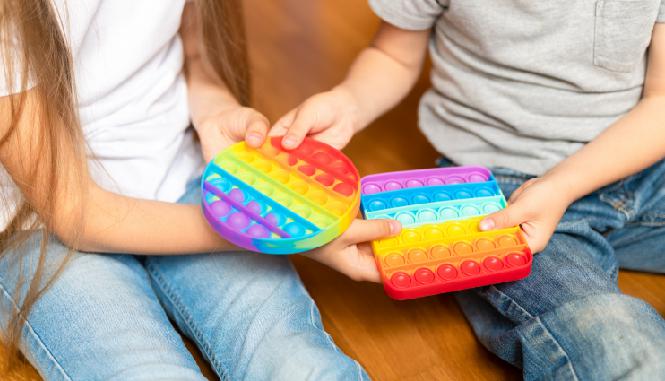
Today's materialistic world can make children selfish. Let children learn the habit of sharing what they have with others. Making them conscious of others' needs helps them to be caring.
16. Extending courtesy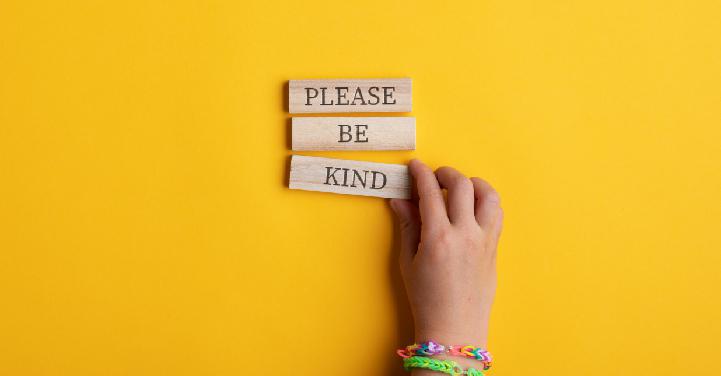
Explain to your children the importance of being kind and courteous. Let them watch you show kindness to family, helpers, and friends. This habit will help them grow into caring and helpful children.
17. Showing respect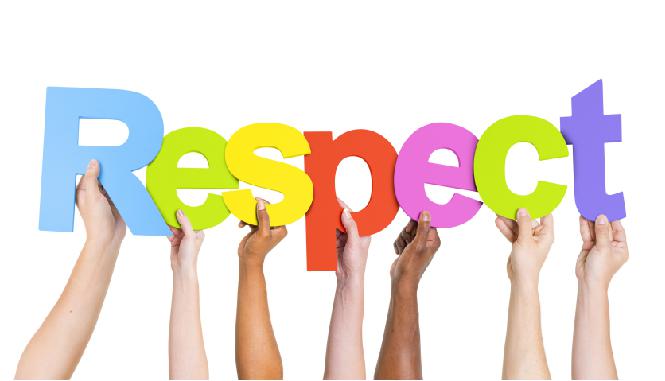
Learning to show respect for themselves and others is an important value children must learn. Show them how to greet people, listen to others' points of view, and stand up for themselves.
18. Being honest
Encourage your children to be truthful. If you catch them lying, ask them to explain the situation, and help them think of a solution to undo the lie.
19. Helping others
Let your little one help you around the house. Give praise for the specific help they render. They will be motivated to practice doing it often.
20. Having patience
Children must learn how to be patient. Show them how to wait for their turn, how to stop and think, and to name their feelings of anger or frustration. This will help them regulate their emotions.
You may also help your child learn these habits through stories, role-plays, or songs. But the best way is by practicing them yourself. Remember the adage, 'Practice what you preach.'
Last updated on: May 29, 2026
At Dot Learning Circle, our health and safety program for kindergarten students is designed to instill healthy habits from a young age. Through engaging activities and interactive lessons, children learn the importance of maintaining good hygiene, staying active, and making healthy choices.
























Comments
Edit
Comment Flag
Cancel Update