
Taking care of your child's eyes during online classes: Tips to prevent eye strain and fatigue
Amrita Gracias
Worried about your child's eyes as they are spending more time in front of screens owing to online classes? Here are a few tips to take care of your child's eyes and prevent eye strain and visual fatigue
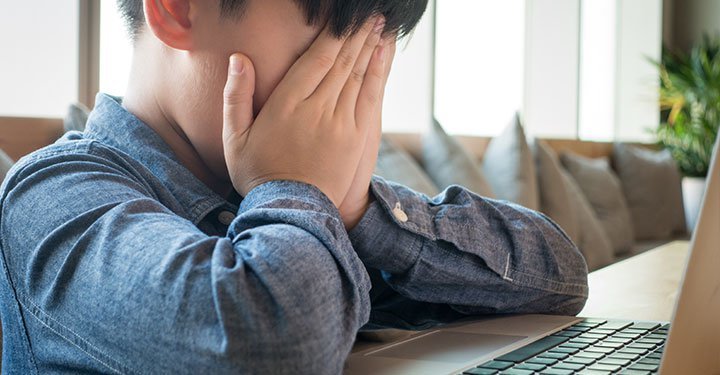
Today, online learning at home has become the new normal for children from lower grades right up to grade 12. But, no matter how well your child would have adapted to this new mode of learning, there would be one major health concern - eye strain due to online classes. Yes, extended screen time for children can have harmful effects on their eyes and vision.
In this article, we discuss how prolonged screen exposure can impact your child's eye health and what measures are needed to prevent eye strain during online classes. Make sure that your child takes these simple precautions and follows a few simple rules to protect his eyes and vision.
Effect of online classes on your child's eyes
With online learning, children are sometimes spending up to six hours or more a day in front of screens for school-related classes and activities. As parents, you are perhaps facing a big dilemma now. On the one hand you have been trying so hard to limit your child's screen time to a minimum, and on the other hand, you have no choice but to allow him to sit in front of the screen for at least a few hours a day! Added to this is your concern about the strain this is going to cause on your child's eyes. Well, your concern is justified. For, research points to the fact that extended screen time is linked to digital eye strain, also known as computer vision syndrome. A study by Sheppard et al published in the BMJ Open Ophthalmology Journal in 2018 suggests that digital eye strain is characterised by several eye and vision-related problems and that continued usage of digital devices can lead to more serious conditions such as dry eye disease or progressive myopia.
Let us look at some of these conditions that your child can suffer from on account of excessive exposure to the screen:
- Dry eyes caused by reduction in blinking while continuously staring at the screen. Regular blinking helps to add a layer of lubrication on the eye's surface.
- Myopia or near-sightedness where you cannot see things clearly unless you are relatively close.
- Blurry vision with difficulty to focus due to staring at the screen for too long.
- Eye fatigue, where the eye muscles are extremely tired due to continuous use, leading to headache and eye pain.
So, how do you identify if your child is suffering from any of these problems? Here are the most common symptoms of digital eye strain to look out for.
Symptoms of computer eye strain
- Frequent headaches
- Eyes feel extremely tired all the time
- Watery eyes
- Burning or itching sensation in eyes
- Frequent rubbing of eyes
- Blurry or double vision
- Difficulty in keeping eyes open
- Sensitivity to light
Let's now look at some eye health tips and measures that your child can follow diligently to avoid eye strain.
How to protect your child from eye strain during online classes
1. Adjust screen position
The closer the screen, the harder your child will require to focus her eyes to get a sharper image. This can result in eye strain. So make sure that the device screen is positioned at a safe distance - at least a foot away for a smaller device like a mobile phone, and two feet or at arm's length for a laptop or desktop. If using a larger screen like a television screen, then there should be at least 10 feet between your child and the screen.
Also, the screen must be placed slightly lower than the eye level. If the screen level is higher, then your child will have to look up at the screen. This can cause the eyes to open wider and result in them drying out faster.
2. Adjust lighting and brightness
The lighting in the room and the brightness of the device screen, if not adjusted rightly, can also hurt your child's eyes. Position the seating arrangement to ensure that no shadows and glare from windows or lights fall on the screen. Sitting in the dark with only light from the screen is an absolute no; the light in the room must be as bright as the screen. Also, make sure to adjust the brightness on the device to a duller setting so that the screen is more comfortable to look at. You can adjust the color settings on apps and software as well to protect your child's eyes from strain.
You can also consider buying computer eyeglasses for your child to wear when looking at the screen. Many major brands have come up with non-prescription computer glasses that are designed to protect the eyes from overexposure to gadget screens. However, if your child is wearing a prescription lens, it is best to consult an optometrist on what kind of lens is suitable for him.
3. Increase text font
Here's another setting on the device that you can adjust - the font size. Increasing the font size to a comfortable level will ensure that your child can read from a minimum distance between her and the device without putting too much strain on the eyes. Also, she doesn't need to lean forward all the time. Simple actions like this can help greatly in preventing your child from developing eye fatigue during online classes.
4. Follow the 20/20/20 rule
Teach your child this cardinal rule of screen time. Every 20 minutes he must look away from the screen for 20 seconds while focussing on an object at least 20 feet away. Why 20 seconds? Because it takes about 20 seconds for your eyes to relax. Also, repetitive breaks every 20 minutes from the screen can lessen eye strain. Your child may not be able to measure 20 feet; he can, instead, focus on something a bit far away in the room or perhaps a tree outside his window. Help your child come up with ideas to remember that he must look away every 20 minutes.
5. Break to blink
Now here is something simple for your child to do in between online classes to keep her eyes relaxed - blinking consciously every few minutes. Although blinking occurs almost unconsciously, the blink rate tends to reduce considerably when in front of screens. Blinking is good for the eyes as it helps the eye spread tears across the cornea, which in turn can help prevent dry eyes. This action will also help your child to see better by removing irritants and clearing the surface of the eye. Also, encourage your child to rest her eyes by moving away from the screen if possible for at least 10 minutes every hour.
6. Ensure adequate sleep
Adequate sleep is very essential for your child as a reduction in sleep time can lead to tired eyes. Now that he has extra screen time during the day, ensure that he gets a good night's sleep. Sleep helps clean and refresh the eyes. A minimum of eight hours of sleep is what experts recommend. Ensure that your child's room is free of any digital devices before and during sleep time. Blue light emissions from devices can be disturbing and hamper good, quality sleep.
7. Monitor screen time
Your child is now in front of the screen for a considerable amount of time every day owing to her online classes. This has become the new normal. So, perhaps it only makes sense to cut down on her screen time wherever and whenever you can. Rather than letting her watch television or play video games to wind down, encourage her to indulge in other ways of relaxation - things that don't involve screen time and gadgets. For instance, she can take up activities such as reading a book, artwork, gardening, or anything else that doesn't involve screen time!
8. Schedule daily physical activity
The pandemic has caused children to spend more time indoors resulting in an absolute lack of physical activity. So, ensure that your child spends some time every day outdoors indulging in play or some sport or even just taking a brisk walk. (He must remember though to take all the necessary precautions and safety measures while venturing out). Regular physical activity is known to improve overall eye health and vision.
9. Eat healthy
Without a doubt, a healthy diet can help improve overall eye health. Give your child foods that are rich in vitamins, minerals, and antioxidants. Foods that are rich in Vitamins A and C such as citrus fruits, berries, leafy greens, nuts, and eggs must be included in his regular diet. And, fruits and vegetables that are orange in color - such as carrots, pumpkins, mangoes, apricots - are high in beta-carotene, a form of Vitamin A that is known to benefit the eyes and vision.
10. Model good 'screen-time behavior'
As parents, we need to model good 'screen-time behavior' if we want our kids to follow suit. We must be conscious of the time we spend on screens and ensure that we practice these rules as well. When you limit screen time for your kids, do try and practice the same. Join them in physical activity, position your own device at a safe distance, eat healthy, and ensure you get adequate sleep. When your kids see you practice these eye safety rules diligently, they will be motivated to follow you.
We hope you put into practice these eye care tips to help protect your child's eyes during online classes. Do remember that younger children might need a bit more help and reminders to follow these measures. If your child continues to display symptoms of eye strain, it's best to get his eyes examined by a certified ophthalmologist. In fact, do get your child's eyes examined at regular intervals to rule out any eye-related conditions.
Discover everything about childhood myopia: causes, symptoms, and expert advice on effective treatments





























Comments
Edit
Comment Flag
Cancel Update