
6 Essential Nutrients Every Preschooler Needs For Healthy Growth And Daily Energy
Hima Ann Isaac
author parentcircle author parentcircle author parentcircle author parentcircle author parentcircle author parentcircle
Preschoolers are bundles of energy, and their growing bodies need the right nutrients to stay active and healthy. This guide explains the 6 essential nutrients your preschooler needs to get a balanced diet every day

The first thing a new mother is taught when she gives birth to her child is to hold her newborn close to her chest and feed her with the colostrum (the first milk produced during pregnancy). The colostrum is a perfect mixture of all the required nutrients. Babies who miss out on the colostrum are prone to falling sick often. Thus, children's health is associated with their diet right from birth.
Why preschool nutrition matters for growth, energy, and immunity
Many parents believe that it is right for children to eat anything they want, but the truth is that children's health in the future depends on what they eat during the first five years of life. Yes, children can eat anything they want, but balance is the key.
For your children to have a healthy life free from diseases, you must lay a strong foundation of nutrients in their diet from an early age.
The 6 essential nutrients every preschooler needs daily
Let us look at some of the essential nutrients and foods to be included in your child's diet to meet their nutritional requirements.
Calcium
Calcium is the key nutrient in maintaining strong and healthy bones and teeth. If calcium is not taken in adequate amounts, your child will not be able to attain their required peak bone mass, the maximum amount of bone a person has in life. This will, in turn, result in frequent episodes of falls and fractures and can even lead to osteoporosis.
Sources:
Ragi, black amaranth seeds, whole Bengal gram, whole green gram, whole black gram, horsegram, and green leafy vegetables such as agathi, fenugreek, amaranth, colocasia leaves, knol khol leaves, parsley, and ponnanganni. Milk, milk products, and sesame are very good sources.
Iron
It is a very important nutrient required for the formation of haemoglobin, the component that carries oxygen from the lungs to the rest of the body. Adequate intake of this nutrient will help boost your child's concentration, working capacity, and overall health.
Sources:
Garden cress seeds, turmeric powder, chicken liver, and goat spleen are good sources. Among green leafy vegetables, amaranth is a fairly good source. However, it is important to combine iron-rich foods with vitamin C-rich foods like lemon and gooseberry to ensure maximum absorption of iron.
Vitamins
They are mainly of two types: Fat-soluble, namely vitamins A, D, E, and K, and water-soluble, namely B complex vitamins and vitamin C. Right from performing essential functions like maintaining good eyesight to keeping your child's skin, bones, and gut intact, these vitamins ensure that your child is completely safe from diseases.
Sources:
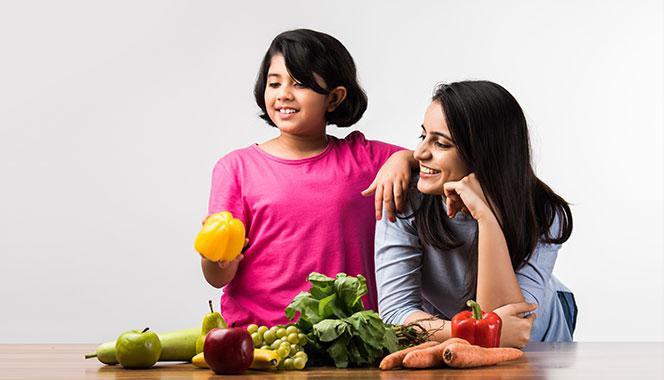
Almost all fruits and vegetables are rich sources of vitamins. Vitamin E is present in nuts and vegetable oils. Milk and milk products are considered to be good sources of vitamin B12.
Potassium
This is one of the important minerals for your child's growth. It helps in the normal functioning of the heart. The WHO recommends an increased intake of potassium from foods like spinach, sweet potato, and fat-free yoghurt to control blood pressure in children.
Sources:
Potassium is present in abundance in all foods, the best sources being legumes and pulses.
Magnesium
Do ensure that your child's diet has enough of this mineral as it aids in the proper development of the bones, maintenance of normal heart rhythm, and the appropriate functioning of the nervous system.
Sources:
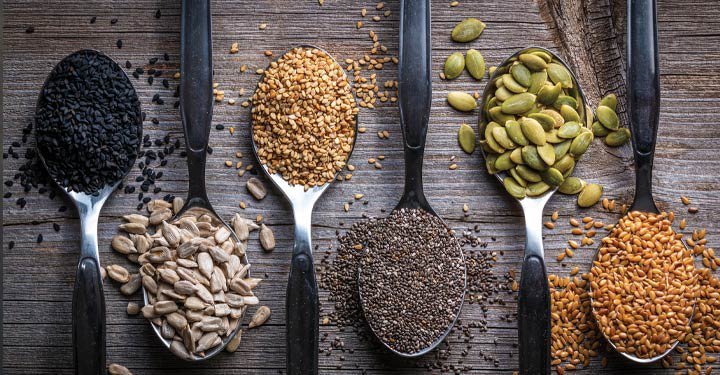
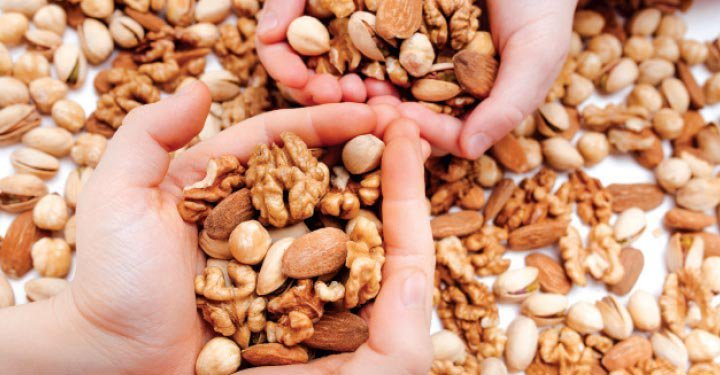
Magnesium is widely present in all foods. The rich sources include nuts like almonds, cashew nuts, garden cress seeds, gingelly seeds; green leafy vegetables like amaranth leaves; cereals like ragi and varagu, and legumes like Bengal gram, red gram, rajma, moth beans, green gram, and black gram.
Zinc
Zinc plays a critical role in the growth and development of a child. The deficiency of zinc restricts growth and decreases the body's resistance to infections, says a WHO study.
Sources:
Cereals like ragi, whole wheat, all pulses, condiments, and spices like oregano, fenugreek seeds, cumin seeds, and cardamom seeds contain zinc. Nuts like garden cress seeds, gingelly seeds, almonds, walnuts, sunflower seeds, and milk products like paneer are good sources of zinc.
Nutrients are important for the overall growth and development of children. However, maintaining optimum health is a challenge today, especially with the prevalence of numerous diseases. You must learn to cope with this challenge by including all the essential nutrients in your child's diet and ensuring their good health in the future.
Last updated on: August 1, 2025
Have insights, questions, or tips to share? Join the discussion on nutrition here.

























Comments
Edit
Comment Flag
Cancel Update