
Dried Fruits And Nuts For Babies. A Look At Benefits And Associated Myths
Dr. Neha Sanwalka
author parentcircle author parentcircle author parentcircle author parentcircle author parentcircle author parentcircle
Confused by the contrasting opinions about the goodness of nuts and dry fruits for babies? Fret not. We analyse the benefits and myths associated with giving dried fruits to babies.
While some nutritionists advocate nuts and dry fruits for babies, calling them a powerhouse of nutrition, there are others who present a different shade. This leaves most parents hassled and confused. So, at ParentCircle, we decided to debunk the myths and present the facts. Here's all you need to know about dried fruits and nuts for babies.
What are dried fruits?
Dried fruits (usually called dry fruits) are fruits that are dried naturally or under the sun or using special dryers. They include raisins, dates, figs, apricots, prunes, sweet lime and kiwis.
What are nuts?
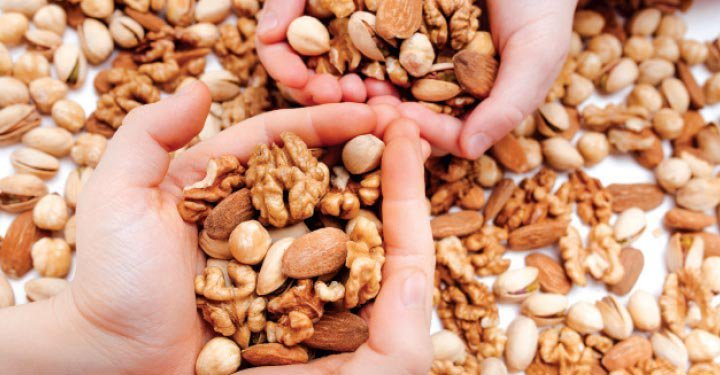
Nuts or tree-nuts are fruits with a hard shell and seeds that are edible. They include almonds, cashews, pistachios, walnuts, hazelnuts, pine nuts, Brazil nuts and pecans.
Are dried fruits and nuts beneficial for children?
Yes, they are. Here are some benefits of dry fruits for babies:
- Dried fruits and nuts are a powerhouse of nutrients. They are concentrated sources of calories, proteins, essential fats, vitamins and minerals.
- As they are rich in proteins and minerals, including them in a child's diet ensures increase in height and weight. In fact, dried fruits and nuts are an ideal food for undernourished children. They help malnourished children gain weight, as they provide all the required micro-nutrients along with calories and fats.
- Dried fruits such as figs, raisins, apricots and dates are very rich sources of fibre. They help maintain good gut health and help prevent constipation in children.
- Dried fruits such as dates, raisins, figs and prunes are also good sources of iron - a nutrient that is important for the production of blood. Therefore, consumption of these dried fruits can prevent anaemia.
- Nuts such as almonds, walnuts and pistachios contain calcium, magnesium and other minerals. These are essential for the formation of strong bones and teeth. They also aid in muscle growth.
- Nuts and dried fruits are also good sources of vitamins and antioxidants such as carotenoids, selenium, B-complex vitamins and vitamin C. All these are essential for healthy eyes and skin, better functioning of all organs and better immunity.
- Nuts such as almonds, walnuts and hazelnuts are good sources of omega-3 and omega-6 fatty acids. These fatty acids are essential for ensuring brain development, improving concentration and enhancing memory.
When should dried fruits and nuts be introduced in children's diet?
Some children are allergic to nuts. Hence, it is recommended that nuts should be introduced in the child's diet only after he completes one year of age. It is further recommended that if a child has a family history of allergy to nuts, they should be introduced in the diet only after the child completes three years. As dried fruit allergies are not very common, they can be introduced in a child's diet when he is around 10 - 11 months old.
In what form can dried fruits and nuts be given to children?
Children between the ages of one and five may not have a very co-ordinated chewing and swallowing action. Therefore, to prevent choking, nuts should be powdered and dried fruits should be chopped very finely or made into a paste before giving them to children.
After five years of age, children may be given whole dried fruits and nuts. But, it is always better to keep an eye on children below the age of ten, to make sure they chew the nuts well and do not swallow them whole so as to prevent choking.
Should dried fruits and nuts be soaked before consumption?
Traditionally, nuts are known to be warm in nature. Hence, it has always been recommended to soak nuts in water for some time before consuming them. It is believed that this tends to reduce the heat. But, there are no scientific studies supporting this belief. However, it is still recommended that nuts such as almonds and walnuts be soaked for four to five hours, peeled and then given to the child. This would improve the absorption of Omega-3 and Omega-6 fatty acids. It is also beneficial to soak dried fruits such as raisins, figs and apricots overnight as it facilitates better digestion.
How much dried fruits and nuts can be given to children?
The maximum amount of dried fruits and nuts that can be included in a child's diet varies for each age group.
- 1 - 2 years: 2-3 nuts and 1-2 dried fruits/day
- 3 - 5 years: 2-3 nuts and 2-3 dried fruits/day
- 6 - 10 years: 4-5 nuts and 2-3 dried fruits/day
- 11+ years: 6-8 nuts and 3-4 dried fruits/day
Are dry fruits safe for children?
Most dry fruits and nuts are absolutely safe for children. However, they should be given only in moderation, without exceeding the daily dietary requirement level. When eaten excessively, dried fruits and nuts can cause diarrhoea. Therefore, they should be consumed in limited portions.
What is the right time of the day to give dried fruits and nuts to children?
Being rich in fibre, dried fruits and nuts have a high satiety value and give a feeling of fullness. Therefore, the ideal time to give them to children is mid-morning or mid-evening. This will also tackle their hunger pangs between meals.
Is there any specific dried fruit or nut that should be included at a particular age in children's diet?
It is beneficial to include 2-3 soaked almonds or walnuts in children's diet, once a day, from the age of two years. These aid in the development of memory and concentration, and improve overall health.
Once children reach puberty and enter adolescence, it is beneficial to include dried fruits and nuts in the diet on a daily basis, as they are storehouses of nutrients. Including dried fruits such as raisins, dates, figs and apricots in young girls' diet is also known to help them cope with menstrual pain.
Doesn't consumption of nuts lead to weight gain?
Dried fruits and nuts are concentrated sources of calories. So, only if a child consumes dried fruits and nuts beyond the recommended intake, would his total calorie intake go beyond his daily requirements. And, that excess consumption may result in weight gain.
Similarly, even though nuts have fats in them, consumption in right quantities do not increase blood cholesterol. In fact, as dried fruits and nuts are rich in fibre, minerals and vitamins, their inclusion in children's daily diet help keep blood sugar, cholesterol and blood pressure under control and prevent obesity. Only when consumption is very high would there be a fluctuation in cholesterol levels, leading to fattening.
Do dried fruits and nuts cause allergies?
Dried fruits are not known to cause allergies. However, a child can be allergic to nuts, including groundnuts, which are actually pulses. Studies have shown that 20-40% of those who are allergic to groundnuts are also allergic to other nuts. Hence, parents of children who have groundnut allergy should be careful when including other nuts in their child's diet.
What are some myths and facts about dried fruits and nuts?
MYTH 1: Dried fruits and nuts only contribute calories and fats to the diet.
- FACT: Dried fruits and nuts are a rich source of many vitamins, minerals and essential fatty acids.
MYTH 2: Dried fruits and nuts help only to increase body weight.
- FACT: Dried fruits and nuts are good for memory, prevent anaemia, build strong bones and boost immunity.
MYTH 3: Dried fruits and nuts should not be given to children who are below the age of five.
- FACT: Dried fruits and nuts can be included in children's diet after they complete one year.
MYTH 4: If a child has groundnut allergy, it means he is allergic to all nuts.
- FACT: If a child has groundnut allergy, it does not mean he is allergic to all nuts.
When to give dry fruits to babies?
Dried fruits and nuts can be introduced to your child when she is around 7-9 months of age. But they should be given in the form of paste or powder to avoid any choking hazards. Dried fruits like dates, prunes and apricots can be cut into smaller pieces before being given as snacks to toddlers. Children can be given whole dried fruits and nuts after the age of five. However, it is still advisable to keep an eye on them to make sure they chew them well.
For children older than five, dried fruits and nuts make a quick and healthy snack option. Raw, dry-roasted and unsalted nuts are the healthiest. However, it is best to avoid nuts and dried fruits with added salt or sugar.
Also, when you introduce nuts in your child's diet, you should consider the possibilities of allergens that your child may react to. So, watch out for that and consult your doctor should you have any concerns.
Top 10 dried fruits and nuts for your child's health
Getting your child to eat healthy is extremely important for his overall growth and development. Dried fruits and nuts are rich in nutrients and come with a host of health benefits for your child. Let's now look at the top 10 dried fruits and nuts and their respective health benefits.
1. Almonds: Rich in phosphorus, almonds help strengthen both bones and teeth. Almonds contain riboflavin and L-carnitine, two key nutrients that can support healthy brain function. Furthermore, they are rich in dietary fibre that curbs overeating and unhealthy snacking.
Nutritive value of almonds (1 serving):
- Carbohydrate - 6.1g
- Protein - 6g
- Fat - 14.01g
- Energy - 163Kcal
2. Walnuts: These are a good source of Omega-3 fatty acids which play a crucial role in your child's brain development. They are also high in minerals such as calcium, iron, magnesium, phosphorous, potassium and zinc.
Nutritive value of walnuts (1 serving):
- Carbohydrate - 3.9g
- Protein - 4.3g
- Fat - 18.49g
- Energy - 185Kcal
3. Pistachios or pistas: They are a good source of essential vitamins such as vitamin A, C, E, thiamine, riboflavin, niacin, pantothenic acid, pyridoxine and folate. Each of these vitamins is essential in maintaining the health of your child.
Nutritive value of pistas (1 serving):
- Carbohydrate - 7.8g
- Protein - 5.7g
- Fat -12.87g
- Energy - 159Kcal
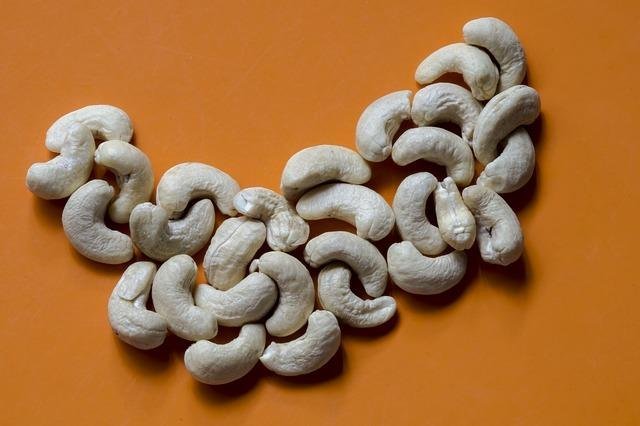
4. Cashew nuts: These buttery nuts contain high levels of antioxidants like lutein and zeaxanthin, which protect the eyes. They also contain high levels of magnesium that contribute to bone growth.
Nutritive value of cashew nut (1 serving):
- Carbohydrate - 8.6g
- Protein - 5.2g
- Fat - 12.43g
- Energy - 157Kcal
5. Pecans: These fibre-packed nuts aid in digestion and facilitate regular bowel movements. For children who suffer from constipation, pecans can help relieve the condition. As a good source of vitamin B3, pecans help reduce fatigue in children.
Nutritive value of pecans (1 serving):
- Carbohydrate - 3.9g
- Protein - 2.6g
- Fat - 20.4g
- Energy - 196Kcal
6. Dried apricots: These are high in dietary fibre, potassium, copper, niacin, iron and vitamin E (?-tocopherol) that are essential for a child's development. They are particularly beneficial to eye health because they contain the highest amount of vitamin A (3604 IU/100 g).
Nutritive value of dried apricots (1 serving):
- Carbohydrate - 62.6g
- Protein - 0.51g
- Fat - 3.4g
- Energy - 241Kcal
7. Dried prunes: They contain high levels of antioxidants called phenols, which protect the cell membranes from damage caused by free radicals. They are also a good source of vitamin C which helps boost the child's immune system.
Nutritive value of prunes (1 serving):
- Carbohydrate - 89.1g
- Protein - 3.7g
- Fat - 0.73g
- Energy - 339Kcal
8. Dates: These are packed with energy and are a good source of minerals like calcium, sodium, phosphorus, magnesium, potassium and zinc. They contain the highest amounts of iron. This helps prevent anaemia, a condition caused due to iron deficiency. They also contain vitamins like thiamine, riboflavin, niacin, folate, vitamin A, vitamin B6 and vitamin K.
Nutritive value of dates (1 serving):
- Carbohydrate - 75g
- Protein - 1.8g
- Fat - 0.15g
- Energy - 277Kcal
9. Raisins: A great alternative to sugary treats, children love to eat raisins. Studies have shown that raisins contain antibacterial properties that can reduce oral bacteria that contribute to dental cavities. Raisins are natural laxatives that help improve digestion and bowel movements.
Nutritive value of raisins (1 serving):
- Carbohydrate - 22.4g
- Protein - 0.9g
- Fat - 0.13g
- Energy - 84.76Kcal
10. Figs: These are a good source of calcium and phosphorus, which foster the formation of the bones. They are also rich in fibre, and hence help in easy digestion. Studies have shown that figs possess certain liver-protecting properties and help prevent jaundice, which is common among infants and children.
Nutritive value of fig (1 serving):
- Carbohydrate - 63.9g
- Protein - 3.3g
- Fat - 0.93g
- Energy - 249Kcal
Top dried fruits and nuts recipes for your kids
Dried fruits and nuts are a must in every diet, as they are rich in nutrients, and come loaded with proteins, fibres, antioxidants and healthy fats. But, what if your child doesn't like them? Worry not. Here are some super-quick delights that can be made with nuts and dried fruits to treat your little one. These simple bites are bursting with crunch and goodness that both you and your child will relish!
1. Dates and nuts roll
If your child cringes at the sight of dates, these exciting dates and nuts rolls are bound to spike his interest. They are also rich in vitamins, iron, calcium and minerals.
Ingredients:
- 250g dates (seedless)
- 150g almonds (chopped)
- 150g cashews (chopped)
- 2 tsp cucumber seeds
- 3 tsp poppy seeds
- 1 tsp ghee
- tsp cardamom powder
Method:
- Heat half a teaspoon of ghee in a pan and roast the almonds, cashews and cucumber seeds. Leave it to cool on a plate.
- Put the dates in a mixer-grinder and grind to a paste.
- Heat the remaining ghee in the pan. Add the dates paste, nuts mixture, two teaspoons of poppy seeds and cardamom powder. Mix well on low heat.
- Remove from stove and allow to cool slightly. Roll the mixture into a cylindrical shape, one inch in diameter.
- Spread the remaining poppy seeds on a tray and roll the cylinder over it.
- Wrap the cylinder securely with aluminium foil.
- Using a sharp knife, slice it into inch-thick rolls.
- Remove the foil from the individual pieces and serve.
2. Nourishing nuts and raisins burfi
Raisins are a wonderfully juicy source of energy and carbohydrates. This burfi made from raisins and nuts is full of nutrients and energy. Colourful, healthy and tasty, your little one won't find it easy to resist this delicious sweet!
Ingredients:
- 100g cashew powder
- 2 tbsp honey
- 4 drops food colour (any colour of your choice)
- tsp cardamom powder
- For the filling:
- 100g cashews (chopped)
- 100g almonds (chopped)
- 100g raisins
- 1 tsp cucumber seeds
- 1 tsp poppy seeds
- tsp ghee
- tsp cardamom powder
Method:
- In a pan, heat ghee. Roast the cashews, almonds, cucumber seeds and poppy seeds in it. Allow them to cool on a plate.
- Put the raisins in a mixer-grinder and grind to a smooth paste.
- Keep the pan on low heat. Add the nuts mixture, cardamom powder and ground raisins. Stir for a minute. Remove from the stove and cool slightly.
- Use your hands to mix thoroughly. Shape into one-inch round balls and keep them aside.
- Heat the pan on a low flame. Add honey, cashew powder, food colour and cardamom powder. Keep mixing for three minutes.
- Remove from stove and let it cool. Make this cashew mixture into balls, slightly larger than the one-inch raisin-nut balls.
- Spread a plastic wrap on the counter. Add a drop of ghee and flatten out the cashew balls into circles. Place a raisin-nut ball in the centre of each circle.
- Completely wrap the raisin-nut ball with the cashew mixture and shape into a ball. Cut each ball in half and serve.
3. Colourful cashew flowers
Cashews are a powerhouse of proteins and vitamins. Health and fun come together, packing a punch into this colourful, flowery, cashew delicacy.
Ingredients:
- 4 cups cashew powder
- 1 cup honey
- 2 tsp ghee
- 1 tsp cardamom powder
- 4 tsp roasted poppy seeds
- 4 drops red food colour
- 4 drops yellow food colour
- 4 drops green food colour
Method:
- Boil cup honey in a pan on a low heat. Add one cup cashew powder, tea spoon ghee, tea spoon cardamom powder and a pinch of red food colour. Mix well.
- Make a batch using the same process as in Step 1 with yellow food colour. Also, make a batch with green food colour.
- Using the same process as in Step 1, make a batch without adding any colour.
- Shape the colourless mixture into 1" balls. Keep aside.
- Make slightly smaller balls with the green mixture, even smaller balls with the yellow mixture, and the smallest balls with the red mixture.
- Spread a plastic wrap on the counter. Add a drop of ghee and flatten out the yellow balls into circles.
- Place the red balls in the centre of the yellow circles and shape into balls.
- Flatten out the green balls into circles. Place the red-yellow balls in the centre of the green circles and shape into balls.
- Flatten out the colourless mixture into circles. Place the red-yellow-green balls in the centre of the circles and shape into balls.
- Spread the poppy seeds on a tray and roll the balls in it.
- Using a knife, make a '+' cut at the centre of each ball, the cuts extending half-way deep into the balls.
- Spread out the cuts in the balls to make colourful flowers. Serve the delicacy and enjoy your kid relishing it!
Other ways to add dried fruits and nuts to your child's diet:
- Sprinkle crushed almonds or pecans over a cup of low-fat yoghurt.
- Add chopped walnuts to homemade banana bread.
- Add dried fruits to different types of porridge or pudding.
- Stir a tablespoon of nut butter (almond or cashew butter) into pancakes or muffin batter.
Make it a habit to include dried fruits and nuts regularly in your child's everyday diet. From improving haemoglobin levels and preventing anaemia, to maintaining cholesterol levels and keeping heart disease at bay, dried fruits and nuts are a great source of healthy living. Let your child enjoy their taste and gain their benefits too.



























Comments
Simi Ramesh May 27, 2019
Edit
Comment Flag
Cancel Update