
Healthy fats: Benefits for your child, nutritional value, daily intake and food sources
Team ParentCircle
People look at fats as something that is unhealthy. However, children need fats in limited quantities to stay healthy. In fact, limiting fats may deprive your child of essential nutrients.
Health concerns like heart disease, diabetes, obesity, etc. are on the rise today. One preventive measure adopted by people is to limit fats in their diet. But did you know that some fats can be healthy? Read on to know more.
Fats are broadly classified as healthy and unhealthy fats. Of these, healthy fats are good for the body if consumed in limited quantities, while unhealthy fats, although tasty, are harmful.
Let us look at some of the facts related to healthy fats and why they must be included in our diet.
What are healthy fats?
All fats are not unhealthy. Among the different types of fats, saturated fats and trans fats are the ones responsible for numerous health ailments. The unsaturated fats are healthy fats. Polyunsaturated fats (PUFA) & mono-unsaturated fats (MUFA) are the two types of unsaturated fats. PUFAs are further classified into omega-3 and omega-6 fats. These fats are termed as 'healthy fats' as they perform vital functions in your child's body. These fats help in the development of your child's brain and nervous tissue.
Remember, the body uses fat as fuel. Fats also help in the absorption of fat-soluble vitamins.
Balancing fats and other nutrients
A balanced diet that contains all food groups and provides all nutrients in adequate proportions is essential for a child's overall growth and development. Proteins are the building blocks of our body, while carbohydrates are a source of instant energy. Fiber improves stomach health and fats provide insulation to the body's vital organs.
Yet, all these nutrients are interlinked. Several vitamins and minerals help in the absorption and functioning of carbohydrates, fats, and proteins. Hence, a combination of various nutrients is vital for your preschooler's development.
How much healthy fat can your child have daily?
According to the latest Recommended Dietary Allowances Guidelines by the National Institute of Nutrition (ICMR), a preschooler should normally have around 25 grams (5 tsp) of visible fats in his diet. Visible fat implies added fat (the ghee and oil we use while cooking). The WHO/FAO guidelines recommend that a 3-6-year-old child's saturated fats consumption needs to be restricted to under 8 percent of the total energy intake.
Foods that are rich in healthy fats
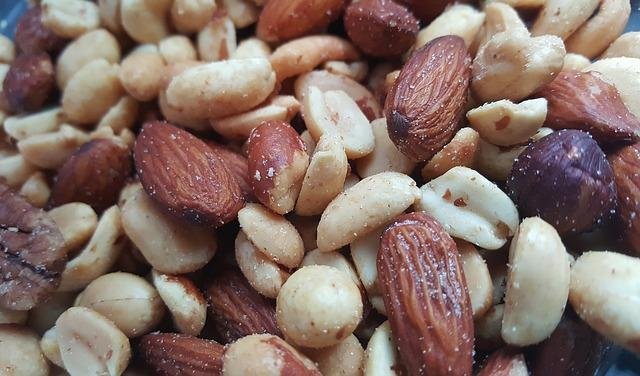
Foods like olive oil, avocado, and peanuts are rich in mono-unsaturated fats (MUFAs) and can be given to preschoolers. Other foods rich in healthy fats include:
- Walnuts, flax seeds, and fatty fish are rich in omega-3 fatty acids.
- Seed oils like sunflower, soybean, and safflower contain Omega-6 fats.
Use these healthy fats in your daily cooking to ensure your child gets his required quota.
Benefits of healthy fats
Healthy fats provide many benefits to children. Fats supply more than double the energy provided by a molecule of carbohydrate or protein. They insulate the tissues of the nervous system and foster cognitive development in children. Fats and oils are a source of essential fatty acids, linoleic acid (LA), and alpha-linolenic acid (ALA).
The human body cannot synthesize these fats. This makes it important for us to consume foods that contain these essential fats. Fat-soluble vitamins can be absorbed by our body only if the diet contains fats. In addition, fats make food tastier and keep you full for longer periods of time.
What is the right age to start on healthy fats?
Babies under 6 months need to be exclusively breastfed as breastmilk contains the required essential fats in an easily digestible form. When complementary feeds are initiated, healthy fats can be introduced into the baby's diet in the form of walnut powder, olive oil added to baby purees, finger foods such as pieces of avocado, etc. After your baby is over a year old, it is mandatory to include healthy fats in his diet.
Method to cook foods rich in healthy fats
Use cooking techniques that enhance or retain the quality of high-fat foods. Here are some examples:
- Extra virgin olive oil must not be heated to a high temperature. It can be used as a salad dressing.
- Seed oils can be used for frying but should not be reheated and reused as it gives rise to unhealthy trans fats.
- Use low-fat cooking techniques like roasting and grilling for fatty fish like salmon to retain its nutrients.
Tips to include healthy fats in your child's diet
Here are some pointers:
- Add nuts and seeds to breakfast dishes for that healthy kickstart to the day. Ground walnuts or flax seeds can be used with other ingredients to make your child's milkshakes and smoothies healthier.
- Use saturated fats judiciously in food preparations. For instance, use butter instead of vegetable oil.
- You can increase your child's intake of fish, which contains omega-3 fatty acids, by cooking their favorite fish recipes.
- Lace your salads with a little olive oil to make them more appealing to your child.
Essential fats are known for building nerve cells, improving immunity, and absorbing vitamins in the body. Cutting down on healthy fats can have a negative effect on your child's health. If eaten in moderation, healthy fats can improve your child's health and contribute to his overall development. So, go ahead and use these ideas to make food fun for your child.






















Comments
Edit
Comment Flag
Cancel Update