

This essential vitamin is a must-have in your child's diet. It helps maintain strong bones and teeth, keeps her skin supple and helps build immunity.

Vinitha is clueless as to why her 12-year-old son, Aditya, is listless, short-tempered and low on energy most of the time. His hair and skin look dull and his wounds are taking time to heal. Of late, he is complaining of muscle pain too. A quick visit to the doctor reveals that Aditya is lacking in vitamin C. As this vitamin has mood lightening effects, people with vitamin C deficiency may become irritable or short-tempered. Dry skin and hair, and pain in the joints are other symptoms of vitamin C deficiency.
One of the most important nutrients, essential for your child's development, vitamin C has some amazing benefits for your child. It helps in building immunity, and maintaining healthy bones and teeth. The good news is that it is found in most fruits and vegetables.
1. The antioxidants in Vitamin C works for the overall well-being of the child and thus help the tiny tots to ward off diseases.
2. A growing child needs Vitamin C for strengthening his bones and tissues, and for healthy blood vessels.
3. Vitamin C is good for keeping the gums healthy.
4. Vitamin C helps the child to absorb iron better, thus keeping iron deficiency at bay.
5. Vitamin C is a boon for outdoorsy kids as it helps in healing cuts and bruises faster.
6. Kids who get a regular intake of vitamin C through natural sources have shorter bouts of common cold and symptoms may be less severe.
The Food and Nutrition Board at the Institute of Medicine of the National Academies has developed a chart for the recommended dietary intake of vitamin C. Let's have a look at the recommended vitamin C intake for kids:
Recommended dietary intake of Vitamin C
For 2-3 years kids: 15 mg of vitamin C daily
For 4-8 years: 25 mg of vitamin C daily
For 9-13 years: 45 mg of Vitamin C daily
For 14-18 years: 75 mg of Vitamin C daily
Most of the fruits and vegetables that are available in the market are packed with Vitamin C.
Fruits
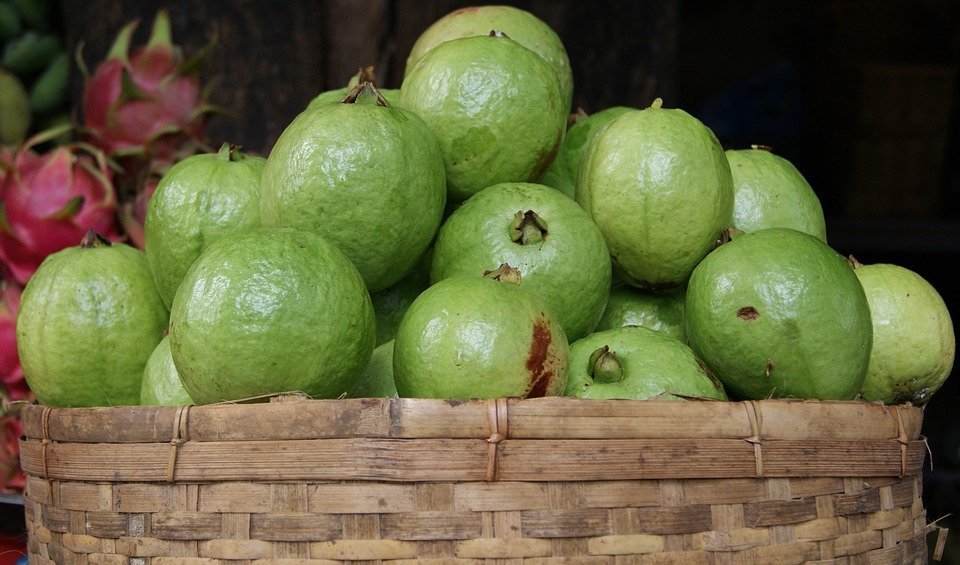
Guava:The seasonal fruit guava is one of the richest natural sources of Vitamin C. Apart from having it whole, children can also have it in the form of guava juice and marmalade.
Berries:

All types of berries which include strawberries, cranberries, raspberries, blueberries have a higher amount of Vitamin C. Children love strawberry because of its bright colour and sweet taste. Rich in antioxidants, one serving of strawberries per day takes care of the nutritional needs of your child.
Cherry:

These bright, red-coloured fruits are rich in Vitamin C. You can top your fruit salads with cherry or serve a bowl of the sweet fruit as an after-school snack.
Amla:

Amla or Indian gooseberry is an excellent source of Vitamin C. It can be eaten raw or dried and made into powder or pickles.
Melons:
Watermelon and muskmelons are rich sources of Vitamin C. Smoothies made from watermelon and muskmelons are a kid's favourite.
Kiwi:

Add kiwi fruit in salads or make smoothies out of them. They will satiate your child's hunger and give them enough vitamin C.
Citrus fruits:
Grapefruits, oranges, lemons, in fact, all the fruits in the citrus family carry high levels of Vitamin C.
Black Current:
Due to its dark purple colour, kids love to have this fruit. It is a very good source of vitamin C.
Vegetables
Instead of opting for vitamin supplements, which should be taken only under medical supervision, dig into your refrigerator for fruits and veggies that are rich in this vitamin.
Looking for expert tips and interesting articles on parenting? Subscribe now to our magazine. Connect with us on Facebook | Twitter | Instagram | YouTube
Comments
Edit
Comment Flag
Cancel Update