
Healthy Vegetable Puree Recipes For Babies And Toddlers: Tasty And Nutritious
Sahana Charan
Want your baby's daily diet to be packed with nutrients and fiber? Here are some vegetable puree ideas for babies and toddlers that are easy to make and pack a punch
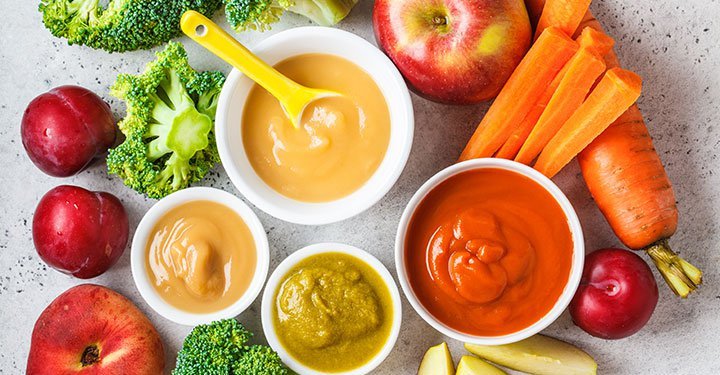
Have you noticed your 6-month-old baby watching you wide-eyed whenever you eat something? Or lean forward excitedly when you offer them a spoonful of brightly-colored, mushy vegetables? Then, it might be time to start them on solids. Giving your baby purees of a variety of colorful vegetables allows them to experience different flavors. Also, it is a great way of transitioning them to solid foods.
When can you feed vegetable puree to your baby?
There are a few things parents need to keep in mind when offering solid foods and making vegetable purees for babies. The American Academy of Pediatrics (AAP) recommends that babies can be started on food other than breast milk or formula by the time they are six months old. According to the AAP, babies who are about 7-8 months old can try foods from different food groups, including vegetables, fruits, grains, and dairy. However, keep the following tips when introducing your baby to different foods:
- When starting your baby on solids, begin by introducing one fruit, vegetable, or grain at a time.
- Wait for 2-3 days before introducing another new food. This way, you will know if your child shows an adverse reaction to the food you introduced them to.
- According to the Centers for Disease Control and Prevention, milk, eggs, fish, shellfish, tree nuts, peanuts, wheat, and soybeans are the most common allergen foods. So, keep an eye on your child when introducing these foods and talk to the pediatrician if you have any doubts.
- Make sure you offer vegetable purees that are a rich source of vitamins, minerals, and other nutrients.
- Begin by giving only 1-2 spoonfuls of foods like vegetable puree to your baby. If they are still hungry, you can feed more.
- Offer a few spoonfuls of food to your little one every two hours.
- Even after introducing solid foods, babies and toddlers must be breastfed (or given formula) on demand.
- Talk to your child's pediatrician before introducing solids to their diet.
While you introduce your child to solid foods, you should also remember that every child is different; so, their nutrition and development may depend on various factors.
Tips to prepare vegetable puree for babies and toddlers
- Always choose the best farm produce, preferably organic, to make vegetable puree for your baby or toddler.
- Preparing the vegetables is an important step. Make sure to thoroughly wash the vegetables, peel them carefully and remove the top.
- You can cook vegetables in different ways: boiling in water, cooking in a pressure cooker, steaming, and baking. Steaming allows vegetables to retain most of their nutrients.
- Ensure the vegetable is well-cooked before making a puree, to avoid indigestion or stomach problems in your baby.
- Offer your baby different vegetables in rainbow colors as they look attractive and are loaded with a variety of nutrients.
- Clean the food processor well before making the puree and ensure you add only filtered and boiled water to it.
Tasty and easy-to-make vegetable puree recipes for babies and toddlers
Age group: 6 to 9 months
Pumpkin puree
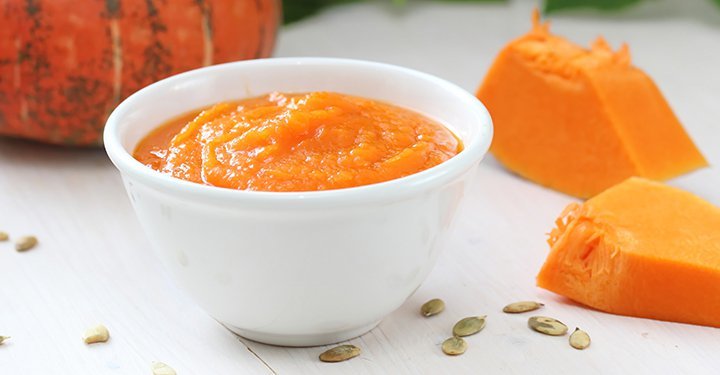
Ingredients
- 100g pumpkin
- A pinch of cinnamon
Method of preparation
- Wash and peel the pumpkin. Dice into medium-sized chunks.
- Place them in a saucepan with enough water. Boil until the pumpkin is soft and well-cooked.
- Puree the pumpkin pieces in a food processor with a little water. You can add a little breast milk while making the puree for a creamy consistency.
- Add a pinch of cinnamon powder for flavor.
Preparation time: 10 minutes
Health benefits: Pumpkins contain copper, potassium, phosphorus, fiber, vitamins A and C. They are full of antioxidants, which help build immunity and protect the eyes and heart. Children will love the mild taste and the beautiful orange color.
Nutritional value: Half a cup of pumpkin puree contains 50 calories: 2g protein, 11g carbohydrates (4g sugars, 3g dietary fiber), 10mg sodium, and no fat.
Carrot puree
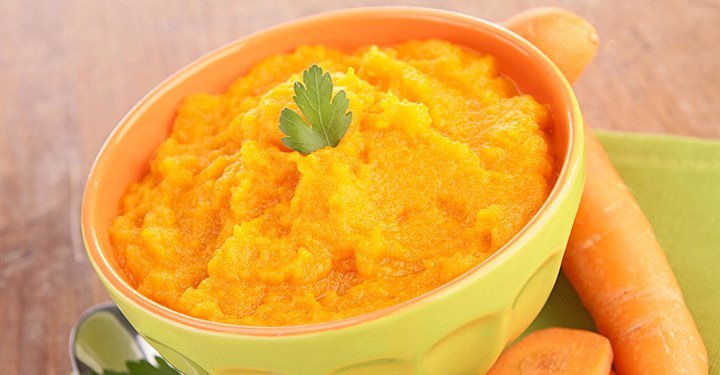
Ingredients
- 1 carrot
- A pinch of nutmeg
Method of preparation
- Wash and peel the carrot.
- Place the carrot in a food steamer. Heat water in a vessel and place the steamer over it. Steam for about ten minutes or till the carrot becomes soft.
- Once cool, puree the carrot in a food processor with a little water.
- Add a pinch of nutmeg powder for a flavor boost. You can add a small spoonful of ghee for added energy.
Preparation time: 15 minutes
Health benefits: Carrots are high in vitamin A, which is good for the eyes. Vitamin C and antioxidants in carrots boost immunity and help fight germs. They are good for maintaining brain and heart health.
Nutritional value: Half a cup of carrot puree has 45 calories; 1g protein, 11g carbohydrates (5g sugars and 3g dietary fiber), 76mg sodium, and 250mg potassium.
Sweet potato puree
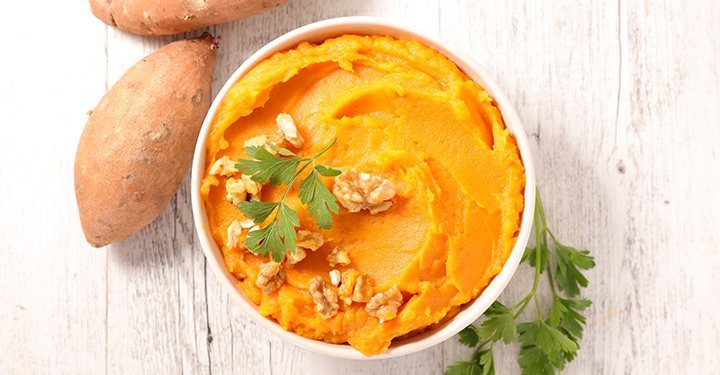
Ingredients
- 1 sweet potato (small)
- A pinch of any spice of your choice (cinnamon/nutmeg/cardamom powder)
Method of preparation
- Wash and peel the sweet potato.
- Cook it in a pressure cooker with adequate water, for about two whistles.
- Check with a fork to see if it is tender.
- Once cooked and cooled, puree in a blender. Add the spice (in powdered form) of your choice and mix well.
- The puree is ready.
Preparation time: 15 minutes
Health benefits: Sweet potatoes contain a variety of nutrients including vitamin A, vitamin C, and potassium. Because sweet potatoes have high dietary fiber content, they help in digestion and prevent constipation. They also contain calcium and iron.
Nutritional value: One medium-sized cooked sweet potato contains 103 calories; 24g carbohydrates (7g sugars and 4g dietary fiber), 2.3g protein, 15mg sodium, and 43mg calcium.
Green pea puree
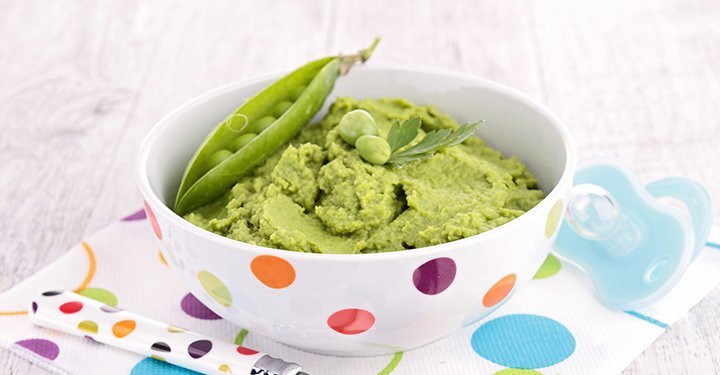
Ingredients:
- 1 cup shelled peas
- A tsp of yogurt (optional)
Method of preparation:
- Boil the peas in a saucepan with adequate water until they turn soft.
- Puree in a blender with a little yogurt or water.
- You can blend other veggies like boiled potatoes or carrots with the peas for a tasty treat.
Preparation time: 10 minutes
Health benefits: Green peas are rich in folate, manganese, and vitamins C and K. They have anti-inflammatory properties and are a good source of antioxidants. Green peas help in regulating blood sugar levels and maintaining good gut and heart health.
Nutritional value: Around 100g of cooked peas contain 84 calories; 16g carbohydrates (6g sugars and 5g dietary fiber), 5.3g protein, 0.22g fat, 27mg calcium, 117mg phosphorus, and 271mg potassium.
Age: 10 to 12 months
Potato-cauliflower puree
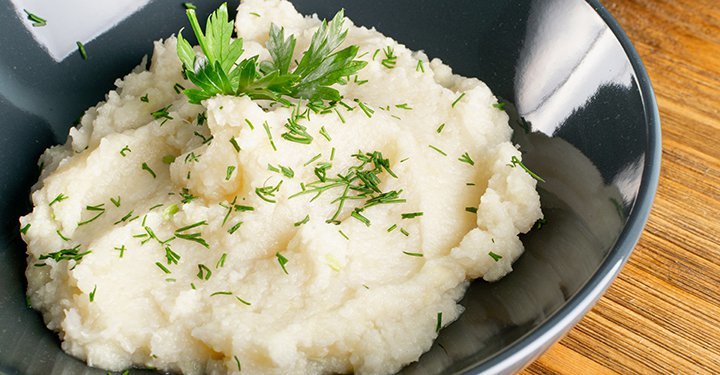
Ingredients
- 1 cup diced potatoes
- 1 cup cauliflower (cut into small florets)
- A pinch of nutmeg
Method of preparation
- Wash and peel the potatoes. Wash the cauliflower florets thoroughly with hot water.
- In a saucepan, boil the potatoes and cauliflower florets. Make sure they are well cooked.
- Drain and cool. Once cooled, transfer to a food processor and puree the vegetables along with a pinch of nutmeg. Add a little water to make a smooth paste.
- Give a few spoonfuls of this healthy vegetable puree to your baby.
Preparation time: 15 minutes
Health benefits: Potatoes are filling for babies and also provide them with a variety of nutrients such as vitamins, magnesium, phosphorus, and potassium. They help maintain a healthy gut and ensure good skin. Cauliflowers are filled with nutrients that boost immunity, promote digestion, and help build strong bones.
Nutritional value: A cup of potato-cauliflower puree contains 169 calories; 25.4g carbohydrates (3g sugars and 5g dietary fiber), 6.3g fat, 4.5g protein, and 372mg sodium.
Brown rice and beetroot puree
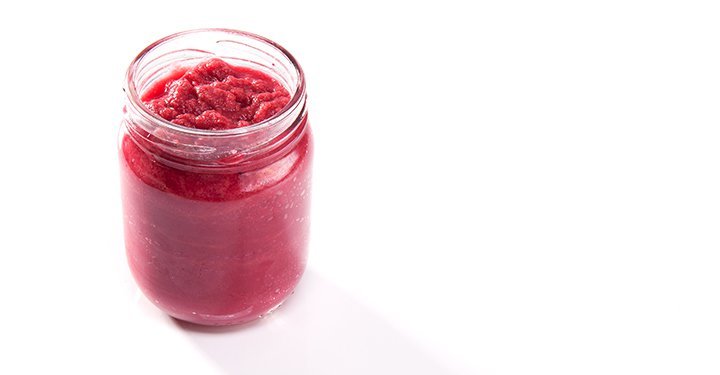
Ingredients:
- 1 cup brown rice
- 1 small beetroot
Method of preparation:
- Soak the brown rice in sufficient water for two hours.
- Wash, peel, and dice the beetroot. The outer skin of the beetroot is difficult to digest, so make sure you remove it completely.
- In a pressure cooker, place the beetroot chunks together with the soaked and cleaned rice with enough water. Cook for 10 minutes or for three whistles.
- Once cooked, cool the mixture. The rice should be mushy and the beetroot, tender.
- Puree the ingredients in a food processor. Transfer to a bowl. The pure is ready to eat.
Preparation time: 15 minutes
Health benefits: Beetroots are loaded with iron, vitamins, and minerals that help in the overall development of your baby. They also prevent stomach problems. Brown rice is a rich source of carbohydrates, protein, iron, vitamins, magnesium, and potassium.
Nutritional value: One cup of cooked brown rice has 216 calories; 45g carbohydrates (3.5g dietary fiber and 0.7g sugars), 5g protein, 1.8g fat, 9.8mg sodium, and 84mg potassium. Half a cup of cooked beetroot has 37 calories; 8g carbohydrates (6.8g sugars and 1.7g dietary fiber), 13.6mg calcium, 0.7mg iron, and 19.6mg magnesium.
Broccoli puree
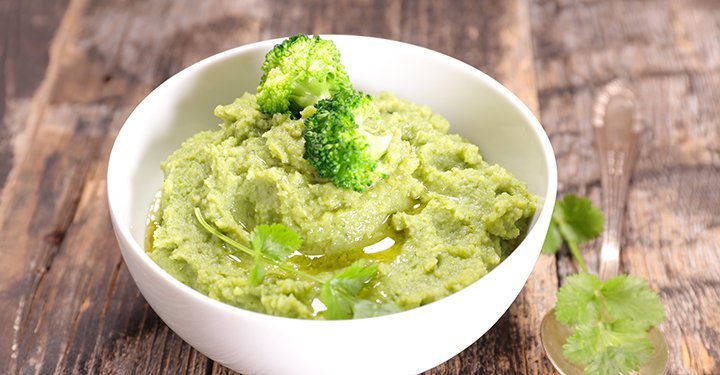
Ingredients:
- 1 cup broccoli florets
- 1 tbsp lentil of your choice (optional)
Method of preparation:
- Carefully rinse the broccoli florets under running water.
- If using lentils, soak them for at least two hours and pressure-cook until mushy. Keep aside to cool.
- In a saucepan, boil some water and cook the broccoli florets in it for about 10 minutes.
- Drain and rinse with cold water. In a food processor, puree the broccoli along with the lentils.
- Feed this delicious puree to your toddler.
Preparation time: 15 minutes
Health benefits: Broccoli is loaded with a variety of nutrients that help improve a baby's gut and eye health, boost immunity and lower the risk of anemia.
Nutritional value: Half a cup of cooked broccoli has 27 calories; 5.6g carbohydrates (1.1g sugars and 2.6g dietary fiber), 1.9g protein, 31.2mg calcium, 0.5mg iron, 229mg iron, and 16.4mg magnesium.
Millet and vegetable puree
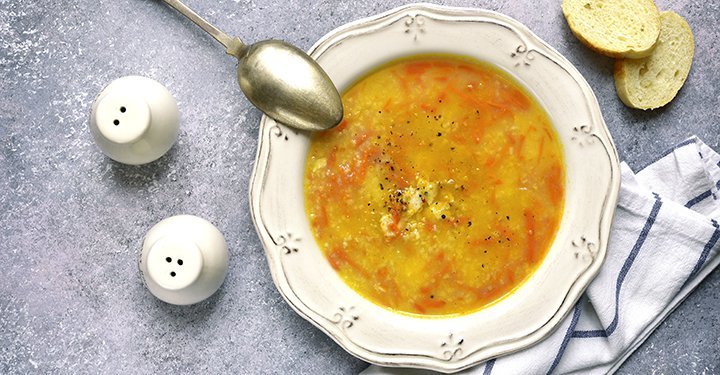
Ingredients:
- 1 cup mixed vegetables (carrot, peas, pumpkin, and so on)
- 3 tbsp millet of your choice (foxtail, finger, barnyard, or pearl millet)
- A pinch of cinnamon powder
Method of preparation:
- Soak the millet overnight or for at least two hours.
- Wash and peel all the vegetables.
- Pressure cook all the ingredients for about 10 minutes or until you hear three whistles.
- Drain and puree in a food processor. Add a little cinnamon powder.
- The healthy puree is ready.
Preparation time: 15 minutes
Health benefits: Millets are highly nutritious and rich in fiber, so they help maintain a healthy digestive tract. They are loaded with iron, Vitamin B, and minerals like calcium, potassium, and magnesium which help in the overall development of babies.
Nutritional value: One cup of cooked millet has 207 calories; 41.2g carbohydrates (0.2g sugars and 2.3g dietary fiber), 1.7g fat, 6.1g protein, 5.2mg calcium, 1.1mg calcium, and 108mg potassium.
Once your little one starts eating solids, they will be excited to try out new foods in different colors and textures. Instead of offering them shop-bought baby food that may be high in sugar and salt, homemade vegetable purees are a good, healthy option.
The Dot health and safety program for pre-primary children places strong emphasis on good nutrition and making wise food choices. We educate children on the importance of a balanced diet and provide guidance on selecting healthy foods, thus laying the groundwork for lifelong nutritious eating habits.
























Comments
Edit
Comment Flag
Cancel Update