
Eating Disorders In Children: Early Signs, Symptoms,Causes And When Parents Should Worry
Team ParentCircle
ParentCircle empowers parents to raise successful children through holistic parenting.
When a child refuses to eat their food or becomes picky about what they eat, most parents feel worried and confused. This parent-friendly guide on eating problems in children helps you understand the difference between normal picky eating and real warning signs, explains when you should be concerned, and shares gentle, practical ways parents can support their child at different ages
Many of us assume that worries around food and body image begin much later in life. But for today’s children and teenagers, these concerns are showing up far earlier than we realise, often quietly, and within everyday family routines and school life.
That concern is not just anecdotal. Indian research also suggests that concerns around food, body image, and disordered eating are increasingly being seen among adolescents in urban India.
What are eating disorders in children?
Eating disorders in children refer to persistent and unhealthy patterns around eating, body image, or weight that begin to affect a child’s physical health, emotions, and daily functioning. Serious cases of eating disorders are manifested in the form of anorexia, bulimia nervosa, and Binge Eating Disorder (BED) in adolescents. Children between the ages of 3 and 6 years who suffer from eating disorders throw tantrums by refusing to eat certain foods. At times, they even dislike the smell of food.
Is an eating disorder a psychological or emotional problem in children?
Eating disorders in children can be a mix of both physical and emotional problems. However, in children between 3 and 6 years, you must consider multiple factors such as distractions, irritability, or refusal to eat.
A child who is a picky eater does not have an eating disorder. Parents need to be patient with their eating habits and try out new ways of feeding them. In some cases, it may even be a sign that the child is hesitant to try new food items.
At what age are eating disorders commonly seen in children?
There is no specific right age at which eating disorders begin. Concerns around food, body image, and weight can appear much earlier than most parents expect, and they don’t always look dramatic at first.
Eating-related difficulties are seen across three main stages of childhood and adolescence:
Early and middle childhood (around 6–10 years)
At this age, children may begin to display strong fears relating to food, texture, choking, weight gain, or body size. Some children become extremely rigid about what they will eat, avoid entire food groups, or feel anxious during meals. These early patterns are sometimes missed because they are mistaken for picky eating.
Early adolescence (around 11–14 years)
This is one of the most common periods when concerns become serious. Puberty, body changes, peer comparison, and increased screen exposure can make children more aware and more critical of their bodies. You may notice increased talk of dieting, skipping meals, guilt after eating, or excessive concern about appearance.
Mid to late adolescence (around 15–18 years)
This is the age at which eating disorders are most often recognised and diagnosed. The behaviours usually become more visible, such as restrictive eating, binge–purge cycles, secretive eating, or compulsive exercise. These begin to affect school, mood, energy levels, and relationships. In general, eating disorders like anorexia and bulimia nervosa are most commonly seen in adolescents.
Importantly, for parents, the key takeaway is: Eating disorders are not only a teen problem. Watching out for early warning signs in primary school years and recognising patterns early makes support and recovery much easier for a child.
Common types of eating disorders in children
According to WebMD, the three main types of eating disorders in children are:
1. Anorexia in children and adolescents
This condition is characterised by the child refusing to eat adequate calories out of an intense and irrational fear of becoming fat. In anorexia, children conceptualise a well-defined body structure for themselves.
2. Bulimia in children and adolescents
In bulimia nervosa, children binge eat (with frequent puking), which leads to obesity. A child suffering from this eating disorder overeats and then purges the food through measures such as vomiting or using laxatives to prevent weight gain.
3. Binge eating disorder in children
This is defined by a child eating more food than needed, but without purging.
How sleep patterns and appetite regulation are connected
One vital thing to keep in mind is the child's sleep patterns, especially between 3 and 5. Sleep duration controls the amount of Leptin secreted by the body. Leptin is the hormone that signals satiety to the brain and thus suppresses appetite. Inadequate secretion of this hormone may lead to obesity.
Signs and symptoms of eating disorders in children
In children between 3 and 6 years, a picky eater is not suffering from an eating disorder. There could be several reasons why the child is not eating certain kinds of food, but parents can look out for these predominant symptoms:
- Temper tantrums
- Irritability
- Repetitive and compulsive behaviour
- Skipping meals
- Obsession with the number of calories in a certain food
- Excessive exercise routine
How parents can support a child with eating disorders
It is difficult for parents to deal with eating disorders in their children, especially adolescents. However, certain steps can help:
Supporting teenagers with eating disorders
Parents must have open conversations with teenagers on the importance of food and nutrition.
Helping picky eaters between three and six years of age
Make food and eating experiences fun, so that your child enjoys eating rather than spending time choosing food. For example, cut vegetables into different shapes and present food in a visually attractive manner.
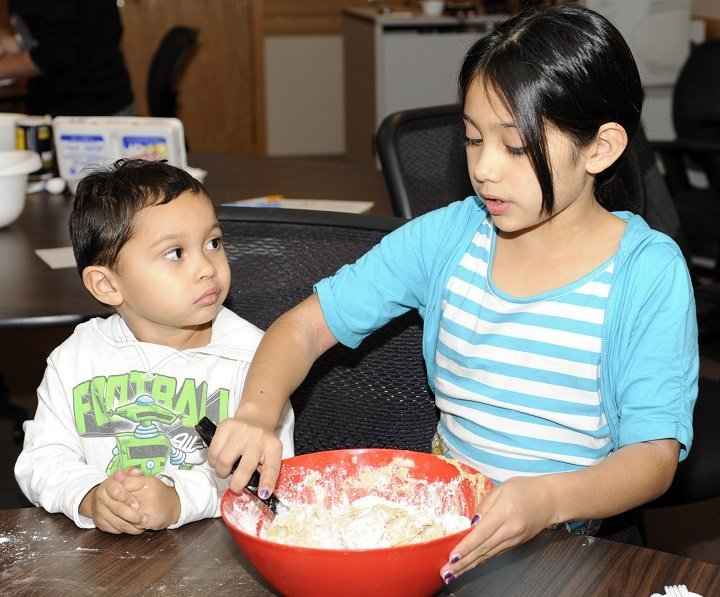
Involving children in food preparation at home
Give them simple tasks like cutting vegetables, mixing water with flour to prepare dough, and let them participate in menu planning.
Eating together as a family and modelling healthy habits
Make it a practice to eat together as a family so you can model wholesome eating habits for the child.
Encouraging curiosity and confidence around food
You can teach your child to do little things like setting the table and preparing salads. Let them experiment with food under your supervision. This involvement can help your child develop an interest in food.
Being flexible and observing your child’s eating behaviour
Parents must be flexible with children, especially when it comes to eating habits. Some children may eat slowly, while others may play with the food before eating. Parents must observe these habits to try to understand their child's eating habits.
It can be unsettling to see changes in the way your child eats, talks about food, or feels about their body. You may not have all the right answers, but stay observant, open, and emotionally connected to your child.
Eating difficulties and eating disorders usually start quietly. You may notice small shifts in food habits, growing self-criticism, anxiety around meals, or an increasing preoccupation with weight and appearance. When parents learn to see these early signs, respond without judgment, and seek timely professional support, children are far more likely to feel safe asking for help.
Most importantly, remember that recovery is possible. With the right guidance, a supportive family environment, and patient, compassionate care, children and adolescents can rebuild a healthy relationship with food, their bodies, and themselves.
Parent checklist: When you are worried about eating disorders in your child
I remind myself that picky eating in young children is not always an eating disorder.
I watch for persistent signs such as skipped meals, extreme food restriction, or calorie obsession.
I notice changes in my child’s mood, irritability, or compulsive behaviour around food.
I avoid forcing, shaming, or bribing my child to eat.
I try to make meals relaxed and stress-free.
I involve my child in simple food preparation and meal planning.
I eat together with my child whenever possible and model balanced eating.
I speak gently and openly with my adolescent if I notice worrying patterns.
I seek professional help early if I feel my child’s eating behaviour is affecting health, mood, or daily life.
Support your child better - Explore strategies to stop stress eating now.
With inputs from Consultant Dr. Sundar C Ingaleshwar, and Consultant Psychiatrist, Dr. Arunita Biswas Srivastava, Columbia Referral Hospital, Yeshwantpur, Bengaluru,
Last updated on: February 09, 2026


























Comments
Edit
Comment Flag
Cancel Update