
Boost Your Immunity With Colorful Fruits And Veggies: The Power Of Citrus And More!
Shirley Johanna
Here we look at how fruits and vegetables can help keep diseases at bay.
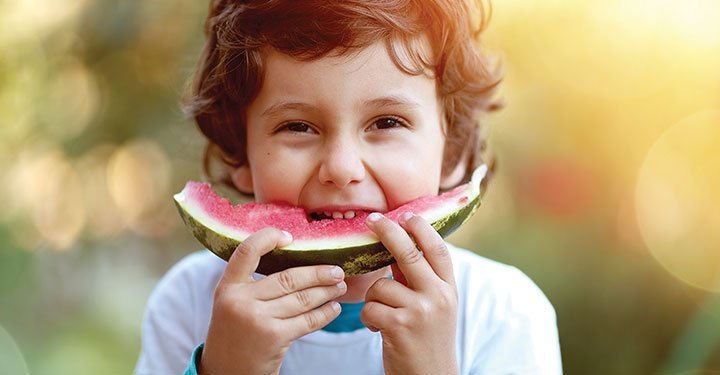
A healthy immune system is important to fight infections. And eating enough fruits and vegetables can help build our immune system. Try to include colorful fruits and vegetables in your diet, as they are loaded with vitamins, minerals, fiber and disease-fighting antioxidants, such as beta carotene and vitamins C and E. Studies have shown that a low-fat, plant-based diet can boost your immunity and may even help you live longer! So let's find out which red, orange, and green, yellow fruits and veggies are good for you and how you can eat them.
CITRUS FRUITS
If you love tangy oranges or sweet lime juice, well, give you plenty of reasons why they are incredibly good for you. Citrus fruits such as orange, lemon, sweet lime and grapefruit contain the essential micronutrient, vitamin C, which is crucial for bone and tissue growth and repair!
Benefits
- Increase the production of white blood cells, which protect the body against infections.
- Help prevent cancer and respiratory infections because of their rich vitamin C content.
- Have anti-inflammatory properties, as they contain plant compounds called flavonoids.
Easy ways to consume
- Although you can eat them raw or in juice form, eating them whole is better, as it will keep the fiber content intact. Fiber will help you stay full longer, while slowing down the absorption of sugars.
- Make a citrus salad with deseeded and chopped orange, sweet lime, and grapefruit (optional). Add chilli and cumin powders to give it a flavor boost. Mix all the ingredients and refrigerate before serving.
- If plain water gets boring, add some lemon slices to it for great taste and nutrition!
- You can even bake a yummy orange cake or muffin as an occasional treat for your child.
POMEGRANATE
Who doesn't love pomegranates with their juicy, ruby-red seeds? The sparkling seeds are rich in vital nutrients, including vitamin E, vitamin K, folate and potassium. That's not all pomegranate has more antioxidants than green tea!
Benefits
- Helps prevent bacterial and viral infections, as it contains punicic acid and punicalagin.
- Prevents cancer and protects against inflammation, as it contains powerful antioxidants called polyphenols.
Easy ways to consume
- Make a no-dressing, no-fuss healthy and tasty salad with pomegranate seeds, cucumber, and apple. You can even toss in a few orange slices.
- If salad is not your thing, drink fresh pomegranate juice, it's much tastier than the store-bought variety!
- Enjoy your pulao or paratha with some refreshing pomegranate and mint raita.
- Add pomegranate seeds to freshly prepared curd rice to make it more nutritious.
PAPAYA
Papaya, also known as pawpaw, has its origins in Central America and Mexico. It's believed that the Italian navigator, Christopher Columbus, called papaya the fruit of the angels.
Benefits
- Protects the body from illnesses and infections, as it is rich in vitamin C. (A medium-sized papaya contains more than 90mg of vitamin C.)
- Helps reduce inflammation and aids digestion because of the presence of papain, a digestive enzyme.
- Promotes overall health, as it contains potassium, calcium, copper, and magnesium.
Easy ways to consume
- You can make papaya halwa (yes!), a delectable Indian dessert, with ripe yellow papaya, nuts, ghee, sugar and cardamom.
- For a delicious stir-fry, use freshly grated raw papaya, tomatoes, ginger and chilli.
- Whip up a flavorful and healthy smoothie with papaya, banana, milk, and yogurt, the kids will love it!
- Make a tropical fruit salad with fresh papaya, mango, and pineapple.
WATERMELON
A juicy, refreshing watermelon is one of the best summer fruits. Mostly made up of water (92%), the watermelon, along with squash, pumpkin, and cucumber, belongs to the Cucurbitaceae family.
Benefits
- Helps prevent diabetes and certain types of cancer, as it contains the antioxidants lycopene and vitamin C.
- Lowers blood pressure because of the presence of citrulline, an amino acid.
- Promotes healthy gut thanks to its fiber content.
Easy ways to consume
- Encourage your child to eat fresh watermelons. To make it attractive, use a cookie-cutter to cut the watermelon into different shapes.
- Start your day with a salad made with watermelon, paneer, pineapple and herbs.
- If your child doesn't like watermelons, try making watermelon jelly.

RED CAPSICUM
Red capsicum or bell pepper, with its mildly sweet flavor and bright color, can make any dish attractive and delicious.
Benefits
- Promotes the formation of red blood cells, as it contains vitamin B6.
- Helps in blood clotting, as it contains phylloquinone, the main type of vitamin K.
- Protects the nervous system because of the presence of a powerful antioxidant vitamin E.
- Prevents cell degeneration, as it contains beta carotene, an antioxidant.
Easy ways to consume
- A simple red capsicum chutney can be a perfect accompaniment for idli and dosa.
- Red capsicum can be added to fried rice, stir-fries, salads, curries, and pulao.
- Stuffed capsicum is a popular dish. The stuffing can be made of vegetables, noodles, rice, or even cheese.
- Make a vegetable roll for kids using red capsicum, paneer, and other vegetables.
BROCCOLI
Broccoli is a green vegetable that resembles a miniature tree. This nutrient-dense vegetable belongs to the cruciferous or cabbage family.
Benefits
- Helps boost aging immune system, as it contains a chemical called sulforaphane.
- Reduces the risk of cancer thanks to its antioxidant content.
- Improves bone health, as it is rich in calcium and vitamin C.
Easy ways to consume
- Make a stir-fry using broccoli, carrot, and paneer. The combination of different colors and textures will encourage your child to eat without a fuss!
- Broccoli cheese tikkis can be the perfect evening snack for your child.
- Stay warm during winter evenings with a warm bowl of broccoli soup.

SPINACH
Spinach is a low-calorie, nutrient-dense superfood that's great for bone, skin and hair health. No wonder it's Popeye's favorite food!
Benefits
- Boosts immune system and cell growth, as it is rich in vitamin A.
- Promotes eye health and improves cognition, as it contains an antioxidant, lutein.
- Lowers blood pressure thanks to its potassium content.
- Strengthens your bones, as it's packed with vitamin K.
Easy ways to consume
- Add some dark, leafy greens to dals, stir-fries or parathas. Try making the classic palak paneer with spinach and paneer. Delicious and simple!
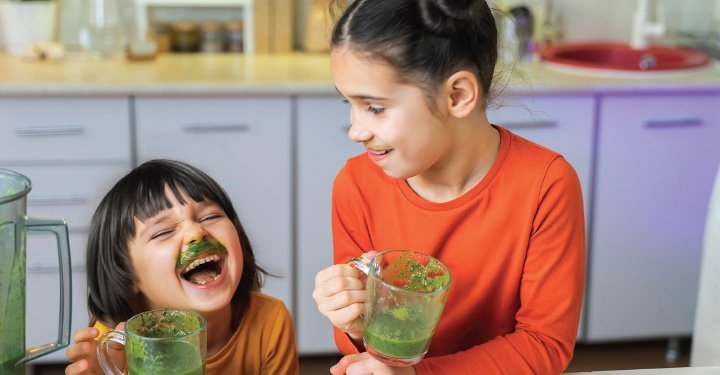
- Add spinach puree to batter and dough for a vibrant green color. Children will love spinach rotis, spinach puris and even spinach idlis.
- Make a comforting bowl of spinach and carrot soup with ginger, onion, and spices, this is seriously good!
MUSHROOMS
Mushrooms are fungi found growing in organic matter such as wood or soil. There are different types of mushrooms, some edible and some toxic. The well-known edible species include button, porcini, shiitake, and oyster.
Benefits
- Support the immune system, as they contain B vitamins and selenium, a powerful antioxidant.
- Prevent certain types of cancer because of their rich antioxidant content.
- Maintain cardiovascular health, as they're rich in vitamin C, potassium, and fiber.
Easy ways to consume
- Saute, grill or roast mushrooms to bring out their rich savory flavor.
- You can add mushrooms to omelets, scrambled eggs, soups, and salads.
- Methi mushroom curry can be a delicious accompaniment for rotis and parathas.
- Mushroom biryani is another flavorful aromatic dish that your child will relish.
No single fruit or vegetable provides all the nutrients you need to stay healthy. So, it's best to eat a variety of fruits and vegetables that not only provide a mix of nutrients, but also help make foods more appealing to your children!































Comments
Edit
Comment Flag
Cancel Update