
Spinach can be a great addition to your baby's diet: Here is how it can benefit your little one
Dr Shyam Kumar
Spinach (palak) is a highly nutritious vegetable with many health benefits. Learn why spinach is important for babies. Also, go through our list of spinach baby food combination ideas
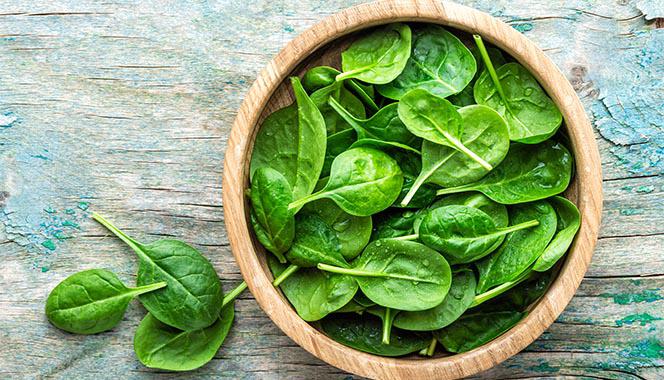
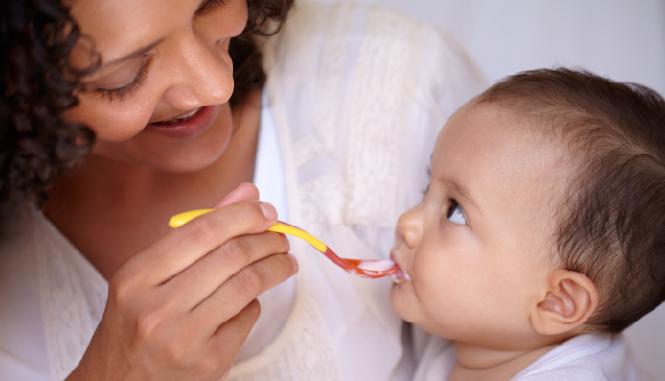
When your baby is between six and eight months old, it is time to introduce her to a variety of solid foods in puréed form. Palak soup for babies is a common first food in India as many parents are aware of the importance of spinach for babies. This wonder vegetable boosts both physical growth and the immune system.
Spinach, a nutrient-rich green leafy vegetable, is packed with antioxidants, vitamins and minerals. Consuming spinach confers numerous health benefits such as improving digestion, lowering cholesterol and reducing cancer risk. Spinach also works wonders for the skin, hair, muscles and bones.
Spinach or palak is a popular choice among vegetables to be introduced in a seven-month-old baby's diet.
This article will guide you on the nutritional value, health benefits and side effects of introducing spinach in your baby's diet. We also explore some tasty spinach baby food ideas to get your toddler interested in having a healthy quantity of this wonder vegetable.
Health benefits of spinach for babies
- Ensures good skin and hair: The antioxidants and nutrients contained in spinach nourish the skin and keeps it healthy and glowing. Vitamin A in spinach has antioxidant potential which ensures healthy skin cells and promotes wound healing. These nutrients also nourish the scalp, reduce hair damage and promote hair growth.
- Promotes bone health: Spinach is rich in vitamin K, which is an essential nutrient in maintaining bone health along with magnesium and potassium. High levels of vitamin K in the blood result in higher bone density and reduce the risk of osteoporosis.
- Prevents asthma: Spinach is rich in beta-carotene, folate and magnesium, all of which play a role in asthma prevention by enhancing immunity and improving airflow in the lungs. The results of a study titled, 'Fruit and vegetable intakes and asthma in the E3N study', by Romieu et al published in Thorax, suggested that 'a higher intake of leafy vegetables, carrots, and tomatoes may have a beneficial effect against adult asthma'.
Nutritional value of spinach, raw (per 100g)
Data based on USDA (United States Department of Agriculture) - National Nutrient Database for Standard Reference |
Spinach for babies: Easy baby food ideas
Here is an extensive list of spinach baby food combination ideas based on your baby's age.
1. Age: 7 to 11 months
- Spinach purée for babies
- Spinach soup for babies
- Spinach and apple purée
- Spinach and carrot purée (carrot palak purée )
- Sweet potato and spinach purée for babies
- Potato spinach soup
- Spinach purée with finger millet flour (ragi)
2. Age: 1 year
- Palak rice for babies (keerai sadam)
- Spinach and carrot rice
- Dal spinach rice (dal palak)
- Spinach khichdi
- Baby kale and spinach salad
- Avocado spinach baby food
- Aloo palak (potato and spinach for babies)
- Spinach chicken soup
- Spinach and peas mash
3. Age: 2 years
- Palak paneer
- Banana spinach pancakes
- Savory spinach muffins
- Cheese and spinach muffins
- Spinach oatmeal pancakes for toddlers
- Cheese and spinach momos
- Roasted spinach chips
- Potato and spinach salad
- Mashed potato spinach patties (spinach kebab)
- Spinach pulao
- Spinach biriyani
- Spinach omelet
- Spinach egg fry
How to select and store spinach for baby food
Choose spinach with dark green, crisp leaves that are without blotches. A thin stem indicates the spinach is young and tender. Avoid yellow or wilted leaves. Store fresh spinach in the refrigerator in a loose bag.
For cooking, discard the stem and rinse the spinach leaves to wash away all the dirt. Place the leaves in a colander to drain the water. Repeat the process twice or thrice.
Side effects and precautions
- Digestive distress: Giving too much spinach can cause stomach cramps, vomiting and constipation in babies. The fiber in spinach causes bloating when it remains undigested.
- Allergies: Some babies can develop an allergy to spinach due to the presence of salicylates in it. This can cause skin rash, itching, breathing difficulty and swelling of the face and limbs. Consult a pediatrician if your baby shows symptoms of spinach allergy.
- Hindrance to mineral absorption: Spinach contains oxalates which prevent the absorption of calcium and iron. It is prudent to give a moderate amount of spinach to your baby to reduce oxalate intake.
Spinach is a superfood that is essential for the overall well-being of your baby and her development needs. Go ahead and try out the easy baby food ideas above for your child.


























Comments
Edit
Comment Flag
Cancel Update