
Nutritional Food Requirements For Children Aged 0–5: Essential Tips For Healthy Eating Habits
Sherly Ganesh
Not sure what to feed your little one? Here’s a quick guide to the must-have foods to keep mealtime fun, simple, and full of healthy bites!
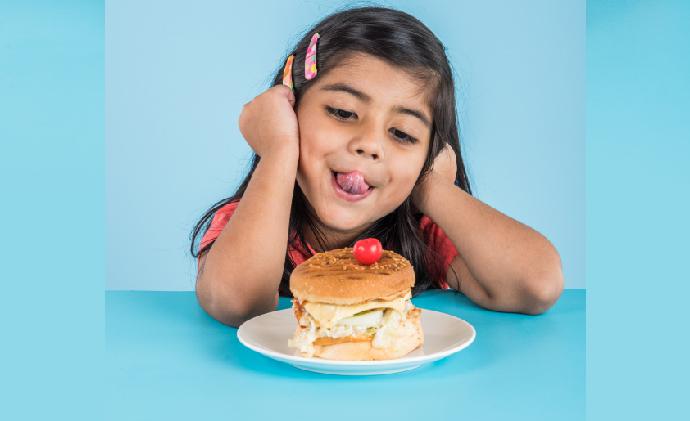
Does your child love gorging on cheesy burgers and potato fries? No wonder! Most kids gobble up chocolates, pizzas, and sandwiches but say 'no' to healthy and nutritious food. Therefore, it is essential to inculcate healthy eating habits in kids early on and give them a balanced diet to ensure their proper growth and development.
But to do this, you need to have a good understanding of infant nutritional requirements and nutrition charts for different age groups.
Here are some tips to help parents fulfil the nutritional requirements of children aged 0-5 years.
Nutritional requirements from 0-6 months
Until babies are 4-5 months old, breastfeeding is the ideal way of providing nutrition. Not only does breast milk fulfil their nutritional requirement, but it also boosts their immunity. Any transition to other sources of nutrition should begin only after a baby is six months old.
Nutritional requirements from 6-12 months
While you continue to breastfeed your baby, once they complete six months, breast milk can be supplemented with fresh orange and sweet lime fruit juices extracted at home. Also, it is better to feed a 6-month-old baby from a cup instead of a bottle.
Nutritional requirements from 1-5 years
- Infants and young children can self-regulate the number of calories they need. Therefore, consider demand feeding and avoid overfeeding young children.
- While offering foods to children, you must consider their overall nutritional value rather than focus on any one nutrient.
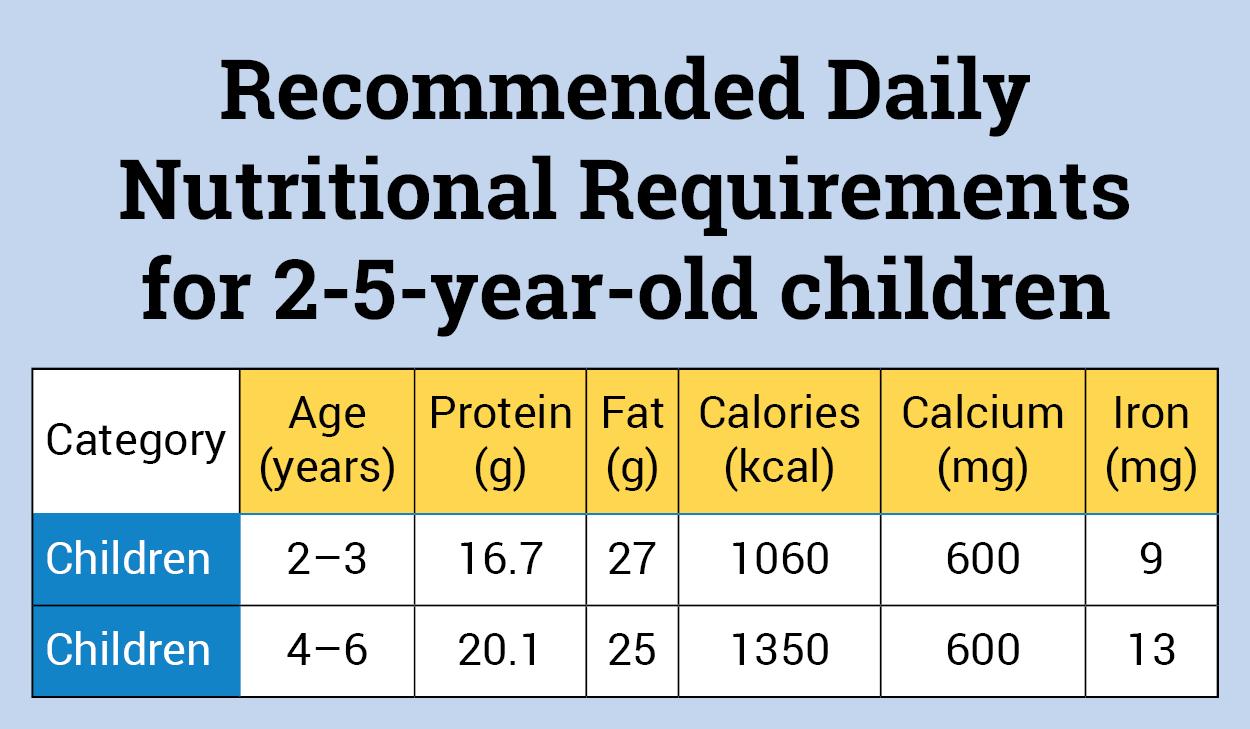
- Children under three years of age require foods rich in fat. They need at least 27g of fat every day, compared to 25g required by 4 to 6-year-olds.
- Keep your child away from processed food items.
- Consider a variety of foods to fulfil the body's requirement of carbohydrates, proteins, vitamin B12, iron, zinc, and other nutrients.
- Ensure that the diet provides the optimum number of calories needed for proper growth and development.
- Encourage your child to engage in at least 40-60 minutes of vigorous physical activities that increase their heart rate. Some such activities are jumping, dancing, and running.
- Offer fruit juices and milkshakes if your child does not like eating fruits.
Last updated on: July 31, 2025
Have insights, questions, or tips to share? Join the discussion on nutrition here.
The Dot health and safety program for pre-primary children places strong emphasis on good nutrition and making wise food choices. We educate children on the importance of a balanced diet and provide guidance on selecting healthy foods, thus laying the groundwork for lifelong nutritious eating habits.



























Comments
Standard Cold Pressed Oil Jul 29, 2019
Sherry Thomas Jul 20, 2018
Edit
Comment Flag
Cancel Update