
Wondering whether millets are a healthy option for your baby? Here's what you need to know
Luke Coutinho
Read on to know more about millet health benefits for babies, and the nutritional value and side effects of commonly grown millets in India
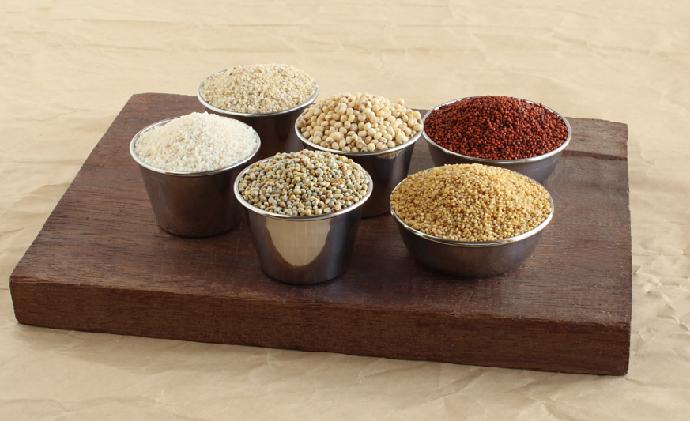
Millets are traditionally known to be among the first grains consumed by early men. They are gluten-free, alkaline, and full of nutrients such as magnesium, potassium, calcium, manganese, tryptophan, phosphorus, B vitamins, and antioxidants.
Also, millets are found to be beneficial in aiding weight gain and loss. They are complex carbohydrates that have a low glycaemic index (carbohydrates that are more slowly digested, absorbed, and metabolized and cause a lower and slower rise in blood glucose and, therefore insulin levels). They provide dietary as well as prebiotic fiber. This makes them an excellent food for people with diabetes, and for those trying to lose weight.
Regular consumption of a variety of millets decreases triglycerides and C-reactive protein (the protein that measures the level of inflammation in your body).
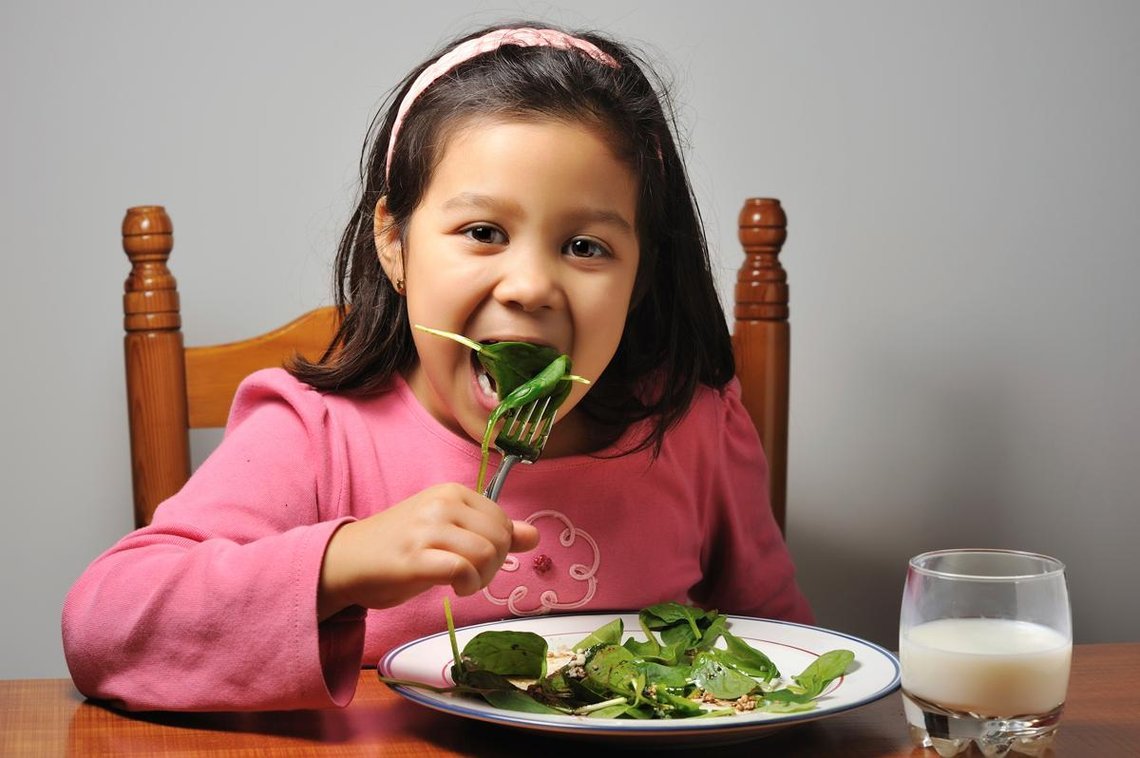
Today, we top the charts in obese children because of wrong eating habits and a sedentary lifestyle. Hence, it's important to introduce the right foods into their diet at an early age.
Millets for babies
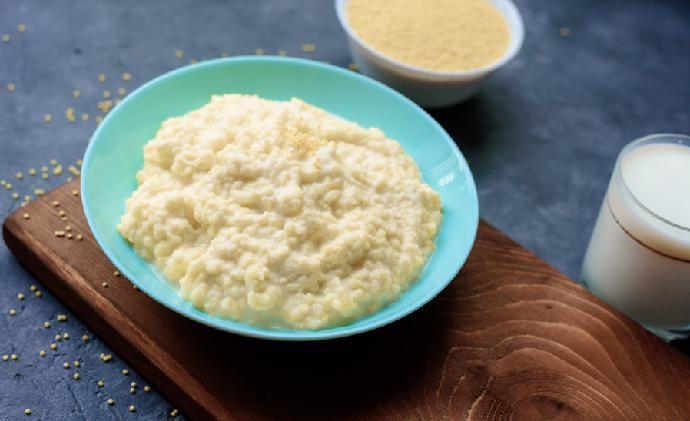
Being easy to digest, millets are considered a good weaning food for babies and healthy food for growing kids. Starting young helps them develop a taste for millet, which, fortunately, can replace grains like rice and wheat to make regular Indian dishes healthier. Millets are a highly nutritious and versatile food. They are also considered to be the least allergic to grains.
When to start and how to give millet to babies?
Children need to be on mother's milk till they are 6-8 months old at least. After that, they can be gradually introduced to millet when they are able to chew on semi-solid foods. Start with softer preparations like bajra khichdi or ragi porridge. It is best to begin with a spoonful, and then gradually increase the quantity. As they grow older, you can give your child jowar or ragi rotis, millet dosas, pancakes, or mixed vegetable stews made with millets.
Should you consult a doctor before including millet in your baby's diet?
When it comes to introducing new food to your child's nutrition plan, you must practice two things:
1. Go slow and do it in moderation: It is important to observe how a child's stomach reacts to each food. 2. Get a heads up from the pediatrician: This is especially important if the child has a weak gut, is intolerant to certain foods, or has an autoimmune condition. |
Note: Millets are supposed to have anti-nutrients that are linked to hypothyroidism. This theory is, however, not backed by research. Several countries including India have lived on a millet-based diet for centuries without health complications. In any case, it is advisable to limit millet consumption by children who are iodine deficient or have an underactive thyroid.
Can millets be introduced simultaneously with other foods?
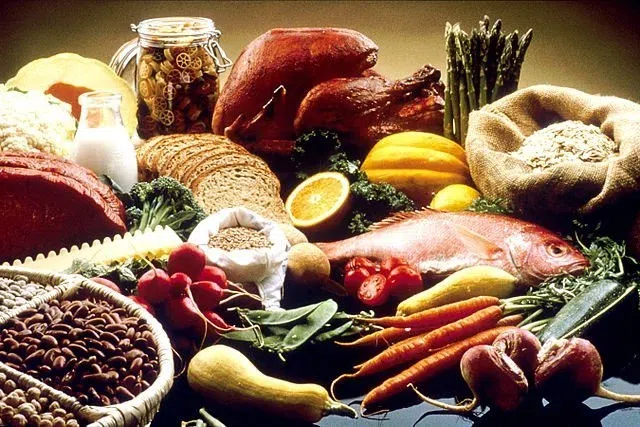
Millets are nutritious but not the only thing your child should grow up on. A balance of grains, pulses, lentils, vegetables, fruits, nuts, seeds, and probiotics is essential for the proper growth and development of your child. Also, millets like pearl and foxtail generate heat which harms the body. Reduce the heat by preparing fermented items such as idli and dosa with these millets. Another option is to combine them with cooling foods like buttermilk, cucumber, green vegetables or barley water to balance the heat.
What is the right quantity of millet for babies?
As with everything, moderation is the key. A total switchover from wheat to millet is not recommended. It is advisable to start introducing millet slowly into a child's diet as it takes time for the digestive system to accept a new food. Consumption of many millets at one go can cause stomachache, bloating, and constipation.
How to cook millet for babies?
Millets may contain certain anti-nutrients. Hence it is best to cook it the right way - soak, roast, ferment, or germinate.
| Which millets are best for weight loss? |
|
What are the types of millets grown in India?
There are 8 different millet varieties used regularly in India: jowar (sorghum), ragi (finger millet), korra (foxtail millet), arke (kodo millet), sama (little millet), bajra (pearl millet), chena/barr (proso millet) and sanwa/ jhangora (barnyard millet).
Nutritional Value and Health Benefits of Millets
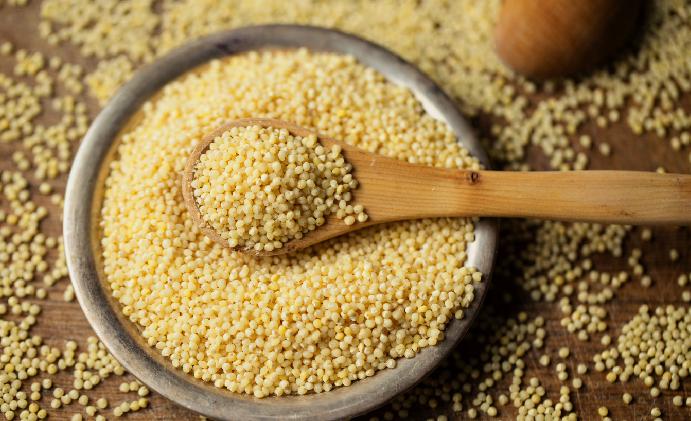
1. Jowar: It is high in unsaturated fats, protein, fiber and minerals like phosphorus, potassium, calcium, and iron (5.4 mg/100g). It also contains anti-oxidants. It is consumed in the form of flatbread or porridge.
2. Ragi: Also called nachni, it is high in calcium (344 mg/100g) and iron making it a perfect food for expectant mothers and children. It can be used as ragi malt to replace the commercially available cereals given to babies.
3. Korra: It has the highest mineral content amongst millets. It is rich in protein (12.3 g/100 g) and minerals. It increases kidney functionality and is best for muscle strength and hormone imbalance.
4. Arke: Its high fiber and energy content makes it an ideal food for diabetics. It can replace rice in preparations like khichdi and pongal.
5. Sama: It comes in the form of rice, semolina and flour. It has the highest fat content of all millets and a good deal of protein. It is commonly used to make bread, roti, dosa and rice.
6. Bajra: It is very high in protein and energy content and is six times more nutritious than wheat. It is used to make roti, as a replacement for rice and as porridge.
7. Chena: It is rich in protein content (12.5 g/100 g) and is very high in carbohydrates as well.
8. Sanwa: It has the highest fiber (10.1 g/100 g) and iron content of all millets.




























Comments
Edit
Comment Flag
Cancel Update