
Fruit Facts: Eating Fruits The Right Way Has Long Term Benefits And Better Health Outcomes
Shirley Johanna
Is it okay to eat fruits any time of the day? How many fruits to eat in a day? Read on to learn the lesser-known facts about fruits, and the right way to eat them

Whenever we try to make healthy dietary changes, fruits are a major part of our plan. It's no secret that fruits provide nutrients like vitamins, minerals, fiber and antioxidants, which are vital for maintaining good health.
By eating a variety of fruits regularly, you can reduce the risk of chronic diseases like type 2 diabetes, improve your heart health, and protect your cells against damage. So, knowing how and when to eat fruits is just as important as including lots of fruits in your diet.
Here are five lesser-known facts about eating fruits.
1. Is there a best time to eat fruits?
There's a popular belief that you can eat fruits any time of the day. But that's not true. The best time of the day to have fruits is 30 minutes before a meal. This helps the body absorb the maximum amount of vitamins and minerals. Fruits are best absorbed when eaten as a snack between meals, and before or after a workout to energize the body. They are high in fiber and water. So, if you want to lose weight, eating fruits 30 minutes before a meal can help you feel full for longer. This could lead to eating less food and even weight loss.
2. How much fruit to eat in a day?
According to a study, titled 'A Comparison of the Indian Diet with the EAT-Lancet Reference Diet' published in BMC Public Health (2020), Indians do not consume adequate amounts of fruits, vegetables and non-cereal proteins in their diets. An average Indian household consumes more calories from processed foods than fruits!
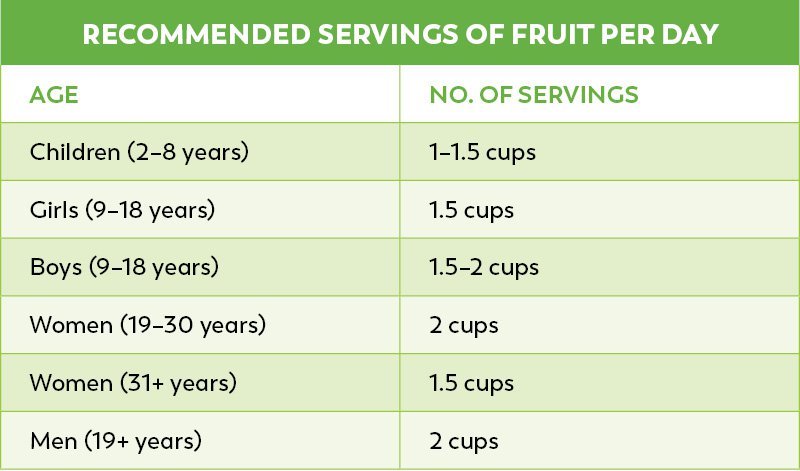
The amount of fruits needed for optimal health depends on age, gender, height, weight and the level of physical activity. According to the Indian Council of Medical Research-National Institute of Nutrition (ICMR-NIN) guidelines, everyone should eat at least 300g of vegetables and 100g of fruits every day.
3. Why certain fruits shouldn't be eaten together
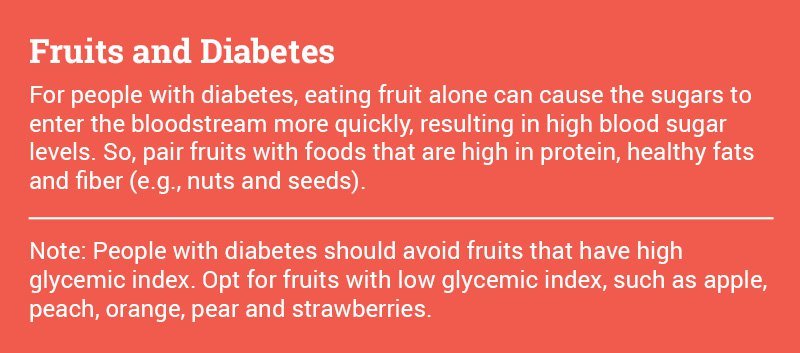
Because different foods are digested at different rates, eating an improper combination of foods can cause fermentation within the digestive system, leading to indigestion, bloating, and imbalance in the gut microbiome. Acidic fruits don't go well with sweet fruits, as their digestion time varies. For example, pairing acidic fruits like orange, pineapple, pomegranate, plums and strawberries with sweet fruits like bananas and grapes is not a great idea. This fruit combination (acidic fruits and sweet fruits) may cause headaches, nausea, and bloating in some people.
But you can pair acidic fruits with sub-acidic fruits like apples and peaches. As melons, watermelon, cantaloupe and honeydew have very high water content, they are digested faster than other fruits.
So, eat melons without combining them with other fruits. A simple rule to remember: The fewer the ingredients, the better the rate of absorption and digestion.
4. Whole fruits vs fruit juices
To get maximum nutrients, eat whole fruits instead of drinking fruit juices. If the fruit skin is edible, you can eat that as well. When you eat a whole orange, the fiber binds to the sugar, as the fruit passes through your gastrointestinal tract. The binding action slows down the release of sugar in your bloodstream.
Fruit juice is not as healthy as whole fruit, even if it's a glass of freshly squeezed orange juice. In juicing, the fruit pulp and skin, which are high in fiber and other nutrients, are lost. Drinking fruit juice increases your blood sugar levels, and the excess sugar is stored as fat and glycogen. After drinking a glass of fruit juice, you may experience lightheadedness and weakness, or feel anxious if you're sensitive to blood sugar levels. But when you eat a whole orange, you're less likely to have these symptoms.
5. When to avoid eating fruits
It's said that eating fruits before bedtime can induce sleep. But it's quite the opposite. Eating fruits right before bedtime can interfere with sound sleep, as your sugar and energy levels will increase. The result? You'll have trouble falling asleep at night.

This article has been reviewed and validated by Priya Kathpal, nutritionist and founder of Nutrify, a nutrition clinic based in Mumbai.
































Comments
Edit
Comment Flag
Cancel Update