
Is Your Child Underweight? Healthy Ways To Help Your Child Gain Weight And Grow Strong
Aruna Raghuram
Learn how to help your child gain weight with healthy foods, balanced meals, and expert tips. This guide explains the reasons for poor weight gain, signs to watch for, and simple ways to support healthy weight gain for children. Discover practical tips for nutrition and picky eaters
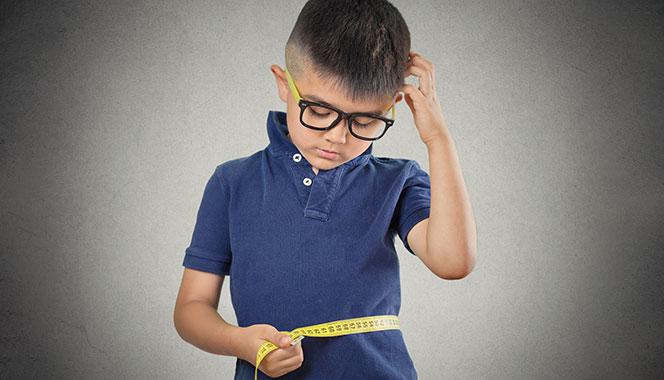
While overweight children may often receive attention from health experts and the media, some parents have concerns about their child not gaining enough weight.
However, every child grows differently, and being thin does not always mean a child is unhealthy. Understanding your child's growth pattern and nutritional needs can help you support healthy weight gain.
How to know if your child is underweight?
Understanding growth charts and weight percentiles
Dr Uma Asopa, a pediatrician with over 35 years of clinical experience and specialized in preventive pediatrics, pediatric nutrition, and pediatric nephrology, says:
"When the weight of your child drops below the fifth percentile of the expected weight for their age, they are underweight. But watch your child. If they are happy, healthy, playful, active, and eating reasonably well, they're probably doing fine."
Why some children naturally thin
A child may be underweight despite eating a balanced diet. Or they may not eat well due to poor appetite or fussiness. In the first case, Dr Asopa advises parents to consider their family history, particularly whether they experienced a phase of slower weight gain. Some children have the genetic propensity to be underweight even though they eat normally. This is called 'constitutional skinniness' and is related to the ability to burn more calories, she explains.
While the causes of poor appetite need to be investigated, a picky eater should be handled with care.
How can I help my child gain weight?
Children keep gaining weight as they grow older. However, in some children, the weight gain may not be proportional to age. If this is the issue with your child, here are a few tips to help you:
- Have regular mealtimes and keep mealtimes free of distractions.
- Do not pressure your child to eat.
- Include dairy products like cheese, cream, and yogurt in your child's diet
- Make fruits, beans, pulses, and eggs a part of their regular diet
- Increase portion size. If this is not possible, provide six to eight smaller meals/snacks per day
- Encourage physical activity to stimulate appetite and develop strong bones and muscles
Common reasons your child may not be gaining enough weight
Poor weight gain in some children can be a concern.
Medical and nutritional factors affecting weight gain
- Inadequate intake of calories
- Neurological issues
- Improper digestion
- Overactive thyroid gland
- Bowel problems
- Heart and kidney disorders
- Genetic issues
When should parents worry about a child’s weight?
Ryan Fernando, chief nutritionist and CEO of Qua Nutrition, with expertise in clinical and child nutrition, says:
"The body mass index (BMI) is a good indicator of whether a child is underweight. If a child has a BMI of less than 17, parents should be concerned."
Warning signs that need medical attention
According to Ryan, tests for hemoglobin, Vitamin D, and the albumin/globulin ratio will indicate what action is needed. If a parent does not like the idea of invasive blood tests, they can look for warning signs.
For instance, white patches on the face are a sign of low immunity; a bloated stomach is a sign of malnutrition; cracked nails and frequent coughs and colds are other signs that the child is not healthy.
Dr Shirish Parikh, a pediatrician and nutritionist from Ahmedabad with experience in child health and nutrition, says:
"If a child is chronically ill, is frequently absent from school, and has to be taken to the doctor often, the problem needs to be investigated. Severe loss of appetite is also a warning sign. Again, the child's personal and social behavior needs to be watched. If they are depressed, unenthusiastic, or irritable, it can be a sign of ill-health. If a child does not play and does not take part in activities, it is a cause for concern."
Tracking your child’s growth and development
Also, parents need to be watchful of their child's growth. If a child has lost weight or has shot up in height without gaining weight, consult a pediatrician.
According to the National Institute of Nutrition (NIN), during the pre-adolescent period, a child grows, on average, 6-7 cm in height and 1.5-3 kg in weight every year. Sudden weight loss should also be checked out.
Healthy weight gain diet plan for an underweight child
Best foods to include for healthy weight gain
A diet plan for an underweight child must include protein-rich foods such as milk, yogurt, cheese, eggs, and soy products. This will help them gain weight and muscle mass.
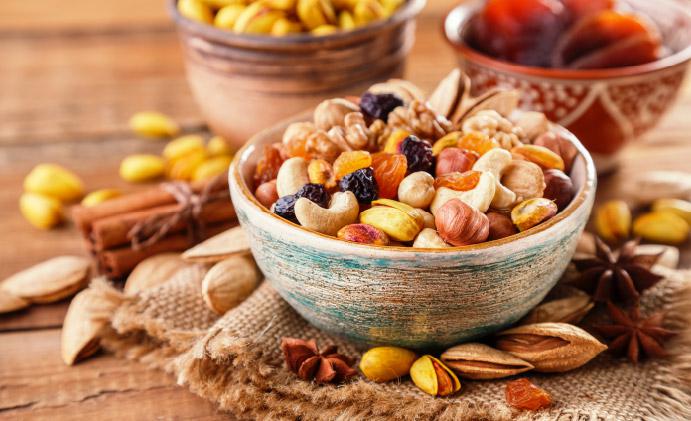
Carbohydrates should make up the majority of your child's diet, or 45-65% of their calorie intake. Whole grains, cereals, and dry fruits (for snacks) are good foods for an underweight child.
Smoothies made with yogurt, milk, and fresh or frozen fruit are a treat and a great source of extra healthy energy.
Why junk food is not the answer for weight gain
Avoid feeding your child junk food or fatty food, thinking that it won't affect them because they are underweight.
Says dietitian and nutritionist Liza Shah, who specializes in child nutrition and healthy eating habits:
"Some parents stuff their thin children with food that contains more ghee, butter, cheese, and oil, and make them drink full-fat milk in an attempt to get them to put on weight. Growing kids need more protein, fruits, vegetables, and fiber. A child will not eat enough of the right kind of foods if their tummy is filled with fatty foods."
Tips to encourage healthy eating habits in children
Liza insists that parents give their children a variety of foods instead of just 'roti, sabzi, and dal' meals. Children should be allowed to choose.
"Some healthy foods that can tempt your child are mithi roti made of besan and jaggery, boiled potato dishes, idlis, boiled chana salad, and burgers made with wheat bread."
Ryan advises:
"If you want your child to gain weight, see that they eat frequently, at least three meals and two snacks a day, and give them calorie-dense foods."
For underweight children, his favorite suggestions are rice, potatoes, sweet potatoes, eggs, and milk. French fries and pakodas are a no-no. Milkshakes, soups, and smoothies can be given.
Download colorful recipes and food videos and show them to your child. Expand your horizons beyond the limits set by culture. For instance, if your child likes pizza, experiment by making a healthy version for him.
Make mealtimes positive and pressure-free
Children may not eat well because of medical, climatic (we tend to eat less when the weather is hot), or psychological reasons. In some cases, when the family environment at the dinner table is unpleasant, children do not eat well. Parents must make mealtimes enjoyable and unrushed, and offer a variety of nutritious foods.
Encourage children to explore different foods
Hemant Bhatt, father of an underweight child, says, "My wife and I were very worried about our 10-year-old son Aditya, who was underweight. He would get tired and irritable by early evening. My son's appetite was very poor. He would eat a little of whatever food we gave him, and then say he was not hungry anymore.
We consulted a couple of pediatricians who suggested deworming and prescribed some vitamins. But the problem was not solved. Finally, nutritionist Liza Shah explained to my son the importance of the different food groups. My son was in the habit of eating dry snacks. She explained that nutrition comes before taste and asked him to eat more vegetables and fruits he liked. This worked. He put on one-and-a-half kg in one month."
Every child’s nutritional and weight gain needs are different. While this approach worked for Aditya, parents should consult a healthcare professional to understand what works best for their child’s individual needs.
Tips to encourage healthy eating habits in children
Delhi-based clinical nutritionist and dietitian Dr Ishi Khosla shares a few tips:
- Be a role model. If you eat healthy, your children will do the same.
- Stock the right kinds of foods like nuts, fresh fruits, and vegetables, and low-fat snacks.
- Involve kids in planning the daily menu and encourage them to help in cooking and shopping for nutritious food.
- When you eat out, look for healthy options.
- Permit junk food occasionally, but ensure your child also gets the right amount of vegetables and fruits.
- Educate your child about nutrition and good health.
- Give your child water, not sugary drinks. Restrict other fluid intakes to one cup of juice and two cups of milk a day.
- Slip in some healthy foods during snack time, not just empty calories.
- Curb your child's habit of watching television while eating. They may eat too much or too little because their focus is not on their food.
How to manage picky eating in underweight children
Encourage children to explore different foods
- Lead by example by not being a fussy eater yourself.
- Allow your child to choose rather than forcing them to eat a particular food. A child likes to choose food from the age of two. If your child does not like a lady's finger or bottle gourd, find a healthy alternative. There are at least 15 other vegetables they can have.
Once, I recommended a date milkshake to an underweight kid. The child immediately asked me if he could have a strawberry-pistachio milkshake instead. When I agreed, the child was happy that he had been heard and his preferences were accepted.
Parent checklist: Helping your underweight child gain weight
- Track your child’s height and weight regularly with a paediatrician’s guidance.
- Check whether your child is active, happy, and developing well.
- Offer three balanced meals and two to three healthy snacks every day.
- Include protein-rich foods such as eggs, milk, dairy products, pulses, and soy.
- Add healthy, calorie-rich foods instead of relying on junk food.
- Avoid forcing your child to eat, as it can create negative feelings around food.
- Create a calm and distraction-free mealtime environment.
- Involve your child in choosing, preparing, and trying new foods.
- Offer food options to manage picky eating habits.
- Consult a doctor if your child loses weight, falls behind in growth, or shows signs of illness.
- Avoid comparing your child’s weight or eating habits with those of other children.
Remember, healthy weight gain takes time, and small, consistent changes in your child’s eating habits and lifestyle can make a difference.
For further guidance on child growth and nutrition, refer to resources from the World Health Organization (WHO) for child health standards and the National Institute of Nutrition (NIN).
This article is for general information and does not replace medical advice from a qualified healthcare professional.
Last updated on: July 09, 2026





























Comments
Edit
Comment Flag
Cancel Update