
Healthy Daily Meal Plan For Children: Nutrient-Rich Foods And Portions By Age
Shiny Lizia M
A balanced diet helps children grow, learn and stay active. This guide explains children's nutritional requirements at different ages. Use this simple nutritious food chart for children to plan daily meals with the right mix of fruits, vegetables, grains, proteins and dairy. Make healthy eating simple for your child
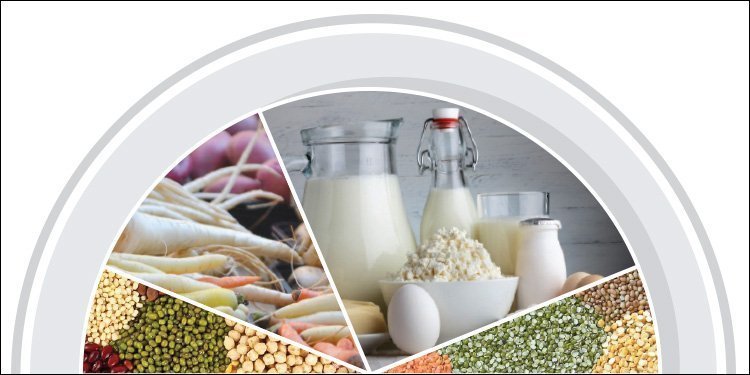
Is planning your child's 'nutrient-rich' daily meal giving you sleepless nights? After all, a well-balanced diet holds the key to your child's physical and mental growth. A balanced diet offers adequate amounts of all nutrients in the right proportions. But in today's hectic life, we often don't pay much attention to this very important requirement. Interestingly, all it requires is a smart combination of the four basic food groups in a child's daily diet:
- Cereals and pulses
- Vegetables and fruits
- Milk and milk products, meat and fish
- Oils, fats, nuts and oilseeds
The food your child eats must also comprise non-nutrients such as dietary fibre, antioxidants and phytochemicals. The quantities of food needed to meet the nutrient requirements vary with age, gender, physiological status and physical activity.
So, how much does your child actually need? Here's a handy age-wise guide to help you plan your child's meals.
What makes a child's diet nutrient-rich?
A nutrient-rich diet is not about including one particular 'superfood' or making every meal perfect. It is about offering a variety of foods from different food groups throughout the day.
Try to include cereals and millets, pulses and beans, vegetables, fruits, dairy foods, nuts and seeds, and healthy fats. Variety within each food group is also important. Seasonal and locally available foods can make it easier to offer a diverse diet without complicating mealtimes.
The ICMR-NIN Dietary Guidelines for Indians 2024 recommend including foods from at least 5–7 food groups every day. The suggested quantities below are meant as a guide for normally growing children and are not rigid targets that every child must meet every day.
Your child's healthy food guide
Whether you are serving food at home or packing food, use these tables as a guide to customise your child's nutritious food plate.
Note: The quantities in the ICMR-NIN tables refer to the food as purchased or in its raw form, rather than the amount of cooked food on your child's plate. Your child's actual needs may vary depending on growth, body size, and physical activity.
Non-nutrients: what are they, and why do we need them?
While non-nutrients are not essential for the body to function, they still play a vital role in maintaining good health. They are compounds produced either by the body or absorbed from the food we eat.
Fibre and plant compounds to include in your child’s diet
AntioxidantsAntioxidants are compounds that help protect the body's cells from damage caused by oxidative stress. Many plant foods contain antioxidant compounds. Sources: Colourful fruits and vegetables such as berries, carrots, tomatoes, citrus fruits, melons and red cabbage. |
Dietary fibreDietary fibre is a type of carbohydrate that supports healthy digestion and bowel function. Adequate fibre, along with enough fluids, can help prevent constipation. Sources: Whole grains such as oats and unpolished rice; pulses such as beans and lentils; vegetables; fruits; nuts and seeds. |
PhytochemicalsPhytochemicals are naturally occurring compounds found in plants. They contribute to the colour, flavour and other characteristics of plant foods and may have beneficial effects on health. Sources: Fruits, vegetables, pulses, whole grains, nuts, seeds, herbs and spices. Examples include apples, citrus fruits, onions, broccoli, soybeans and their products. |
Your child's healthy food plate guide
Whether you are serving food at home or packing food, use this table as a guide to customize your child's nutritious food plate.
Table 1: Suggested daily quantities for children aged 7 months to 9 years
Food Group | 7–12 months | 1–3 yrs | 4–6 yrs | 7–9 yrs |
Cereals & Millets | 25 g | 100 g | 160 g | 200 g |
Pulses | 12 g | 50 g | 60 g | 65 g |
Green Leafy Vegetables | 25 g | 50 g | 50 g | 100 g |
Other Vegetables | 25–50 g | 50 g | 100 g | 100 g |
Roots & Tubers | 20 g | 50 g | 50 g | 100 g |
Fruits | 40 - 60 g | 60 - 75 g | 75 g | 100 g |
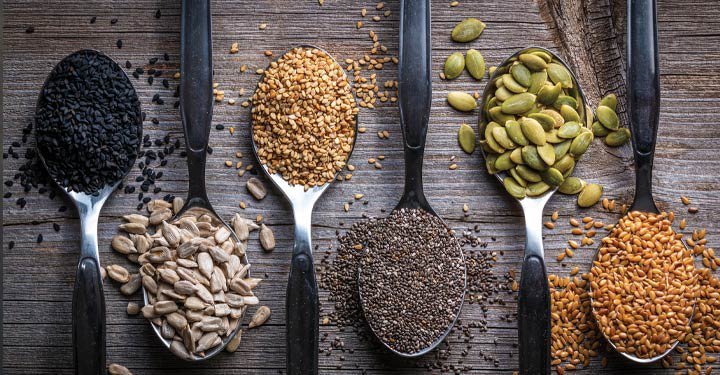
Nuts & Seeds | 7 g | 10 g | 15 g | 20 g |
Milk/curd | Continue breast milk* | 350 ml | 350 ml | 400 ml |
Fats and Oils | 5-10 ml | 25 ml | 25 ml | 30 ml |
For easier measurement: 5 ml = 1 teaspoon and 15 ml = 1 tablespoon. The quantities for milk/curd and fats and oils have been converted approximately from grams to millilitres for convenience.
*For infants aged 7–12 months, breast milk continues alongside complementary foods. The ICMR-NIN table indicates approximately 580 ml of breast milk as a reference value; this should not be interpreted as a fixed amount that a breastfed baby must consume.
Table 2A: Suggested daily quantities for children aged 10 –15 years
Food group | Boys 10–12 yrs | Girls 10–12 yrs | Boys 13–15 yrs | Girls 13–15 yrs |
Cereals & millets | 280 g | 250 g | 390 g | 300 g |
Pulses | 90 g | 85 g | 130 g | 100 g |
Green leafy vegetables | 100 g | 100 g | 100 g | 100 g |
Other vegetables | 200 g | 200 g | 200 g | 200 g |
Roots & tubers | 100 g | 100 g | 100 g | 100 g |
Fruits | 100 g | 100 g | 100 g | 100 g |
Nuts & seeds | 30 g | 30 g | 40 g | 35 g |
Milk/curd | 400 ml | 400 ml | 400 ml | 400 ml |
Fats & oils | 39 ml | 33 ml | 50 ml | 44 ml |
Table 2B: Suggested daily quantities for children aged 16–18 years
Food group | Boys 16–18 yrs | Girls 16–18 yrs |
Cereals & millets | 450 g | 315 g |
Pulses | 150 g | 105 g |
Green leafy vegetables | 100 g | 100 g |
Other vegetables | 200 g | 200 g |
Roots & tubers | 100 g | 100 g |
Fruits | 150 g | 150 g |
Nuts & seeds | 50 g | 40 g |
Milk/curd | 400 ml | 400 ml |
Fats & oils | 61 ml | 44 ml |
Source: Food-group recommendations adapted from ICMR-NIN, Dietary Guidelines for Indians, 2024. Complementary-feeding guidance based on WHO recommendations.
These quantities are suggested food-group amounts for normally growing children. They are useful for planning a balanced diet, but don't let it become a source of stress. A child's appetite can vary from one meal to another and from one day to the next.
A note about pulses and non-vegetarian foods
For children who eat meat, fish, poultry or eggs, some pulses can be substituted with these foods as part of a varied diet. The ICMR-NIN guidelines indicate that, for non-vegetarian diets, 30 g of pulses may be substituted with meat.
For younger children, make sure meat and fish are well-cooked and served in a texture and size appropriate for the child's developmental stage.
Feeding your baby from 6 months
The first six months of a baby's life are different from the years that follow. WHO recommends exclusive breastfeeding for the first six months for most infants. At around 6 months, complementary foods should be introduced while breastfeeding continues.
Start with small amounts and gradually increase the quantity, variety and consistency of foods as your baby grows.
Between 6 and 8 months, complementary foods can generally be offered 2–3 times a day.
This increases to 3–4 times a day from 9–23 months, with nutritious snacks as appropriate for children 12–23 months.
At around 6 months, you do not have to wait until the ninth month to introduce foods such as egg, fish or meat. Nutrient-dense animal-source foods can form part of a diverse complementary diet from this stage, provided they are prepared safely and in an age-appropriate texture.
You can begin with soft, mashed or pureed foods and gradually move to thicker, lumpier foods and finger foods as your baby develops the ability to handle them. By around 12 months, most children can eat the same types of healthy family foods, with suitable modifications.
How much food does a baby need?
There is no need to force your baby to finish a fixed quantity. Begin with small amounts and watch your baby's hunger and fullness cues.
As a broad guide:
- 6–8 months: Start with 2–3 tablespoons per feed and gradually increase to approximately 125 ml.
- 9–11 months: Approximately 125 ml per meal.
- 12–23 months: Approximately190–250 ml per meal.
These are general guides, not compulsory quantities. Some babies will eat more; others may eat less at a particular meal.
What can you offer your baby?
Try combining different food groups throughout the day. For example:
- Rice or millet + dal + vegetables
- Idli + sambar
- Vegetable khichdi
- Mashed seasonal fruit
- Well-cooked egg
- Soft, well-cooked fish or meat
- Curd or other suitable dairy foods
- Finely ground or appropriately prepared nuts and seeds
Remember that nuts, seeds and other foods that can cause choking must be prepared in a form and texture that is safe for your baby's age and developmental stage.
Don't forget variety
Planning healthy meals does not mean serving a different elaborate recipe every day. You can make simple changes to familiar foods to improve variety.
For example, rice can be alternated with roti, dosa, idli or millets. Dal can be prepared with different vegetables. Seasonal fruits can be offered instead of juice. Nuts and seeds can be incorporated into suitable dishes.
A simple rule to remember is: different foods provide different nutrients. So, instead of worrying about whether one particular food is enough, look at what your child eats over the course of the day.
What about sugar?
The ICMR-NIN guidelines recommend no added sugar for children below two years. For older children, added sugar should be limited rather than treated as an essential part of the diet.
So, there is no need to add sugar to every snack or drink. Encourage children to enjoy the natural sweetness of fruits and keep sugary drinks, sweets, and other foods high in added sugar as occasional choices.
Equivalent kitchen measurements
For ease of measurement, you can use measuring cups or spoons. You do not need to weigh every ingredient that goes into your child's plate.
- 200 ml – approximately 1 measuring cup
- 15 ml – 1 measuring tablespoon
- 5 ml – 1 measuring teaspoon
For infants, the quantities can be very small. The ICMR-NIN sample menus provide household measures for many of the foods used in complementary feeding.
How to use these quantities: use the table to:
- Include foods from several food groups across the day
- Vary cereals, pulses, vegetables and fruits
- Adjust portions to the child's appetite and activity
- Offer age-appropriate textures and foods
- Focus on overall dietary variety rather than perfection
From toddlers to preteens, rice in lunch can be replaced with roti twice a week. Lunch can also be part roti and part rice as per preference.
Planning a nutrient-rich diet for your child does not have to be complicated. What matters most is offering a variety of foods from different food groups and adjusting portions as your child grows and their nutritional needs change.
Use the age-wise recommendations in this guide as a reference when planning everyday meals. You can also vary the foods within each group to keep meals interesting and introduce your child to different tastes, textures and flavours.
Remember, you don't need to get every meal perfectly balanced. Aim for variety and balance across the day, while keeping your child's age, activity level, preferences and individual needs in mind. If your child has specific nutritional requirements or health concerns, consult a paediatrician or qualified nutrition professional for personalised advice.
Shiny Lizia Manohar, PhD, is a nutrition researcher and postdoctoral fellow in the Nutrition and Metabolism Branch at the International Agency for Research on Cancer (IARC) - World Health Organization. She previously served as a Lecturer in Clinical Nutrition at Sri Ramachandra Institute of Higher Education and Research, Chennai.
Need more information? Trusted resources:
- Food-group recommendations adapted from ICMR-NIN, Dietary Guidelines for Indians, 2024.
- Complementary feeding guidance based on WHO recommendations.
Last updated on: September 02, 2026






















Comments
Edit
Comment Flag
Cancel Update