Clean drinking water has become a rare commodity putting the health of our children at stake. This article talks about the types of contamination found in water and how it can be purified
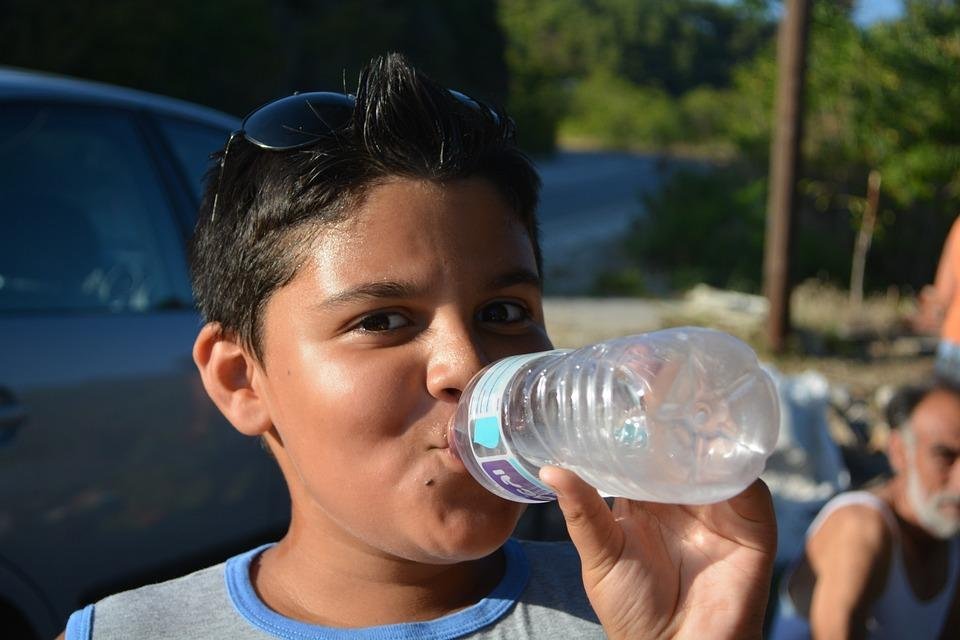
Water is life, and clean water means health - Audrey Hepburn
Clean water is essential for the existence and well-being of every living being. In fact, safe drinking water is one of the basic needs that every human being has a right to.
But, with increasing water contamination, stressing on the importance of safe drinking water for children becomes important.
Most of us rely on piped water for clean and safe drinking water. But, although this water looks clean, it is unsafe to drink it without purifying, especially for children who have lower levels of immunity.
Drinking contaminated water can cause several health problems in children, and adults. These include both common water-borne illnesses like gastroenteritis, vomiting and diarrhoea, as well as serious ones like cholera and typhoid.
According to Water Aid India, over 60,000 children in India die every year from diarrhoea caused by unsafe drinking water.
Though 70% of the earth is covered with water, the amount of safe drinking water available is very low. And, unfortunately, even that little quantity is becoming contaminated. Some of the main sources of water contamination are:
We often assume that water which looks clean and is free of odour is fit for drinking. However, this is not the case at all! Untreated water is polluted with contaminants such as ammonia, arsenic, copper and fluoride, and several pathogens that cause diseases like diarrhoea, dysentery, cholera and typhoid.
For generations, we have believed that boiling water makes it safe for drinking. But, this is only partially true. While boiling water kills the pathogens present, it doesn't remove contaminants like chemicals and metals.
But, advances in technology have led to the development of several water filtration methods. To get clean and safe drinking water, you can install a good quality water filter at home.
Most water filters available today use four types of filtration methods. These are a combination of physical and chemical processes. The different types of filters used in modern water filters are:
Water filters make water relatively safe for drinking by removing impurities, but they do not render it completely germ-free. So, water filters should be used in combination with water purifiers, which removes germs. You can also use a combination of filtering and boiling to get contaminant and germ-free drinking water.
"If you are using a UV water purifier, you should ensure that the water is consumed within 24 hours. The UV treatment does not kill the bacteria present in the water, but sends it into hibernation, and our digestive system kills it when consumed. But after 24 hours, the bacteria starts becoming active. So, if the water is stored and not used for more than 24 hours, it will become infected. Then, the water becomes unsafe for drinking.
If you are using a RO water purifier, it will remove the bacteria completely, but it will also remove all the minerals present in the water.
When you buy water, you should see the total dissolved solids number specified by the water purifier manufacturer. According to government recommendation, it should be less than 500."
- Sukumar, Director, Indian Scientific Lab Products, Bangalore
It is very important to provide safe drinking water in schools, because school children are more susceptible to water-borne diseases. Here are some steps that schools can take to ensure students have clean and safe drinking water:
Boiling water is one of the cheapest and easiest methods to get safe drinking water. All you need to do is to bring water to a boil and then allow it to simmer for at least a minute. This would kill all the germs. Then, allow the water to cool down to room temperature. However, do remember that boiling water would not remove chemical contaminants like lead, nitrates and pesticides present in it.
Boiling water:
Bottled water:
Filtered water:
"Water purifiers are not designed to last forever. To purify the water, the water cartridge absorbs the impurities present in water. So, over time, the impurities accumulate in the filter and the water flow gets affected. That's an indication to change the water cartridge. Ideally, a cartridge should be changed between four to six months. But, in places with high contamination, like industrial areas, residents should change the water cartridge more frequently because of the high level of impurities present in the water."
- Sukumar, Director, Indian Scientific Lab Products, Bangalore
To sum up, it is advisable to use a combination of filtering and boiling to get drinking water that is free from contaminants and germs. With the health of your little one at stake, you can't take any chance with the quality of water she drinks. So, always make sure your child has access to clean and safe water to enjoy a healthy life.
Also Read: Teach Kids How To Prevent Water Pollution
Looking for expert tips and interesting articles on parenting? Subscribe now to our magazine. Connect with us on Facebook | Twitter | Instagram | YouTube
Comments
Edit
Comment Flag
Cancel Update