
Should Kids Eat Organic?
Krishnamoorthy V
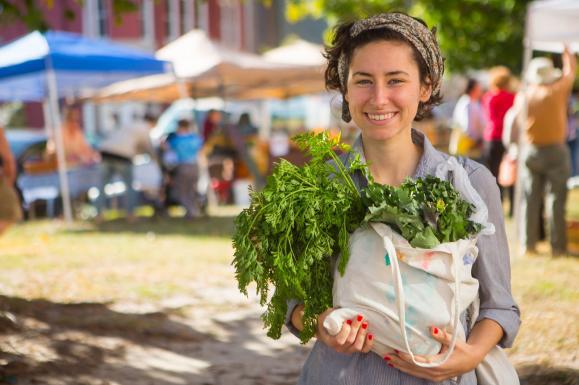

Should Kids Eat Organic? The Great Debate
Almost 80 percent of families are eating organic and nearly 50 percent say their biggest reason for doing so is they believe that it's healthier for their children, according to a 2011 survey by the Organic Trade Commission, But is organic food really better for kids? For starters, in order to meet the
More at: www.yahoo.com
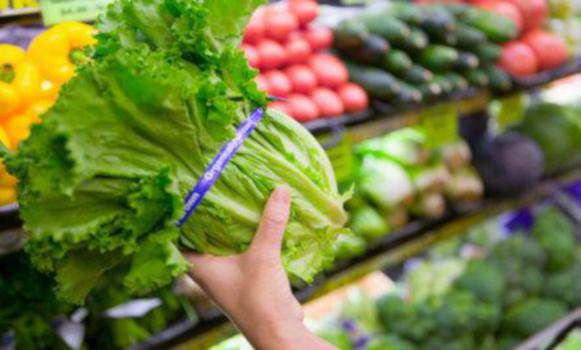
17 Essential Reasons to Eat Organic Food | Care2 Healthy Living
Organic food was the only option for thousands of years.? Now, with pesticides, herbicides, fungicides, and genetically-modified foods, organic is still the best option.? Here are 17 reasons to eat organic food: 1.? Genetically-modified foods were unleashed on the environment and the public by corporations like Monsanto without prior testing to determine their safety.? In other words, eating genetically-modified foods (which most people in in large amounts) is participating in a long-term, uncontrolled experiment. Choose organic to avoid participating in this experiment. 2.? More and more research is coming in about the health threat of genetically-modified food.? The results range from intestinal damage, allergies, liver or pancreatic problems, testicular cellular changes, tumors, and even death in the experimental animals. For more information, read the excellent books by Jeffrey M. Smith and . I?ll discuss more of the problems linked with GMOs in upcoming blogs. Eating third-party certified organic foods or those that are guaranteed to be grown from organic seed helps protect you from the health consequences of GMOs. 3. ?Fruits and vegetables are real food, not pesticide factories.?Eighteen percent of all genetically-modified seeds (and therefore foods that grow from them) are engineered to produce their own pesticides.? Research shows that these seeds continue producing pesticides inside your body once you?ve eaten the food grown from them! Foods that are actually pesticide factories...no thanks. 4.? They?re free of neurotoxins?toxins that are damaging to brain and nerve cells. A commonly-used class of pesticides called organophosphates was originally developed as a toxic nerve agent during World War I. When there was no longer a need for them in warfare, industry adapted them to kill pests on foods. Many pesticides are still considered neurotoxins. ?Learn more about pesticides in . 5.? They?re supportive of growing children?s brains and bodies.? Children?s growing brains and bodies are far more susceptible to toxins than adults.? Choosing organic helps feed their bodies without the exposure to pesticides and genetically-modified organisms, both of which have a relatively short history of use (and therefore safety). 6.? In study after study, research from independent organizations consistently shows organic food is higher in nutrients than traditional foods.? Research shows that organic produce is higher in vitamin C, antioxidants, and the minerals calcium, iron, chromium, and magnesium. (For more information, check out ). Keep reading to learn how organic food is better for the environment... 7.? The US Environmental Protection Agency (EPA) estimates that pesticides pollute the primary drinking source for half the American population. Organic farming is the best solution to the problem. Buying organic helps reduce pollution in our drinking water. 8.? Organic food is earth-supportive (when big business keeps their hands out of it). Organic food production has been around for thousands of years and is the sustainable choice for the future.? Compare that to modern agricultural practices that are destructive of the environment through widespread use of herbicides, pesticides, fungicides, and fertilizers and have resulted in drastic environmental damage in many parts of the world. 9.? Organic food
More at: www.care2.com
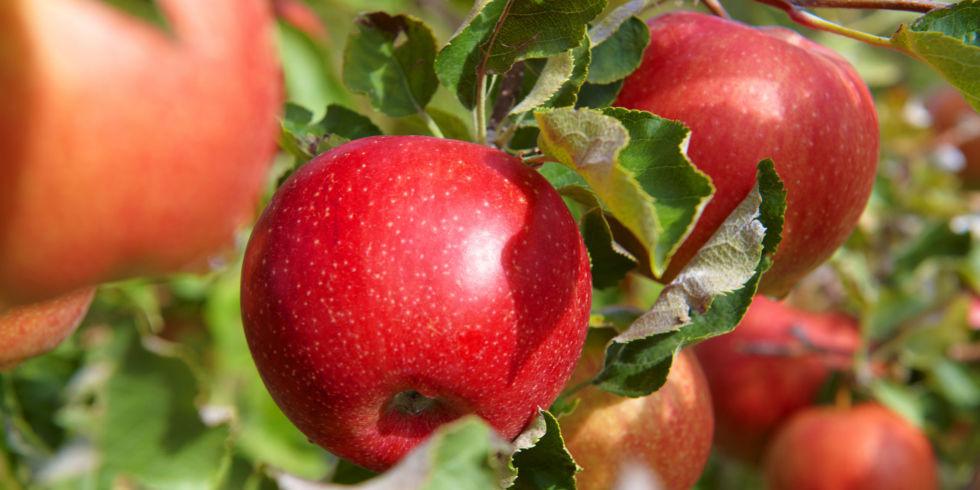
The New Dirty Dozen: 22 Foods to Eat Organic
Each year the Environmental Working Group releases its annual dirty dozen list - a list of foods that you should always, whenever possible, buy organic. The group analyzes Department of Agriculture data about pesticide residue and ranks foods based on how much or little pesticide residue they have. The group has estimated that individuals can reduce their exposure by 80% if they switch to organic when buying those 12 foods.
But we went one step further and included produce that has made the list in the past, as well as information about pesticides used to produce meat, dairy, and some other favorite foods that aren't on Environmental Working Group's latest dirty dozen list.More at: www.goodhousekeeping.com

Organic foods: Are they safer? More nutritious? - Mayo Clinic
Our general interest e-newsletter keeps you up to date on a wide variety of health topics.
Once found only in health food stores, organic food is now a regular feature at most supermarkets. And that's created a bit of a dilemma in the produce aisle.
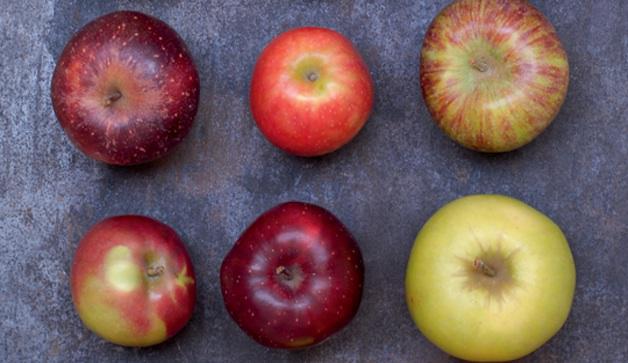
On one hand, you have a conventionally grown apple. On the other, you have one that's organic. Both apples are firm, shiny and red. Both provide vitamins and fiber, and both are free of fat, sodium and cholesterol. Which should you choose? Get the facts before you shop.
The word "organic" refers to the way farmers grow and process agricultural products, such as fruits, vegetables, grains, dairy products and meat. Organic farming practices are designed to encourage soil and water conservation and reduce pollution.
Farmers who grow organic produce don't use conventional methods to fertilize and control weeds. Examples of organic farming practices include using natural fertilizers to feed soil and plants, and using crop rotation or mulch to manage weeds.
The U.S. Department of Agriculture (USDA) has established an organic certification program that requires all organic foods to meet strict government standards. These standards regulate how such foods are grown, handled and processed.
Any product labeled as organic must be USDA certified. Only producers who sell less than $5,000 a year in organic foods are exempt from this certification; however, they're still required to follow the USDA's standards for organic foods.
If a food bears a USDA Organic label, it means it's produced and processed according to the USDA standards. The seal is voluntary, but many organic producers use it.
Products that are completely organic - such as fruits, vegetables, eggs or other single-ingredient foods - are labeled 100 percent organic and can carry the USDA seal.
Foods that have more than one ingredient, such as breakfast cereal, can use the USDA organic seal plus the following wording, depending on the number of organic ingredients:
Products that contain at least 70 percent organic ingredients may say "made with organic ingredients" on the label, but may not use the seal. Foods containing less than 70 percent organic ingredients can't use the seal or the word "organic" on their product labels. They can include the organic items in their ingredient list, however.
No, "natural" and "organic" are not interchangeable terms. You may see "natural" and other terms such as "all natural," "free-range" or "hormone-free" on food labels. These descriptions must be truthful, but don't confuse them with the term "organic." Only foods that are grown and processed according to USDA organic standards can be labeled organic.More at: www.mayoclinic.org

How to Eat Organic Foods on a Budget
"It really is a personal choice, but how can anyone think substances such as pesticides, capable of killing insects, can be good for you?" asks Marion Nestle, PhD, MPH, a food studies and public health professor at New York University. "If you can afford them, buy them. Given the choice, go organic, and if you can't afford them, try to buy [at least] the ones on the 'dirty dozen' list."
The "dirty dozen" refers to 12 fruits and vegetables that the nonprofit Environmental Working Group says are among the most susceptible to pesticide residue, and thus most profitable to buy organic. They are:
The Environmental Working Group also has a list of 12 fruits and veggies likely to have the fewest pesticide residues, which may not be worth the added cost of buying organic. They are:More at: www.webmd.com

Eating Organic
By Diane Di Costanzo. Photographed by Brad Barket and Daniel Root What's it like to feed a family an all-organic diet for a week? Diane Di Costanzo finds out.
For one week, I agreed that I would purchase only organic groceries for my family and report to Country Living on how it went. Like most Americans, I don't have an organic supermarket around the corner from my home. Nor do I have an unlimited grocery budget, so logistics as well as cost and time were factors I considered. The first order of business was determining exactly what "organic" means. According to standards set by the USDA, the label "100% Organic" indicates that the meat, poultry, eggs, and dairy products you're buying are free of antibiotics and artificial growth hormones and that produce has been cultivated without pesticides, synthetic fertilizers, or sewage sludge. Likewise, any product that has been irradiated or that contains bioengineered ingredients cannot be labeled organic (to learn more, go to ams.usda.gov).
"On Day 1, my fridge is empty and totally sponged down in anticipation of filling it with a week's worth of organic food." To do so, I drive 15 miles from my home, in Redding, Conn., to Westport's Wild Oats, a national chain of grocery stores in which 70 percent of the produce and 40 percent of packaged goods are organic. The 40-minute round trip takes more time and gas than I'd normally budget to buy groceries, but the store is incredibly clean, manned by knowledgeable personnel, and stocked with everything from organic oregano and frozen waffles to organic cream cheese, cantaloupes, tea bags, garbanzo beans, and oatmeal cookies. I purchase $157.32 worth of organic food.
Despite yesterday's shopping spree, I still need to pick up a few items. During a quick stop at my regular grocery, I calculate that roughly one percent of the entire store is devoted to organic packaged goods, dairy products, and produce. Finding what I need is not a problem, but there aren't many choices. There are only two organic cereals, for instance, one organic tomato sauce, and one brand of organic milk.More at: www.webmd.com
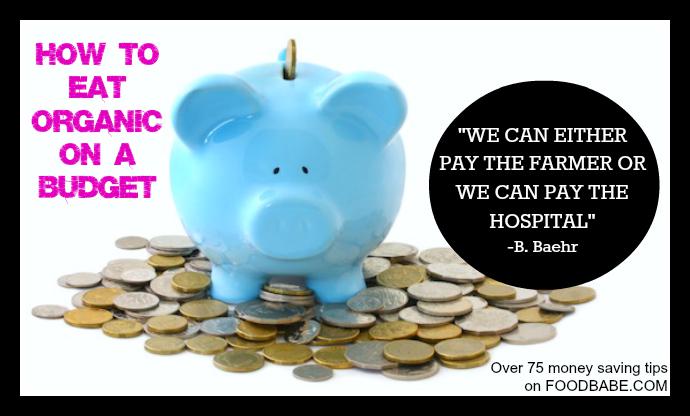
How To Eat Organic On A Budget
There are a lot of great tips in here, but PLEASE DO NOT BUY/ADOPT CHICKENS/HENS without *really* doing your own research first. Firstly, in many areas there are local zoning ordinances that make this illegal, so you could end up buying chickens only to have to spend time, money and energy to find them a new, legal home in the country somewhere (or get them put down!). More and more chickens are showing up in city animal shelters because people got them to get "free" eggs without realizing what they were getting themselves into, and most of these animals are put down because they are sick, injured, or there's just no one who can properly care for them.
Here are some more important facts to consider before bringing home a chicken:
- They only lay eggs for a few years. Just like how human women can only have babies in the life-stage between puberty and menopause, there are often many years of a hens life where she is too old or too young to lay eggs. Be aware that this is a living being, just like a dog, cat, human, giraffe, whatever, and you should make sure you are committed to taking care of her for her entire life, not just the few years that she is useful to you.
- Because they only lay eggs for a few years of their life span, it may not save you any money in the long run, since you will have to pay for food, water, shelter, possible veterinary care, etc., for the animal(s)' entire lives, not just when they're laying.
- Chickens (and their waste) can create health hazards, especially if they do not have proper facilities (a coup and a large enough pasture that they are not running around in their own poo all the time) and/or if their facilities are not cleaned regularly. This is particularly hazardous if you are pregnant, have young children, or are growing other food or raising other animals in close proximity. Most urban/suburban yards are not big enough or set up right to do both of these things in a way that is safe and hygienic.
STILL WANT A CHICKEN? Great! Just please, please do your homework first! Read up on how to properly care for them! I'm not saying don't ever get chickens. I'm just saying, if you want farm-fresh, organic eggs, buy eggs. If you want to raise chickens (and maybe get some eggs as a nice bonus), then adopt a chicken.More at: foodbabe.com
Top 10 Reasons To Go Organic
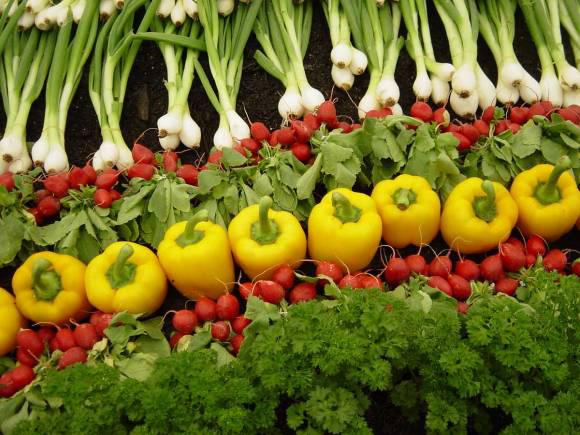
Eating organically grown foods is the only way to avoid the cocktail of chemical poisons present in commercially grown food. More than 600 active chemicals are registered for agricultural use in America, to the tune of billions of pounds annually. The average application equates to about 16 pounds of chemical pesticides per person every year. Many of these chemicals were approved by the Environmental Protection Agency (EPA) before extensive diet testing. The National Academy of Sciences reports that 90% of the chemicals applied to foods have not been tested for long-term health effects before being deemed "safe." Further, the FDA tests only 1% of foods for pesticide residue. The most dangerous and toxic pesticides require special testing methods, which are rarely if ever employed by the FDA. Organically grown foods have more nutrients-vitamins, minerals, enzymes, and micronutrients-than commercially grown foods because the soil is managed and nourished with sustainable practices by responsible standards. The conducted a review of 41 published studies comparing the nutritional value of organically grown and conventionally grown fruits, vegetables, and grains and concluded that there are significantly more of several nutrients in organic foods crops. Further, the study verifies that five servings of organically grown vegetables (such as lettuce, spinach, carrots, potatoes, and cabbage) provide an adequate allowance of vitamin C, whereas the same number of servings of conventionally grown vegetables do not. On average, organically grown foods provide: 21.1% more iron (than their conventional counterparts); 27% more vitamin C; 29.3% more magnesium; 13.6% more phosphorus Try it! Organically grown foods generally taste better because nourished, well balanced soil produces healthy, strong plants. This is especially true with heirloom varieties, which are cultivated for taste over appearance. Genetically engineered (GE) food and genetically modified organisms (GMO) are contaminating our food supply at an alarming rate, with repercussions beyond understanding. GMO foods do not have to be labeled in America. Because organically grown food cannot be genetically modified in any way, choosing organic is the only way to be sure that foods that have been genetically engineered stay out of your diet. (Here's what you need to know about GMO foods.)[pagebreak] Conventional meat and dairy are the highest risk foods for contamination by harmful substances. More than 90% of the pesticides Americans consume are found in the fat and tissue of meat and dairy products. The EPA reports that a majority of pesticide intake comes from meat, poultry, fish, eggs, and dairy products because these foods are all high on the food chain. For instance, a large fish that eats a smaller fish that eats even smaller fish accumulates all of the toxins of the chain, especially in fatty tissue. Cows, chickens, and pigs are fed animal parts, by-products, fish meal, and grains that are heavily and collectively laden with toxins and chemicals. Lower-fat animal products are less dangerous, as toxins and chemicals are accumulated and concentrated in fatty tissue. Antibiotics, drugs, and growth hormones are also directly passed into meat and dairy products. Tens of millions
More at: www.prevention.com
8 Easy Ways to Eat Organic on a Budget
Organic foods aren't the food chain outlier they used to be. These days, they're easy to find though they're still often hard to afford. And that's kept an age-old question alive: Are they really worth it? The short answer is yes, but they don't have to be budget breakers. Here's why and here's how.
More at: www.seventhgeneration.com

A Doctor's Top 4 Reasons To Eat Organic
Our great-great-grandparents subsisted on a completely organic diet. Modern or conventional farming methods that involve the use of genetically modified organisms (GMOs) synthetic fertilizers, pesticides, and herbicides simply did not exist back then. Over the last century, our diet and farming practices have changed significantly, however our bodies and our genetics have not. You can't expect to fuel your body and achieve optimal health by eating food, laced with toxic chemicals, that your body doesn't recognize. So, why settle for getting by when you can thrive? Here are my top four reasons to eat like your ancestors and adopt an organic* diet. *Look for a label that says "USDA Certified 100% Organic." Foods labeled "Organic" or "Made with Organic" may still contain some non-organic ingredients. Plants and animals termed "organic" have not been treated with: Pesticides and herbicides are by their very nature toxic, and your diet chronically exposes you to these dangerous poisons. The National Research Council claims that, in children especially, dietary intake of pesticides accounts for most pesticide exposure Animal products are no different. Most conventionally raised livestock are fed a combination of soy and corn, 90% of which is GMO. Their feed is also laced with hormones and antibiotics. Dairy cows are given a genetically engineered bovine growth hormone called rBGH to increase milk production. The forced increase in milk production causes infections, and the animals are dosed with antibiotics. These hormones and antibiotics make their way into dairy products and, eventually, your body. A study in 2005 demonstrated that in as little as 15 days, children adopting a primarily organic diet experienced a dramatic decrease in urinary concentrations of organophosphorus pesticides. You've likely been eating a conventional diet for years. Cleanse your body of toxic residues by substituting as much of your diet as you can with organic foods. GMOs are plants and animals that have been created by combining DNA of different species in a way that could not occur in nature or by traditional cross-breeding. They comprise a large percentage of commercial soy, corn , beets, and alfalfa crops in the United States. Genetic engineering alters crops to make them weather- and pest-resistant. GMO Corn for example was combined with bacteria in order to produce its own insecticide, called Bt-toxin. Bt-toxin kills insects by destroying the lining of their digestive tracts. The poison is not specific to insects and pokes holes in human cells leaky gut growing body of evidence prompted the American Academy of Environmental Medicine (AAEM) to publicly warn that "it is biologically plausible for Genetically Modified Foods to cause adverse health effects in humans." Bt-toxin was originally derived from bacteria, the DNA of which was combined with corn. Organic farmers actually use Bt-toxin-producing bacteria as an effective nematode control. The bacteria produce a much lower concentration of Bt-toxin. The higher potency Bt-toxin in GMO corn can't be washed off--it's part of the genetic makeup of the genetically engineered crop. 3. Organic farming is good for the earth. Organic farmers rely
More at: www.mindbodygreen.com
All About Organics | Organic Consumers Association
Organic Consumers Association Campaigns, Essays, Headlines, Action Alerts, Downloads and Videos on Organic Food. Organic food is pure food. It's safer, more nutritious and free of chemical additives. Organic crops are grown without chemical pesticides or fertilizers and organic livestock are raised without antibiotics, growth hormones or other drugs. Organic food isn't genetically modified or irradiated.
More at: www.organicconsumers.org

























Comments
Edit
Comment Flag
Cancel Update