
Pineapple as baby food? Read about the health benefits and nutritional information
V Saravana Kumar
Did you know that pineapple is neither a pine nor an apple, it is in fact a berry? How do you introduce this spiky-skinned fruit to your baby? Read on to find out nutrition facts and more about pineapple
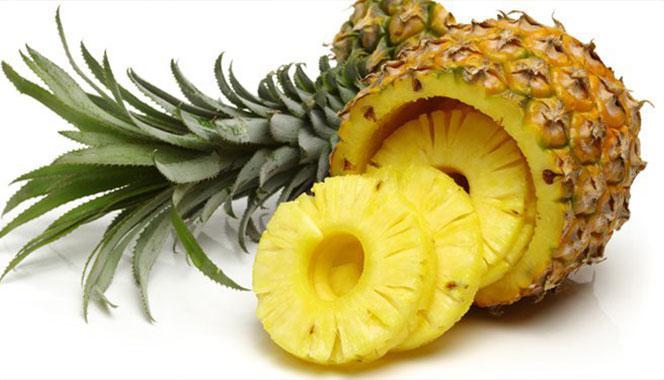
Don't we all love the juicy and delicious pineapple? Although it looks rough and spiny from the outside, it is soft and fleshy from the inside and has an awesome taste and aroma. All these aspects, together with the health benefits of pineapple, make it a must-have fruit. With an abundance of nutrients, including vitamins and minerals, the advantages of eating pineapple are many.
Pineapple: Nutrition facts
The distinctively sweet and tarty pineapple is rich in nutrients. It is low in calories and has almost no fat; but it has a high amount of sugar. It is a good source of vitamin B1 (thiamine), Vitamin C (ascorbic acid) and manganese.
Here's the nutritional value of raw pineapple (approximately 100g):
- Water 86g
- Energy 50kcal
- Protein 0.54g
- Total fat 0.12g
- Carbohydrate 13g
- Dietary Fibre 1.4g
- Sugars 9.9g
- Calcium 13mg
- Iron 0.29mg
- Magnesium 12mg
- Phosphorus 8mg
- Potassium 109mg
- Sodium 1mg
- Zinc 0.12mg
- Copper 0.11mg
- Vitamin C 47.8mg
- Thiamin 0.079mg
- Riboflavin 0.032mg
- Niacin 0.5mg
- Vitamin B6 0.112mg
- Folate 18mcg
- Choline 5.5mg
- Vitamin A 3mcg
- Beta carotene 35mcg
- Vitamin E (alpha-tocopherol) 0.02mg
- Vitamin K (phylloquinone) 0.7mcg
Data based on USDA (United States Department of Agriculture) - National Nutrient Database for Standard Reference
Health benefits of pineapple
From averting asthma to combating cancer, pineapple has so many health benefits. Let's find out more about the benefits of eating pineapple:
- Protects the skin: The Vitamin C in pineapple reduces wrinkles, enhances skin texture, prevents acne and pimples, and protects the skin from the damage caused by sunlight and pollution.
- Aids in digestion: Pineapple contains a group of enzymes called bromelain, which helps in easing digestion. The enzyme facilitates the breakdown of proteins into amino acids and peptides. This makes digestion easier, reduces bloating and improves gut health.
- Treats sinus: Bromelain reduces mucus and phlegm that accumulate in the respiratory tracts and sinus cavities due to viral infections. It also has curative effects on young children who have acute sinusitis. A report titled 'Musculoskeletal Inflammation and Natural Products: What the Science Says,' published in National Center for Complementary and Integrative Health states, "Findings from a 2006 systematic review of three randomized controlled trials suggest that bromelain is helpful in relieving symptoms of acute nasal and sinus inflammation when used as adjunctive therapy with standard medications such as antihistamines, analgesics, and/or antibiotics."
- Promotes weight loss: When you drink pineapple juice, the bromelain present in it metabolizes a protein which, in turn, burns excess belly fat.
- Improves hair health and growth: Vitamin C in pineapple makes the hair soft and shiny. Moreover, bromelain plays a big role in enriching the hair follicles and improving the elasticity and thickness of hair.
- Reduces inflammation: Bromelain is known to decrease the production of molecules that cause inflammation in the body. This helps decrease the incidence of joint pain, inflammatory bowel disease, and other inflammatory disorders.
- Boosts immunity: Pineapple is rich in healthy antioxidants which help the body in fighting diseases. The flavonoids and phenolic acids found in pineapple have antioxidant, antibacterial, anti-inflammatory and antiallergic properties. They boost immunity, thereby improving the body's disease-resisting ability.
When to introduce pineapple to your baby
With so many health benefits, is pineapple an ideal food for your baby? Of course, it is.
As your baby nears the 1-year milestone, you can introduce small portions of pineapple in her diet, along with other solid foods. You can either mash the pineapple or make a pure or smoothie to feed your little one. However, begin by feeding only a small portion, as you would need to check if your child suffers from pineapple allergy.
Allergic reactions in babies
Pineapple can sometimes be hard on your baby's digestive system. The acidic nature of the fruit may cause rashes around the baby's mouth and diaper rash. So, it's a good idea to feed pineapple only in small amounts at a time, preferably with other foods. Also, avoid giving pineapple wedges or chunks, as this could pose a choking hazard.
Side effects of eating pineapples
Although consuming pineapple provides us with many benefits, it has the flipside in the form of side effects and allergic reactions. Bromelain and vitamin C, the major compounds behind the goodness of pineapple, are responsible for most of these adverse effects. Some of the common side effects of pineapple include:
- Swelling of the mouth and cheeks
- Nausea and vomiting
- Diarrhea
- Skin rashes
- Headaches
- Anaphylactic shock
- Heartburn and regurgitation
However, it should be noted that these side effects are usually the result of excessive consumption of pineapple.
How to spot pineapple allergy
Signs of pineapple allergy show up within a few minutes to hours of consuming the fruit. Here are some of the common symptoms of pineapple allergy.
- Swelling of the face, tongue, throat and lips
- Flushing of the face
- Stomach pain
- Vomiting and diarrhea
- Difficulty in breathing
- Intense itching or hives
- Constipation
- Sinus problems and congestion
- Metallic taste in the mouth
- Dizziness and fainting
- Anaphylactic shock
How to choose a ripe pineapple
Pineapples are available at most grocery stores and fruit shops near you. But do you know how to choose the right fruit? Here are some tips:
- The color of a ripe pineapple is usually green with a yellow shade at the bottom.
- The leaves should look fresh and green.
- Smell the bottom of the pineapple. If it smells fresh, buy it.
- Squeeze the fruit gently. It should neither be too hard nor squishy, but just give in a little.
- You can keep pineapples fresh by refrigerating them in a perforated plastic bag for up to 3-5 days.
With changing tastes, this fruit is also eaten as pineapple tikka, grilled pineapple, pineapple-topped pizza, pineapple cheesecake and more. So, go ahead and make this storehouse of nutrients an integral part of your and your child's diet.
The Dot health and safety program empowers children with the skills to stay safe and healthy and make healthy food choices.


























Comments
Edit
Comment Flag
Cancel Update