
When And How To Start Solid Foods For Your Baby Safely
Dr Hemapriya Natesan
author parentcircle author parentcircle author parentcircle author parentcircle author parentcircle author parentcircle
Starting solids is a big milestone in your baby’s growth journey. Learn when to introduce solid foods, the signs your baby is ready, and how to make mealtimes safe and enjoyable
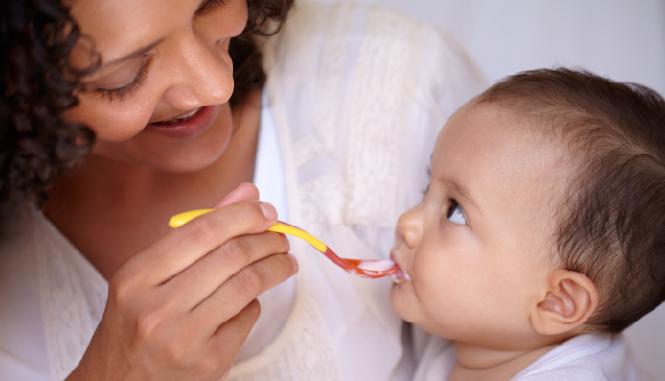
Motherhood is nothing short of a roller coaster ride. Right from the time of conception, mothers go through ups and downs in all aspects of life. During pregnancy, the joy of feeling those tiny feet kick inside the womb is coupled with the agony of swollen feet. At birth, post-partum blues accompany the mother's euphoria of finally being able to see her baby. As the months pass and the weaning stage approaches, conflicting emotions surface again. The mother, who was till then the baby's exclusive source of nourishment, is excited to introduce her baby to a variety of new foods.
Why starting solids is an exciting baby milestone
Weaning is an exciting milestone for both you and your baby. It’s the stage when your little one slowly transitions from an all-milk diet to tasting and enjoying solid foods.
Starting weaning at the right time not only supports your baby’s growth and development but also helps them explore new textures and flavors. Introducing solids gradually, while continuing breast milk or formula, ensures your baby gets the best nutrition and a smooth start to independent eating.
The right age to begin solids safely
One of the most common and important questions often asked is, 'When do I start solids for my baby?' The question is simple enough, but the answer is complex!
First of all, let's take a look at why this question is important. Why is the timing crucial for starting a baby on solids?
Prominent health organisations like the WHO (World Health Organization), IAP (Indian Academy of Paediatrics), and AAP (American Academy of Pediatrics) recommend exclusive breastfeeding till the baby is six months of age, and say solids should be started only after.
There are many reasons for this advice:
By the time a baby is six months old, they should have achieved the physical milestones required for eating solid foods, like losing the tongue-thrust reflex and having a stable neck.
If solids are introduced before the baby completes six months:
- It may lead to solids completely replacing breast milk, depriving the baby of the nutrients present in breast milk that he requires.
- The baby could develop constipation, flatulence, and vomiting, as the digestive system may lack the enzymes required to digest solid foods.
- The baby could fall ill, as babies aged less than six months are low in immunity, and any compromise in hygiene and sterilisation of the utensils used to feed the baby could lead to infections.
- The baby's risk of obesity will increase.
On the other hand, delaying the introduction of solids in a baby's diet can:
- Cause nutritional deficiencies, especially iron.
- Create resistance in the baby to try solid food, as they would have become accustomed to breast milk or formula milk.
- Increase the chances of food allergies. It is better to introduce foods that are common allergens early.
Having said that, remember, every baby is unique, and each one achieves milestones at their own pace.
Signs Your Baby Is Ready for Solid Foods
So, how does a mother decide it's the right time to start weaning? The best person to answer the question is the baby!
Yes, by closely monitoring the baby's development and hunger cues, mothers can determine if they are ready to start solids or not.
Here are five sure-fire signs that your baby is ready to start eating solid foods. Look out for them once they complete four months:
1. Your baby's neck and head are stable
One of the most important parameters that should be met before a baby can be fed solids is the stability of the neck and head. The baby should be able to hold the head upright without wobbling and should have good control of the neck muscles.
2. Your baby can sit upright when supported
It is essential to check if your baby can sit straight when adequately supported. When sitting upright, your baby is less likely to choke. A baby should never be fed in a lying-down or leaning-back position. A high chair is the best way to feed a baby, not just because it's better anatomically, but also because it promotes healthy eating habits.
3. The tongue-thrust reflex is gone
The tongue-thrust or extrusion reflex is found in newborns. The reflex prompts them to push out their tongues when their lips are touched. This reflex is essential for the initiation of breastfeeding and for the baby to learn to latch on. It wears off by the time the baby is about six months old. Only after it disappears can a baby take feeds from a spoon without spitting the food out or vomiting.
4. Baby's hand-eye-mouth coordination skills
For a successful introduction of solids into the diet, it is necessary to note your baby's hand-eye-mouth coordination skills. This means that your baby should be able to see the food or spoon, hold it, and take it to the mouth without too much trouble. If they've been able to do this well for a while, they might be ready to be weaned.
5. Baby shows interest in the food on your plate
A baby ready to be weaned will start showing a lot of interest in what you're eating and may even try to grab some food and put it into their mouth. Their tongue may move in and out as they watch you eat. If they show such signs and have achieved the requisite physical readiness, they might be ready to start solids.
It is important to note that all these signs are significant and that parents shouldn't rush through the weaning process before the baby is ready to be weaned. For instance, it isn't a good idea to add cereal to bottles and feed a baby who can't sit straight or eat from a spoon either. It'll cause more harm than good.
Now, your baby may display some signs other than those mentioned so far, and you may wonder if they signal weaning readiness. Some of them may, and some may not.
In a nutshell, pick up the signs your baby exhibits to decide when to introduce solids. If you're doubtful about whether your baby is ready for solid food, wait till they are six months old to start. Be sure to consult the paediatrician before you start your baby on solid feeds, particularly if you plan to do so before they complete six months of age.
Starting solids is a major milestone for both the baby and the mother. Introducing this big step at the optimum time ensures that both you and your baby will truly enjoy this exciting stage!
Last updated on: August 5, 2025
Have insights, questions, or tips to share? Join the discussion on nutrition here.

























Comments
Edit
Comment Flag
Cancel Update