
How To Handle Sleep Problems In Children
Amrita Gracias
Does your child have trouble falling asleep? Is his sleep always disturbed? Read on to find out how you can help him overcome these common sleep-related problems.
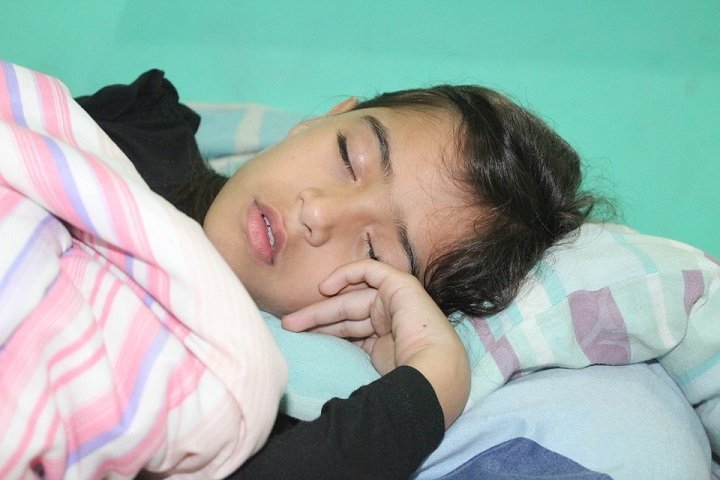
As parents, we cater to our children's basic needs like food, health, education, etc. But, do we focus enough on something as basic and significant as sleep? As children grow older, the need for adequate sleep often takes a back seat.
Sleep has a big impact on a child's development. According to an article published in a parenting website, something as simple as a nap might make a huge difference in how much a child learns. In fact, studies prove that poor sleep can lead to developmental difficulties among other problems. Healthy sleeping habits are important for the brain as it helps the mind relax and stay calm, providing it an opportunity to recharge and rejuvenate.
A study published in the journal 'Child Development' reported that sleep disorders can commonly occur in school-going children. Sleep-related problems can include: difficulty falling asleep, trouble sleeping continuously at night, difficulty staying awake during the day and disturbed sleep due to sleepwalking or nightmares
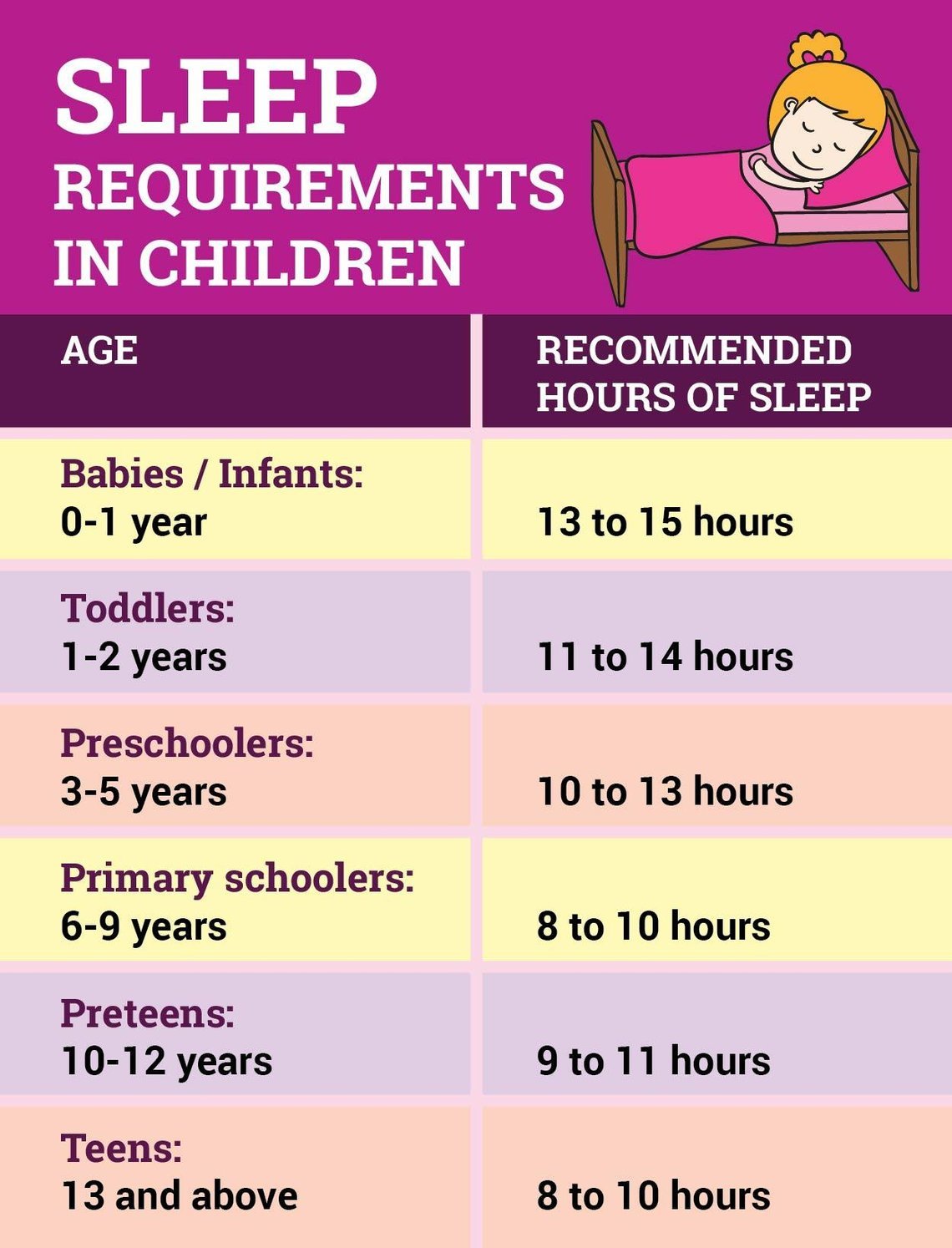
Insomnia, one of the major sleep problems that children face, is caused when:
- The child is extremely troubled about something. Perhaps, he is being bullied at school by other children or the home environment is unstable to his liking or he is facing a situation that he cannot deal with by himself.
- The child consumes too much caffeine or other stimulating substances such as energy drinks or chocolates before bedtime can prevent him from falling asleep.
- The child has a blocked or stuffy nose, a cold or even allergies could hinder a sound sleep in your child. It could even be a side-effect of certain medications.
A healthy diet and regular exercise is essential for every child. But, sleep is equally important as well. If your child does not get enough sleep, it may affect his health and development. The following article looks at ways to encourage healthy sleep habits in children.
Tips to ensure that your child has a good night's rest:
Establish a proper sleep schedule for your child: One of the first and important things to do when your child suffers from sleep problems is to ensure he follows a proper sleep schedule and that he follows it consistently. You could include a warm bath to help him fall asleep easily.
Tell your child a bedtime story: Reading out a bedtime story is a good way of putting your child to sleep. Which child does not love stories of dragons and fairies? Try to make this an everyday habit so that your child gets habituated to it and waits eagerly for it.
Try to go easy on the schedule: On weekends, you may allow him to deviate from this schedule mildly, but only by about an hour. Remember, children need to be dealt with softly sometimes.
Give your child his own bed: Your child should feel comfortable and safe with the bed and the room he is sleeping in. Make sure the temperature is ideal in the room (neither hot nor cold) and switch off all lights so there is no distraction.
No meals or coffee before bedtime: Make sure your child has no access to chocolates, sweets or any other caffeine-induced substances before bedtime. These items will only disturb his sleep.
Discourage use of gadgets before bedtime: Prohibit your child from playing electronic gadgets like televisions, computers, smartphones before going to sleep. In fact, you should ensure such items are switched off an hour before bedtime.
Note:In case, your child continues to have trouble sleeping, it is best that you consult your paediatrician without delay. He might suggest some supplements or medication to treat the problem.
There are numerous sleep disorders that can perturb a child's sleep such as excessive snoring and sleepwalking. Go through this ClipBook that looks at sleep disorders in children and suggests ways to handle the same.
Help your child understand the importance of sleep and explain to him the benefits of healthy sleep habits. His disturbed sleep routine might result in you having sleepless nights too!
Hope you liked this article. To get expert tips and read interesting articles on a wide variety of parenting topics, Subscribe Now to our magazine.
Ensuring that kindergarten students understand the importance of rest and sleep is a crucial aspect of The Dot health and safety program. Children learn about the benefits of adequate sleep and how it contributes to their overall health and ability to learn and play effectively.
































Comments
Edit
Comment Flag
Cancel Update