
Vegan Diet: Tips To Ensure Your Child Gets The Essential Nutrients
Priya Kathpal
Thinking about a vegan diet for your child? This World Vegan Day, we bring you simple tips to make sure they get all the essential nutrients they need to grow healthy and strong.
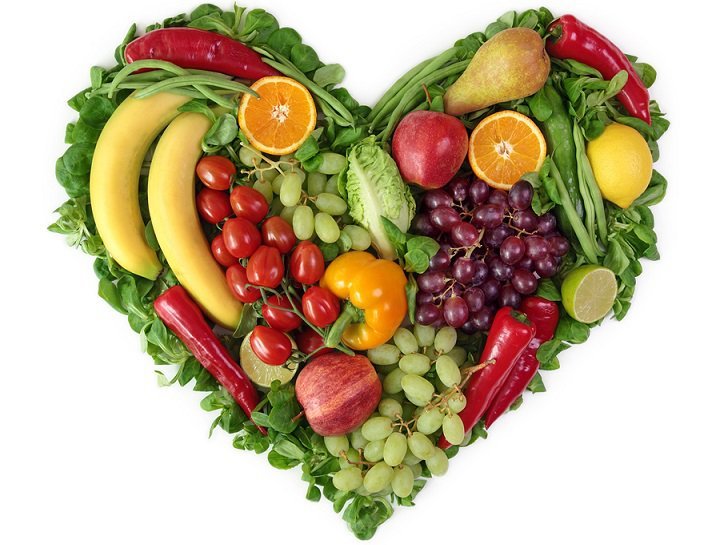
What is veganism?
As November 1 is celebrated as World Vegan Day globally, this is the right opportunity to look at veganism as a lifestyle and way of life. Veganism is about living a cruelty-free life, without using or consuming animal products in any form - be it in terms of diet or food (no eggs, meat, fish, or poultry) and also, clothing and accessories (not using silk or leather products).
Vegans, therefore, embrace plant-based food sources (cereals, pulses, fruits, vegetables, seeds, nuts, etc.). So, if you want to become a vegan, you will need to avoid even honey, as it is sourced from bees. What's more, unlike vegetarians, vegans also do not consume any dairy-based food products.
Vegans do not depend on milk or milk-based products as a source of nutrition. Naturally, this means that if you choose to become a vegan, you need to look for other sources of nourishment. In fact, the vegan lifestyle requires regular supplements in order to prevent any nutritional deficiencies.
Veganism and children
This begs the question, what about children? Can they also be raised on a vegan diet, considering that they need the best nutrition possible in their growing-up years for optimum growth and development? If you are a vegan and want to raise your child as one, do not worry about your child's nutritional requirements. A healthy and nourishing vegan diet will be sufficient and can compensate for the absence of animal or dairy-based sources of nutrition.
However, keep in mind that growing children need enough protein, calcium, and other nutrients to support growth. Since a vegan diet eliminates dairy, meat, eggs, fish, and other animal products, it leaves you visibly limited choices to achieve your child's nutrient needs. Special attention should be paid to providing vitamin B12, vitamin D, and iron.
Supplements for your child's vegan diet
So, how can you ensure that a child gets the required essential nutrients on a vegan diet? As a vegan, your child's diet must be supplemented in other ways.
Here is a list of some foods that can help make up for the deficiencies of a purely vegan diet:
Soy
With products like tofu, tempeh, and edamame, soybean is a whole source of protein. Tofu and tempeh also contain iron and calcium. These can also be used in a variety of recipes. Edamame is rich in probiotics, B vitamins, magnesium, and phosphorus.
Lentils
These are a source of slow-digesting carbs and are also protein-rich. Fiber from lentils feeds good bacteria and promotes a healthy gut. Lentils are also rich in folate, iron, and manganese.
Green peas
A serving of green peas gives more than 25% of your child's daily fiber, vitamins A, C, K, thiamine, folate, and manganese requirements. It is also a good source of iron, magnesium, phosphorus, zinc, copper, and several other B vitamins.
Pseudo cereals
Cereals like amaranth and quinoa are also great sources of protein and minerals.
Nuts
A great source of proteins, minerals, and healthy fats. Most nuts can be consumed in more than one way. For example, cashew cheese is a healthy and tasty option.
Seeds
Chia, flax seeds, and products made from them are good sources of fiber and omega-3 fats. You can add these to smoothie bowls, fresh juice, and shakes. And also, sprinkle over baked items.
Greens
Low-oxalate (oxalate is the molecule in plants that, on excess consumption, can lead to kidney stones), dark leafy greens are great sources of calcium for vegans - these include collard greens, turnip greens, mustard greens, kale, or bok choy. Besides calcium, these greens also contain potassium, vitamin K, and magnesium, which contribute to stronger bones.
While spinach, Swiss chard, and beet greens are high in calcium, due to their high content of oxalate, the calcium isn't well absorbed in the body. The high oxalate content binds calcium and prevents absorption from the digestive tract.
Other sources of calcium for vegans include fortified drinks, calcium-set tofu, oranges, figs, and supplements.
Keep in mind that besides natural foods, your child will need to be given fortified foods and supplements for certain nutrients like vitamin B12 and vitamin D. Apart from the choice of food, how it is processed is also important. Sprouting and fermenting are methods to increase nutrient absorption and reduce the anti-nutritional properties of many foods.
Also read: Giving your child nuts and dried fruits
Some healthy vegan meals:
- Vegan pancakes that can have coconut oil in place of eggs
- Beans and toast
- Black beans with quinoa
- Snacking on seeds like pumpkin seeds
How to make cashew cheese
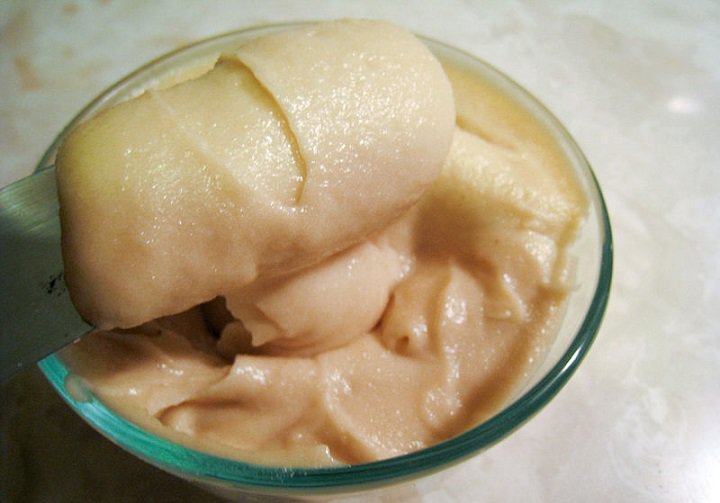
If you are a vegan and you still want to make pizza for your child, then look at cashew cheese as a substitute for regular cheese. As the name suggests, this is made from blended cashews. Here is an easy recipe:
Ingredients
- 1 cup cashews
- 1 tsp lemon juice
- 1 tsp apple cider vinegar
- 1 tsp garlic powder
- 1 tsp salt
- 2 tbsp cornstarch
- 1 cup cold-pressed virgin coconut oil
- 1 cup water
- 1 cup nutritional yeast
Method
- Soak the cashews for 10 minutes in boiling water.
- Drain and then place cashews in a blender along with the rest of the ingredients.
- Process until smooth.
- In a saucepan, add the cashew cream or paste and bring to a boil, stirring constantly until it thickens.
- Pour into lightly oiled ramekins and refrigerate for at least 2 hours.
- To remove, flip each ramekin upside down and tap the contents onto a board. Your cashew cheese is ready!
Going the vegan way can help your child eat healthy from a very young age. Also, as veganism is about living a cruelty-free life, becoming vegan can make your child more aware of food choices. However, do ensure that the diet you provide includes the four food groups - legumes, whole grains, vegetables, and fruits, and also, the essential required supplements.


























Comments
Edit
Comment Flag
Cancel Update