
Vegetarian Diet For Babies And Toddlers: Nutrition Tips Every Parent Should Know
Aarthi Arun
Thinking of raising your baby or toddler on a vegetarian diet? Learn how to ensure they get all the essential nutrients for healthy growth and development, with simple tips for balanced, plant-based meals
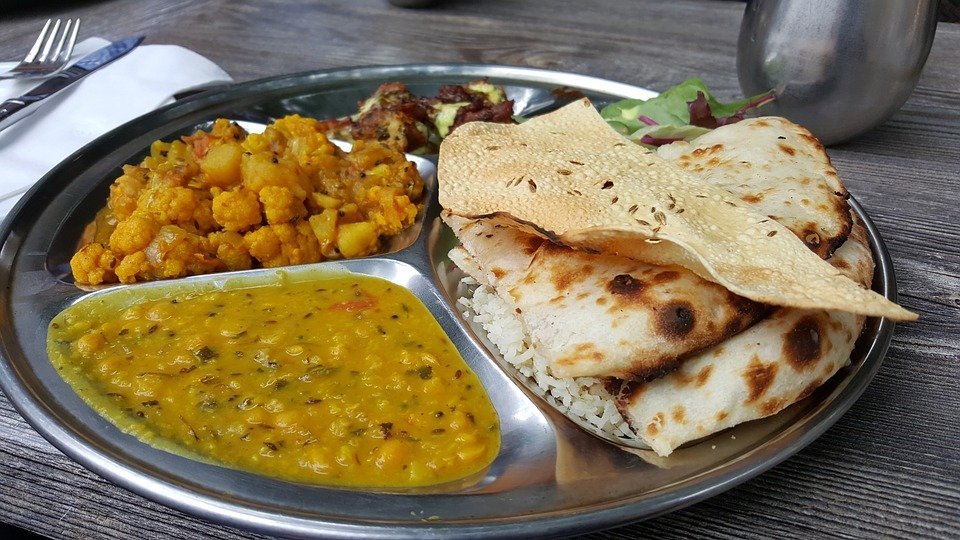
Vegetarianism has always been a big part of Indian culture. Lately, more and more meat-eating Indians are switching to a vegetarian lifestyle for health reasons, personal values, or to feel better overall.
A vegetarian diet can be extremely healthy because it is low in cholesterol and trans fats, and is high in fibre and antioxidants. However, there is a catch: you must be mindful of consuming the right balance of macronutrients (carbohydrates, proteins, and fats) and micronutrients (vitamins and minerals) when following a vegetarian diet. It is easy to miss out on key nutrients like proteins, vitamin D, B12, zinc, and iron on a strict vegetarian diet. If your child is growing up in a vegetarian household, you must ensure that they get the right foods that promote their growth. On World Vegetarian Day, let's see how you can help your tiny tot grow healthy on a no-meat diet.
Breastfeeding is essential
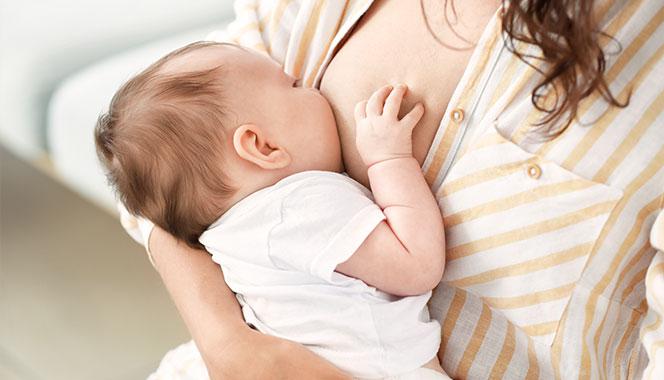
Whether you're raising your child vegetarian or otherwise, breastfeeding is vital to boost your little one's immunity. The World Health Organization (WHO) recommends exclusive breastfeeding for your baby for the first six months. Since breast milk is specially made for your child, it has the right amount of nutrients to help her grow and be healthy. Therefore, you must have a variety of nutritious foods when you're breastfeeding your baby. If you're unable to breastfeed your baby for some reason, you can opt for fortified formula milk. Remember, cow's milk is not suitable for babies younger than 12 months.
Don't forget the proteins
One major concern when opting for a vegetarian diet is your child's protein intake. Protein is necessary for your child's muscle growth. So, make sure you include proteins like dal, green peas, chickpeas, and dairy in the form of milk, paneer, and yoghurt in your child's meal. If possible, you can include boiled or scrambled eggs in your child's diet after they turn one. Even if you are not feeding eggs to your child, don't worry, they can get protein from other sources.
Healthy fats for brain growth
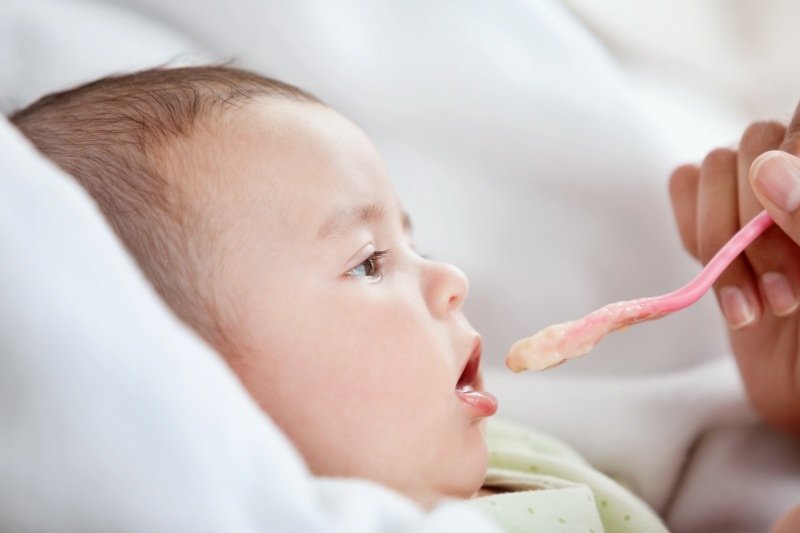
Nuts are not only delicious but also provide your child with the much-needed Omega-3 fatty acids. They are also rich in zinc, calcium, and iron. You can offer nuts in the form of nut butter as soon as you start your baby on solids. Add a teaspoon of nut butter to your baby's cereal, and you have a nutrient-dense meal to power up energy. Toddlers can have nut butters spread on toast or rotis. You can add chopped nuts and dry fruits to your child's porridge and salads to make them nutritious and enticing. Whole nuts can cause choking in young children, so wait till your child turns five to offer them. Include healthy oils, butter, and ghee to enhance your child's brain power.
All about iron
There are two types of dietary iron, known as heme iron and non-heme iron. Heme Iron is only found in non-vegetarian sources like meat, poultry, and seafood. It is also easily absorbed by the body. Non-heme iron, which is found in plant sources like grains, legumes, and vegetables, is not as easily absorbed by the body as heme iron. For your child to absorb iron from plant sources, you must pay attention to their meal composition. Adding foods that are rich in citric acid and vitamin C to your child's meal helps absorb iron better.
Watch out for the deficiencies
The nutrients like vitamin D, B12, and zinc are abundant in non-vegetarian foods but are negligible in vegetarian foods. If your toddler is following a lacto-vegetarian diet, which includes milk products and eggs, there is nothing to worry about. Your toddler needs two servings of milk per day. The IAP (Indian Academy of Pediatrics) recommends vitamin D supplements for exclusively breastfed babies. It is a good idea to have a word with your child's paediatrician about supplements for your child.
A word on fibre
Eating fruits, vegetables, and legumes that are full of fibre is great for your toddler. However, fibre can quickly fill your child up, but without providing much energy. Your child should eat enough carbohydrates in the form of grains, millets, and nuts to replenish her energy. Moreover, fibre can interfere with the absorption of iron. So keep an eye on your child's fibre intake.
Contrary to popular belief, an unbalanced vegetarian diet that is may not be inherently nutritious. Potatoes are vegetarian, but gorging on a bowl of French fries is far from healthy for your little one. Your child requires fresh, homemade, well-balanced, nutritious meals to grow stronger every day. Variety is the key, so stock up on those colorful vegetables and fruits.



























Comments
Edit
Comment Flag
Cancel Update