
Dealing with the dilemma of picky eaters. Parents, here are some useful tips
Uma V Raghavan
author parentcircle author parentcircle author parentcircle author parentcircle author parentcircle author parentcircle
Is your child fussy about the food they eat? Do they pick out the vegetables and push them aside? Worry not. This article will help you deal with your fussy eater
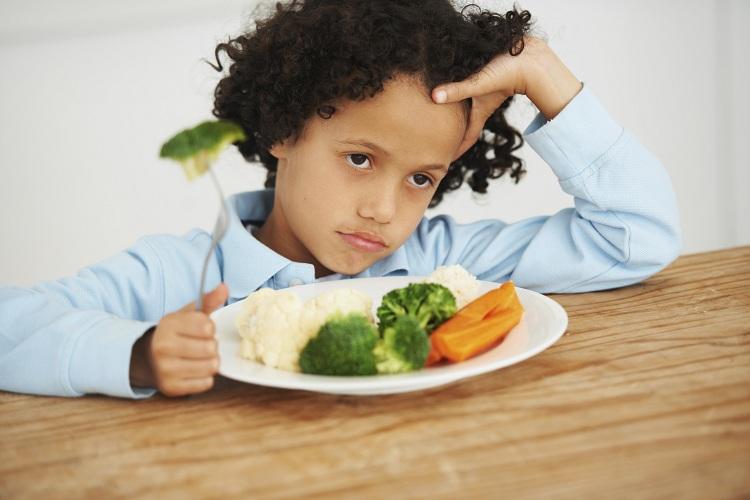
If your child's habit of being a picky eater is not addressed appropriately, it can lead to various health problems as they grow older. For instance, if they like to eat only cooked white rice and always ignores the chapathis on the table because they need to be chewed on more, likely, this preference for soft foods will not help strengthen their teeth! Picky eaters who choose junk foods over nutritious foods can develop nutritional deficiencies. Sometimes, picky eating can become a vexatious behavioural problem.
What makes children picky eaters
Parental pressure
Children start eating meals by themselves when they are 3 or 4 years old. This period also marks the start of food battles between mothers and children. During meal time, parents become watch-guards for the child. The constant nagging to make children empty their plates or take a second helping puts them under pressure to perform. Pressure makes any activity unenjoyable. When the child has to keep trying to match their parents' expectations, the joy of eating diminishes. Eating becomes a 'task,' and such children often start gagging or throwing up.
Ultimately, the child sticks to 'familiar and safe' foods, refusing to try out new things. However, they happily eat food brought from outside or given by the neighbour - where there is no pressure whatsoever by the parent 'to clean the plate.' (Strangely, moms tend to be very particular when it comes to food cooked by them being thrown away and less fussy when the food is obtained from elsewhere!)
Monotonous food
Some children get a little bored with the same kind of food over time and want a change. They want to see a variety of foods in the form of different cuisines, colours, and flavours. Children's taste buds constantly evolve with age, but mothers often miss this pointer, and this makes the child a picky eater.
Food fads
Children pick up food fads over a period of time as they get exposed to new and external food environments. TV commercials also play a vital role in this process. When ten flavours of potato chips are available in the market, homemade chips tend to look a little unexciting. Unfortunately, many of these processed, fast foods available outside also have some addictive components that make children renounce the taste of home-cooked food. So, you will probably find that a bag of branded potato chips gets chosen over a plate of fruit. You can allow children to indulge in food fads occasionally, but they should not think they can get away with it all the time.
Irregular food routine
Children form eating habits when they are 3-4 years old. A proper routine ensures that eating tantrums are completely eliminated. The timings of school lunch and snacks should be taken into consideration. A child trained with a specific food routine will hardly be choosy about foods.
Food communication gap
Do you know that most mothers have a 'food communication' gap with their children? This can make children poor eaters. Often, the child's appetite is over-estimated. We give our children the freedom to say 'No' if they are full. But, we do not always pick up these signals at the right time. The golden dictum is that children will never starve. So, never force them to eat, for this, in the long run, can make them picky eaters.
Stress (other causes)
It is pretty bizarre for 3-6-year-olds to have stress. However, it can lead to stress when children are over-exposed to junk foods/sugary foods, electronic media, and less physical activity. Picky eating can be an offshoot of a stress-induced problem.
Handling picky eaters
Understand your child's appetite: Don't force them to eat if your child isn't hungry. Likewise, don't bribe your child to eat certain foods or force them to empty their plate. This can only ignite or reinforce a power struggle over food. In addition, your child will learn to associate mealtime with anxiety and frustration. Serve small portions to avoid overwhelming your child and give them the opportunity to ask for more independently.
Stick to a food routine: Serve meals and snacks at about the same time daily. Provide juice or milk with the food, and offer water between meals and snacks. Allowing your child to eat between meals can decrease her appetite.
Introduce only one new food at a time: Young children often touch or smell new foods and may even put tiny bits into their mouths and take them out again. Your child may need repeated exposure to a new food before they take the first bite. Encourage your child by talking about a food's colour, shape, flavour, and texture, and not about its taste. Serve new foods along with your child's favourite foods.
Make eating fun: There are yummy ways of serving vegetables using food art skills. Try different fun recipes - for example serving veggies mixed with a favourite chutney (like mint/coriander chutney) or with bhel puri sweet sauce (made with dates). Offer breakfast foods for dinner. Serve a variety of brightly coloured foods. Try different fun recipes and involve kids in cooking. Read aloud from food-related books to children, which tells them about the nutritional value of the food they are eating so that they feel good about it.
For example, payasam (kheer) which contains almonds, dates, and raisins, provides calcium, vitamin C, and more, and is heart-friendly.
Go shopping for food ingredients with your kids: At the supermarket, ask your child to help you select fruits, vegetables, and other healthy foods. At the grocery, teach them to differentiate between fresh and processed foods. Don't buy anything that you don't want your child to eat. At home, encourage your child to help you rinse veggies, stir batter, mix dough, set the table, and even clean the refrigerator.
Never prepare separate food items for your child: Preparing a separate meal for your child after they reject the original meal can promote picky eating. Encourage your child to stay at the table for the designated mealtime, even if they don't eat. Keep serving your child healthy choices until they become familiar and preferred.
Set a good example: Do not discuss too much about food choices and tastes, or reject particular foods in front of your children. Eat healthy foods. Children observe their parents' eating habits and follow suit.
Have food theme get-togethers: Invite your children's friends for small get-togethers with some healthy food as the theme. Children tend to bond with their peer group and learn from each other. So, you can make them eat without any fuss, and slowly, they will come out of their food inhibitions.
Have junk food dates: Have a date with junk food for your child. Make it a point to indulge them only on those days. Remember that your child's eating habits may not change overnight - but the small steps you take each day can help promote a lifetime of healthy eating.
Uma V Raghavan is a Chennai-based consultant nutritionist and diet counsellor for children.



























Comments
Edit
Comment Flag
Cancel Update