
Meal Planning Made Easy! Expert-Approved Sample Meal Plans For Babies To Teens
Dr Neha Sanwalka Rungta
Wondering if your child is eating enough and eating right? We asked a nutritionist to share some sample meal plans from babies to teens, there's something for everyone!
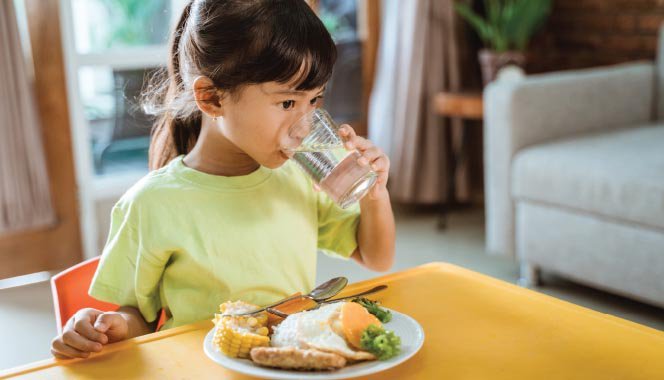
Is my child eating enough, or is she overeating? Is she getting the right amounts of necessary nutrients, or am I guilty of feeding her sugary cereals and fat-laden snacks to make her feel better during this pandemic? What foods should she eat for her growth and development? If these questions have been plaguing you for quite some time, it's time to put your worries to rest. Here are some age-wise guidelines to plan nutrient-dense meals for your child, along with tips to instill healthy eating habits.
Note: These are sample meal plans. If you have specific concerns about your child's diet or health, consult your pediatrician who may recommend a dietitian based on your child's needs.
Birth to 1 year
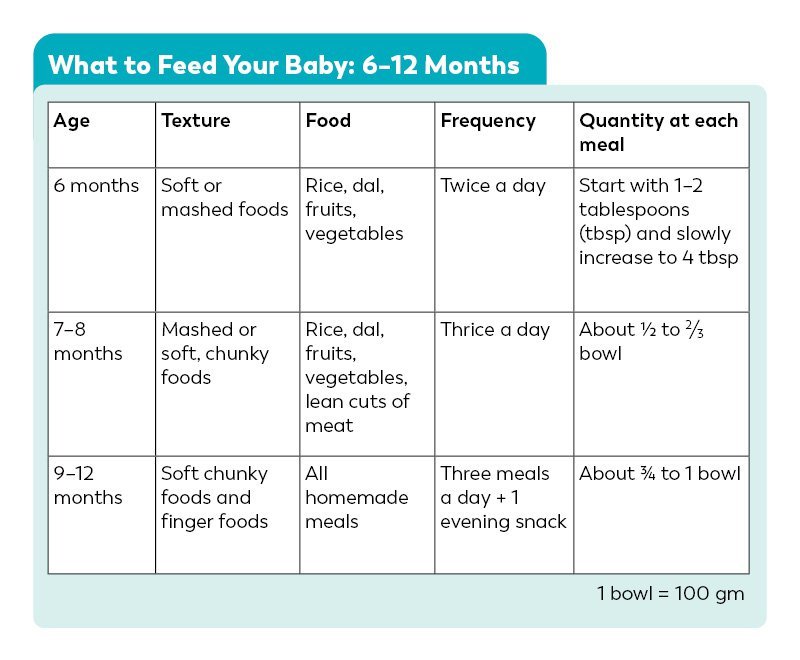
An infant should be exclusively breastfed for the first six months, and complementary feeds should be introduced once the baby reaches six months of age. Start with soft, mashed foods and slowly transition to chunky and finger foods by the time your baby turns one.
Things to remember
- Continue breastfeeding up to 2 years of age.
- Introduce one type of food at a time to your baby and keep a lookout for allergic reactions whenever you give your baby new food.
Tips
- Do not force-feed your baby, especially when he refuses to eat a new food. Instead, try to reintroduce the food after a few days.
- Practice baby-led feeding practices—instead of feeding your baby, let them eat by himself. Baby-led feeding helps develop hand-eye coordination, chewing skills, and healthy eating habits.
Ages 1-3
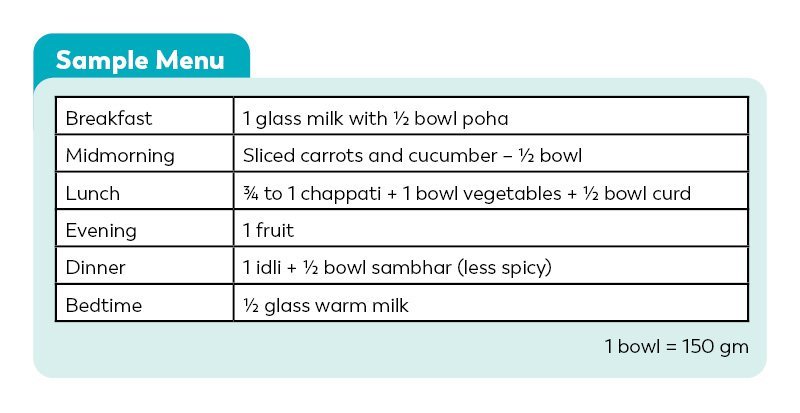
During toddlerhood, the growth rate is slower than that of infancy. At 13 years, your child starts forming habits, and you need to inculcate correct eating habits in your child.
Things to remember
- Some toddlers may exhibit fussy eating habits. Never force-feed or bribe your child to get her to eat.
- During mealtimes, do not distract your child by showing her videos on the mobile phone or making her watch TV. Make sure she is completely invested in eating and not in other activities.
- Don't cook special foods for your child. Give her the foods that are prepared for the adults in the house. Just make sure to set aside a portion for your toddler before adding spices to foods. Preparing the same meal for everybody and eating homecooked meals as a family will help you inculcate healthy eating habits in your child.
Tips
- Make sure your child drinks 3 to 4 glasses of water a day.
Involve your child in food-related and cooking decisions. Take her with you when shopping for groceries and explain to her the nutritional benefits of different foods as you buy them. Also, if you have a kitchen garden at home, get her to plant and care for her favorite veggies or herbs.
Ages 4-6
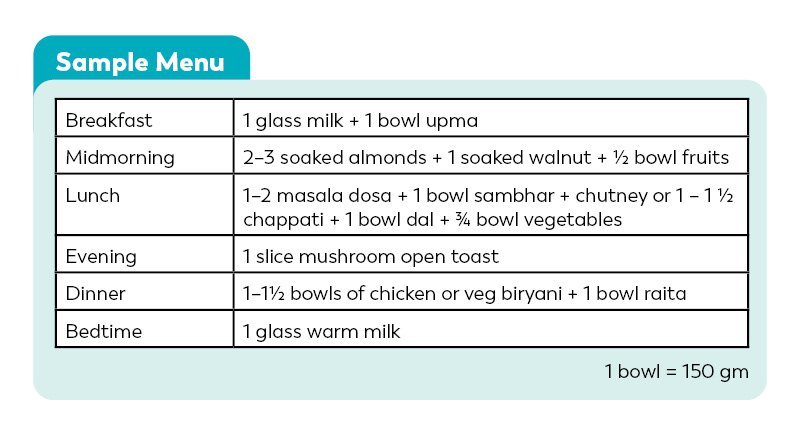
Children usually start going to school at this age and are exposed to a wide variety of foods. At this stage, it's best to interact more with your child and learn about what they would like to eat and make healthier versions of those foods.
Things to remember
- Make sure to include a protein source in the packed lunch, such as eggs (boiled, scrambled, or omelet), paneer (stir fry or gravy), and pulses (rajma curry, chickpea salad).
- Pack some cut vegetables and fruits in the lunch box.
Tips
- Restrict desserts to a maximum of twice a week right from this age.
- Avoid giving biscuits, cakes, and fried foods in packed lunches.
- Include a variety of foods in your child's diet to avoid monotony.
Ages 7-9
Emotional eating can often be observed in children of this age group, as they are just starting to experience study-related stress. So, be on the lookout for emotional eating.
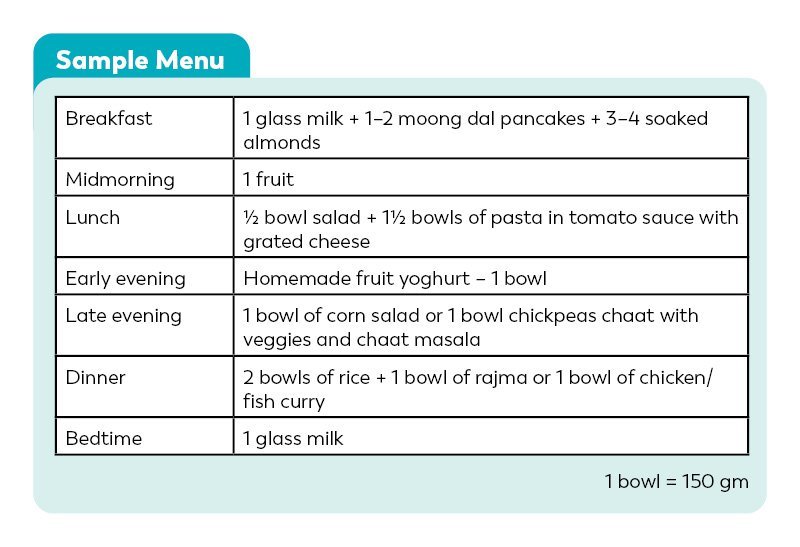
Things to remember
- Follow the packed tiffin guidelines given for kids aged 4 to 6 years.
- This is an age at which many children start avoiding milk due to various reasons. Milk is a very important source of calcium in our diet. So, if your child refuses milk, include other milk products such as curd or paneer in her daily diet. Also, include other sources of calcium, such as green leafy vegetables, garden cress seeds, and sesame seeds.
Tips
- Due to industrialization and a sedentary lifestyle, some children may experience signs of early puberty (7-8 years in girls; 8-10 years in boys). As early puberty is linked to growth-related issues in later life, if your child shows any signs of puberty during this age, consult a pediatric endocrinologist immediately.
- Today, it's very important to teach both boys and girls how to cook to lead an independent life later. Children in this age group can help with simple kitchen tasks, and involve them in the process of cooking. Soon, your child will not only become independent but also begin to understand healthy eating and cooking habits. When your child is 8 or 9 years old, ask them to wash the vegetables or shell peas. As they grow older, you can get them to chop vegetables and help you prepare healthy meals. You can even help your child make simple sandwiches, or show them how to create a balanced meal.
Ages 10 -18
As puberty usually starts around age 10, there's an increased demand for energy and proteins when your child is in a growth spurt. So, it becomes important to include protein sources—dal, pulses, eggs, chicken, or other lean meat in the three major meals. Also, during the teenage years, children develop autonomy over their food choices. They choose what they want to eat. With access to pocket money, teens often eat out at school or college canteens and tend to prefer more sugary or high-fat foods. To satisfy their food cravings, try making healthier versions of different foods with less fat or sugar (e.g., instead of store-bought pizza, make pizza at home with whole wheat flour, more veggies, and less cheese, or with low-fat cheese).
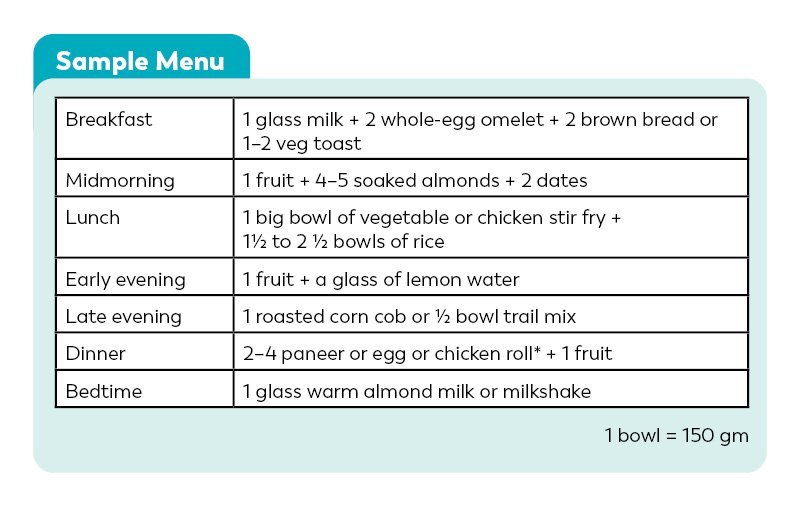
Things to remember
- During the teenage years, peer pressure, exam stress, and even boredom can affect your child's eating habits. So, keep watch over your child's eating habits to ensure that they don't eat excess sugary and fatty foods out of boredom, or to relieve stress.
- In their desire to maintain the perfect body, many teenagers develop eating disorders, such as anorexia nervosa or bulimia. If your teen is skipping meals or losing large amounts of weight in a short period or shows any other signs of eating disorders, consult a doctor immediately.
- Teens often avoid eating fruits and vegetables, which are loaded with many micronutrients. So, make sure your child has 3-4 servings of fruits and vegetables daily to meet their nutrient needs.
Tips
- Seed cycling, or eating specific seeds during periods, can be beneficial in regularizing menstruation. Once your child gets her period, you can introduce her to seed cycling. For the first 14 days (i.e., the first day of the period till the fourteenth day), add a tablespoon of flaxseeds and a tablespoon of pumpkin seeds to her diet, and for the next 14 days, add a tablespoon of sunflower seeds and a tablespoon of sesame seeds to her diet.
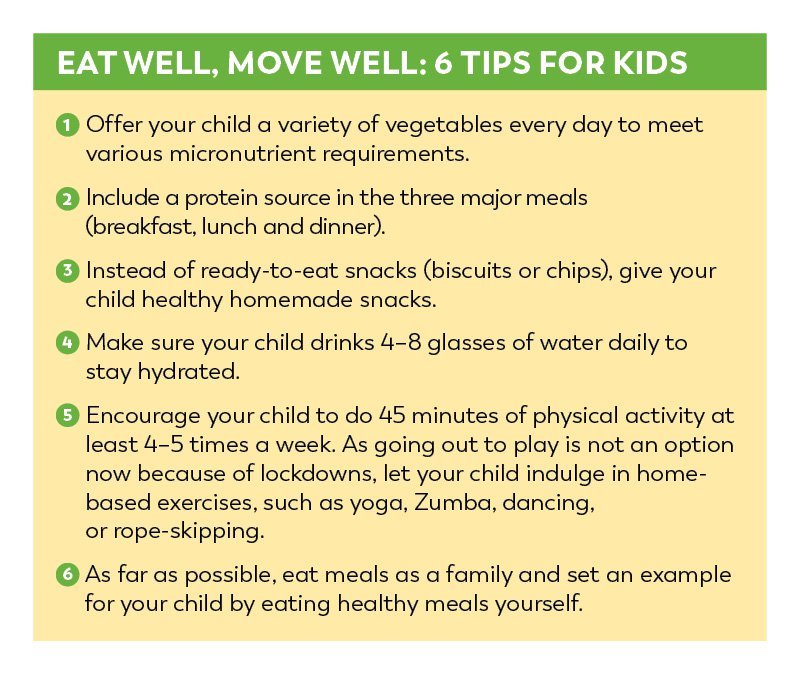
Dr Neha Sanwalka Rungta is a nutritionist and director of Nutricanvas, an organization involved in nutrition research and biostatistics education.






















Comments
Edit
Comment Flag
Cancel Update