
9 Ways To Help Your Child Develop Healthy Eating Habits And Make Better Food Choices
Smitha Suresh
Want your child to eat healthier without turning every meal into a battle? Discover 9 simple, practical ways to build healthy eating habits, encourage better food choices, and help your child develop a positive relationship with food
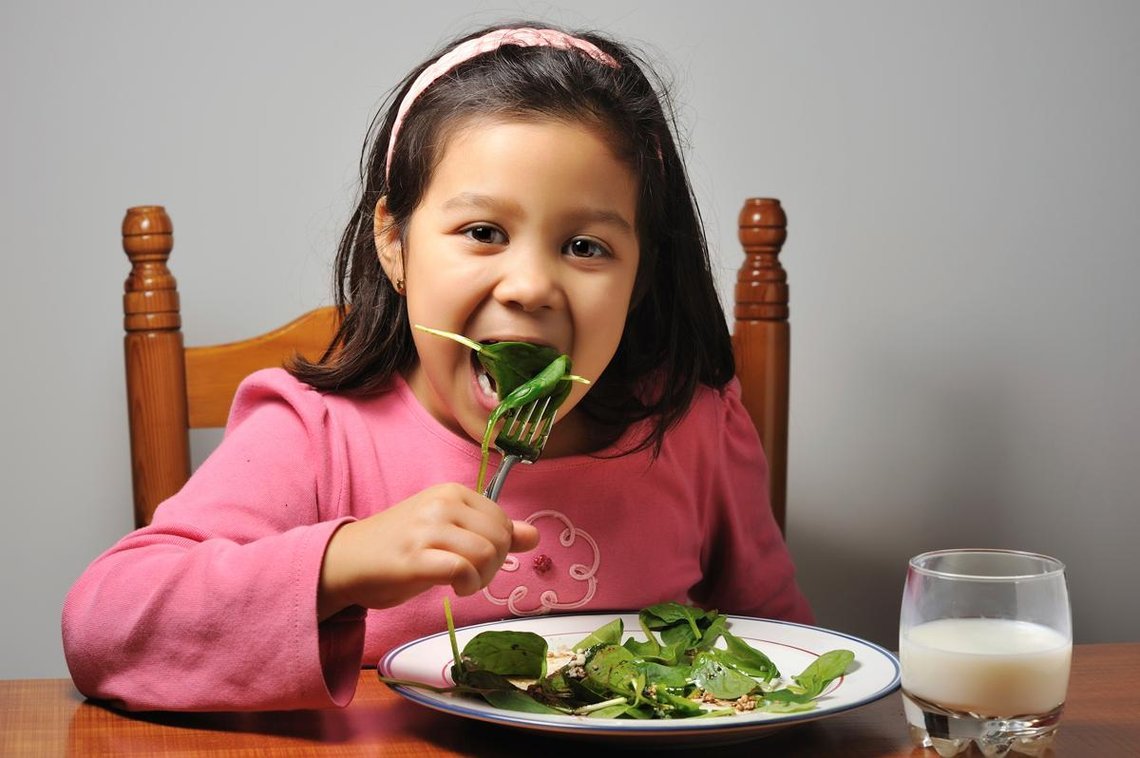
Feeding my children is sometimes a constant struggle as they complain that the healthy food I make isn't tasty.
Have you ever felt that way?
It may be easy to blame TV ads, your child's friends, what other mums serve their children, or the kind of food available at the school. But children also learn about food from what they see, experience, and practise at home.
You can help your child develop healthy eating habits and gradually learn to make nutritious food choices for themselves. You don't have to ban every food they enjoy or make every meal a battle. Instead, create a healthy food environment, involve them in food-related activities, offer choices, and model the habits you want them to develop.
Here are some simple ways to get started.
1. Let them choose what they want from healthy options
Explain what makes a meal nutritious, then give them some choices within the foods you offer.
For example, ask, “Would you like idli or dosa?” or “Would you like cucumber or carrot with your lunch?” You can also involve older children in planning a weekly menu so that you can shop accordingly.
You can decide what nutritious foods are available, and children can choose from the options and how much they eat.
Make healthy foods easy to find at home. Keep fruits, vegetables, and other nutritious foods readily available, and highly processed snacks less prominent.
Most importantly, don't turn every food choice into a lesson. Children learn best when healthy choices become a normal part of everyday family life.
2. Educate your children before you take them shopping
Teach them about different foods and, as they grow older, introduce them to nutrition labels. Make the whole experience of selecting food a game for them.
Ask them to compare two similar packaged foods. What are the first few ingredients? How much sugar or salt does each contain? Which one has more fibre? Explain that the aim is not to find 'good' and 'bad' foods, but to understand what is in the food and make informed choices.
You can also let your child choose a new fruit, vegetable or healthy ingredient to try each week.
Fresh fruits and vegetables, pulses, whole grains and other minimally processed foods can form the foundation of family meals, while foods high in sugar, salt and unhealthy fats can be eaten less often. (ICMR National Institute of Nutrition)
3. Have them grow a herb garden
It could be coriander leaves in a flower pot or a whole kitchen garden.
While watering the plants, teach children about the time required for herbs and vegetables to sprout and grow, and about the role of sunlight, water and nutrients.
When children see how much time and effort goes into growing food, they could become more curious about where their food comes from and more willing to taste something they have helped grow.
This is also a good opportunity to talk about food waste. Instead of forcing children to finish everything on their plate, encourage them to take a small serving first and ask for more if they are still hungry. This helps them learn to listen to their hunger and fullness cues.
4. Enlist their support in the kitchen
Children can learn a great deal about food by helping to prepare it.
Young children must not come near an open flame or handle dangerous objects such as knives, mixer blades, and peelers. Instead, they can help with mixing, stirring, washing vegetables, making sandwiches, kneading, and washing dishes.
As children grow and develop the necessary skills, they can gradually take on more complex kitchen tasks under adult supervision.
Teach them about the ingredients that go into making a dish. Start with their favourite foods to get them interested.
Children learn about food and nutrition at school. Help them apply their learning at home. They may pay more attention in class when they appreciate the value of what is being taught.
5. Be a role model
Children learn a lot about food simply by watching us.
If you want your child to eat a variety of nutritious foods, include those foods in your meals. Eat together so they can see you enjoying fruits, vegetables, pulses, whole grains, and other foods. Indian families already have a wide variety of nutritious traditional foods to choose from.
Avoid constantly talking about foods that you are 'allowed' or 'not allowed' to eat. Instead, make balanced eating a normal part of family life.
6. Keep offering new foods without pressure
What if your child refuses a vegetable or says, “I don't like it”?
Don't give up immediately, and don't force them to eat it either.
Children may need repeated opportunities to get used to a new taste, smell, or texture. Offer a new food alongside something they already enjoy and allow them to decide whether to eat it.
You could say, “You don't have to eat it today. You can taste it if you want.” One rejection does not mean your child will never like that food.
Avoid insisting that children finish everything on their plate. Encourage them to pay attention to whether they are hungry or full. Responsive feeding involves recognising and responding to children's hunger and fullness cues rather than forcing them to eat. (World Health Organization)
7. Don't label foods as 'good' or 'bad'
Choose words such as “nutritious”, “energising” or “foods we eat more often” and “foods we eat less often”.
Help children understand that different foods provide different nutrients and that healthy eating is about the overall pattern of what we eat, not one particular food or meal.
Foods high in sugar, salt, or saturated fats need not become forbidden or frightening. Instead, explain that these are foods we enjoy less often, while nutritious foods form a regular part of our meals.
Similarly, don't make children feel guilty for enjoying a favourite food. You can say, “We don't have this every day, but we can enjoy it sometimes.”
This helps children understand that liking a food and choosing it often are two different things.
8. Try not to ban or forbid foods
Strictly banning a food can sometimes make it seem even more attractive. Unless there is a genuine health or safety reason to avoid a particular food, focus on balance rather than prohibition.
Similarly, don't label food as a reward or use it as a punishment.
For example, avoid saying, “Finish your vegetables, and I'll give you chocolate.” It can make vegetables feel like something unpleasant to be endured to earn a desirable food.
It is alright to use words such as “like”, “prefer” or “yummy” to describe foods. But help children understand that foods they enjoy are not necessarily foods they need to eat all the time.
Don't use food as a reward or punishment, and don't use bribes just to get your child to eat.
9. Send healthy food in their lunch box
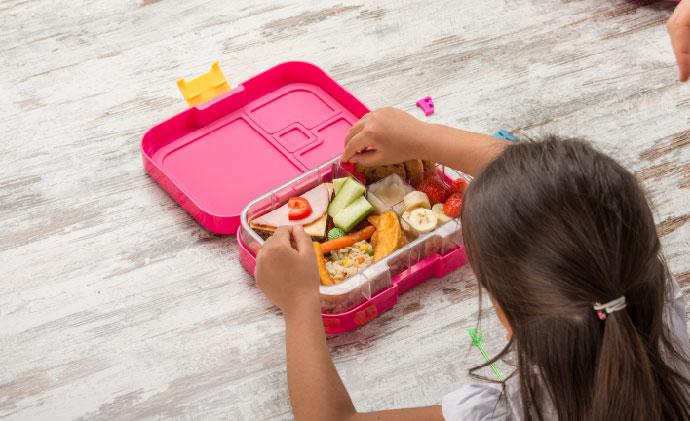
A lunch box is another opportunity to help children practise making food choices.
Involve them in planning what goes into their lunch box. Offer a few nutritious options and let them choose. You could ask whether they would prefer idli or vegetable paratha, or which seasonal fruit they would like.
As children grow older, peer influence becomes increasingly important. Rather than asking them to tell other children what they should or should not eat, help them feel confident about their own choices.
Being able to say, “No, thank you,” or “I like this,” without feeling embarrassed can help children navigate social situations around food.
Nutrition during childhood supports growth and development, and the eating habits children develop can influence their food choices as they grow. (ICMR National Institute of Nutrition)
A simple checklist for parents
- Offer a variety of nutritious foods.
- Give your child age-appropriate choices.
- Keep healthy foods readily available at home.
- Involve children in shopping, growing and cooking.
- Model the eating habits you want them to develop.
- Keep offering new foods without pressure.
- Respect hunger and fullness cues.
- Avoid labelling foods as 'good' or 'bad.'
- Don't use food as a reward or punishment.
Ultimately, it's about the healthy choices you make as a family. When children see healthy eating as a normal and enjoyable part of everyday life, they are more likely to carry these habits into adulthood.
Smitha Suresh is a holistic nutritionist and wellness consultant specializing in metabolic health and diet control for chronic conditions. She holds a Master’s degree in Food Science and Nutrition from the University of Mysore and has extensive clinical experience.
Need more information? Trusted resources:
- ICMR-NIN Dietary Guidelines for Indians 2024
- WHO responsive feeding
Last updated on: September 01, 2026



























Comments
Edit
Comment Flag
Cancel Update