
Are Health Drinks For Kids Really Healthy? Examining The Reality Behind These Drinks
Dr Neha Sanwalka Rungta
When it comes to 'health drinks', it often seems difficult to get a straight answer on whether certain products are actually good for your children. Let's take a closer look!
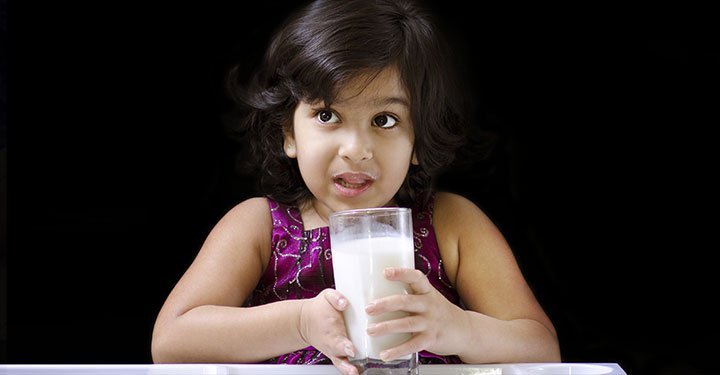
While shopping at the supermarket with her 5-year-old daughter, Niti arrived at the health drinks section. Her daughter demanded that she buy her a tin. When Niti refused to buy the same, her daughter insisted that she saw an advertisement for the health drink and that it will help her grow taller and stronger. However, Niti was reluctant to purchase it as she wasn't sure if these health drinks truly meet the tall claims they make. Let's help Niti decide if she should buy that health drink for her daughter or not.
A variety of health drinks are available in the market today that claim to boost children's growth, make them stronger and are fortified with vitamins and minerals. And several health drinks claim to be the best in the market. Many parents include these health drinks in their children's daily diet in a bid to help them grow better. Let's understand what health drinks are, and if they are beneficial.
What are health drinks?
Health drinks are powdered, flavoured supplements, which can be added to milk or water and can be consumed by children or adults. They add calories, proteins, vitamins and minerals to the diet. They come in a variety of flavours such as chocolate, vanilla and strawberry.
Ingredients in health drinks
In India, two basic types of health drinks are available:
- Malt-based drinks: The base of these drinks is wheat or barley malt.
- Sucrose or Corn syrup-based drinks: The base of these drinks is either sucrose or corn syrup.
Apart from malt or sucrose, health drinks contain the following ingredients:
- Proteins: Milk solids, whey or soy are used as a protein source in varying amounts
- Fats: Edible oils add medium-chain triglycerides, omega 3 fatty acids to the health drinks
- Prebiotics such as fructo-oligosaccharides which are food for healthy bacteria
- Probiotics i.e. healthy bacteria
- Vitamins and minerals
But not all health drinks contain all the above-mentioned nutrients. Hence, before you purchase a health drink, check the ingredient list to verify its contents of it.
Are there any hidden sugars in health drinks?
Yes, it does. As described above, the main base of any health drink is either malt or sucrose/ corn syrup. i.e. carbohydrates make up for almost 50-60 per cent of any health drink out of which 20-25 per cent is simple sugar. That is, health drinks contain a large number of hidden sugars.
Should health drinks be taken with water or milk?
Children have small stomach capacity and are unable to consume a large quantity of food or drinks. So, even though health drinks can be taken with water or milk, it is more beneficial to have them with milk, as the child will consume the natural nutrients present in milk too.
Benefits of health drinks:
Here are some of the benefits of health drinks:
- It adds to overall nutrient intake. According to a study titled 'Impact of dietary nutrient intake and physical activity on body composition and growth in Indian children' published in Pediatric Research by Dr Anuradha Khadilkar et. al. in January 2018, dietary nutrient intake is very low in Indian children. It adds that as children grow older, their micro-nutrient intake reduces by 55 per cent. Hence, adding health drinks to the diets of children can help make up for the nutrient requirement.
- All health drinks are a source of proteins, which are the building blocks of the body.
- Is your child refusing to drink milk because of its smell or taste? Health drinks come in a variety of flavours to enhance the milk's taste.
- As most health drinks are fortified with calcium and vitamin D, these help in the development of healthy teeth and bones.
- Health drinks that contain prebiotics and probiotics help maintain gut health and prevent constipation in children.
- Some health drinks are also fortified with omega-3 fatty acid that helps in brain development during the early years and improves concentration.
- Other vitamins and minerals in health drinks also promote healthy vision, strengthen immunity and boost growth.
What health drinks claim they contain vs what they actually contain:
Claim: The most common claim that health drinks make is that it helps the child grow taller, i.e. they should be the best source of proteins.
Fact: Health drinks for children contain only about 10-15 per cent of proteins, i.e if you add 2 tsp, i.e. 10g of health drink in a glass of milk, your child will get only 1-1.5 g of proteins which is a small amount.
Claim: Health drinks are fortified with vitamins and minerals.
Fact: It's true. Most health drinks are fortified.
Claim: Health drinks help children grow stronger.
Fact: Calcium in healthy drinks may add to the overall intake in children which may help them develop stronger bones. But there are no available scientific studies to support this claim.
Claim: Health drinks lead to healthy weight gain.
Fact: The major source of calories in health drinks is simple sugars or oils and hence, the weight gain contributed by health drinks may not be very healthy.
Health Risks:
Giving too many healthy drinks to kids can have potential drawbacks.
- As children get full after drinking healthy drinks, they may skip their meals and may not meet their nutrient requirements and thereby affecting growth and development.
- Also, healthy drinks are very high in simple sugars and excessive consumption can increase the risk of obesity and diabetes.
- A child may become dependent on sugary and chocolaty flavours.
Are healthy drinks really required for kids?
The need for a healthy drink is very subjective. If a child is underweight, fussy and has low immunity, the addition of health drinks is a good choice. However, if a child is eating a balanced diet, meets all his nutritional needs through diet and is active, there is absolutely no need for healthy drinks.
Do health drinks add anything extra to the growth and development of a child?
Only if the child is unhealthy, underweight, weak, have poor immunity, will a health drink add any extra benefits to the child's growth and development.
Can a health drink be made using home ingredients?
Health drinks can be made at home with simple ingredients. In fact, health drinks made at home will be low in calories and simple sugars as compared to market-brought health drinks and would be much healthier.
Here are some recipes for health drinks which can be easily made at home:
- Sattu-based health drink: Sattu or the roasted gram flour mixed in water makes for an excellent health drink. You can add some jeera, lemon and pinch of salt for taste.
- Milk powder-based health drink: Mix chopped almonds, pistachios, elaichi/chocolate powder with milk powder and store in a container. This makes an excellent home-made health drink that can be flavour milk and increase nutrient intake.
Health drinks are available in a variety of flavors and is a good source of vitamins and minerals. However, these health drinks also contain large quantities of hidden sugar and can lead to unwanted weight gain. Unless your child needs extra nutrients apart from his daily diet, you can avoid health drinks. Home-made health drinks are a better option for children as compared to store-bought ones.
























Comments
Edit
Comment Flag
Cancel Update