
Importance of drinking water: Fluid requirement for children
Sherly Ganesh
The article highlights the importance of drinking water and provides some appropriate drink options to keep children hydrated

"Pure water is the world's first and foremost medicine." - Slovakian proverb
Fluid requirements depend on various factors such as age, gender, weight, physical activity and weather conditions. However, the exact amount required by an individual is yet to be quantified. On an average, children require 5-7 glasses of water along with plenty of fruits and shakes in their diet. But younger children require smaller quantity in each serving than older children.
With the advent of summer and rising temperature, the body's water requirement also increases. However, most children fail to recognise early stages of thirst, which is the body's way of indicating that it time to replenish its water reserve. Diminished fluid levels in the body or dehydration can cause a host of problems in children. Some of them are loss of body weight, lack of concentration, reduced mental performances, frequent headaches, tiredness and dry skin. So, adequate hydration is vital for maintaining good health. Read on to know more about how to keep children healthily hydrated:
0-6 months
For babies in this age group, breastfeeding is ideal. Not only does it fulfil their nutritional needs but also provides them with the required amount of fluids.
6-12 months
Children can be breastfed until they are 12 months old. But once they are 6 months old, they can also be given pure fruit juices. For children who experience regular hunger pangs, a bottle of milk should be kept ready to regulate the fluid supply. Also, children more than 6 months old can be fed from a cup instead of a feeding bottle.
1-5 years
Young children have higher amount of water in their body than adults. Therefore, it is important to provide them with enough fluids to keep them hydrated. Children attending a kindergarten or playschool should take along a water bottle and teachers should encourage them to drink from it.
Remember, it is important to monitor fluid intake in children of this age group as most of them are unable realise the early stages of thirst.
6-10 years
Children are less heat tolerant and are more likely to suffer from dehydration as they are physically active. Teachers and care providers at school should prompt them to drink plenty of fluids and also ensure that they have access to water.
Read on to find out some appropriate drink options to keep children hydrated:
- Water: It is always a good choice against sugary drinks available in the market.
- Milk: Known as a complete food, milk is the best source of nutrients, especially calcium and protein. Parents should prefer giving children unsweetened milk that is low in fat. Flavored milkshakes, hot chocolate, etc., can be considered occasionally.
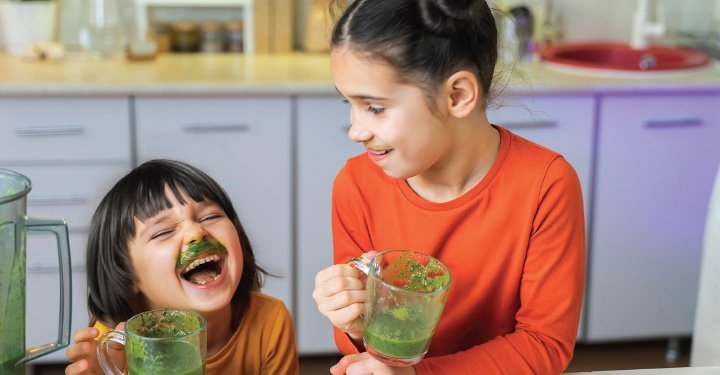
- Fruit juices and smoothies: Fresh fruit juices and smoothies are a good option compared to artificial juices available in the market. Make sure to include the fruit pulp while making fruit juices, as it is a good source of fibre.
- Regulate sodium content: Children who are physically active and involved in sport, cultural programs or hectic training sessions should be provided electrolyte solution (salt+sugar+water) to maintain adequate sodium levels in the body. Providing glucose containing drinks occasionally is also a good option. But try to avoid extra sugar in drinks, as it may lead to tooth decay.
- Avoid aerated drinks: Avoid introducing children to soda and aerated drinks. These contain small amounts of acid, which can increase the risk of gum problems. Children consuming fizzy drinks should use a fluoride-containing toothpaste to avoid tooth decay.
- Energy drinks: Older children (10-15 years old) involved in rigorous physical activities can be given energy drinks, for example protein powder mixed with milk. Heavy protein substitutes should be avoided, as they are not easy to digest.
Ways to keep your child hydrated:
- Give children a drink in the morning with breakfast, and before and after play time. This will help in maintaining appropriate fluid levels when they are involved in outdoor activities.
- Make sure to remind children to drink water at regular intervals. Teachers and care providers at school should also encourage children to drink water, especially during hot weather.
- Introduce plenty of fruits to children's diet, as they have high water content and naturally regulate water requirements.
- Always provide children with a water bottle when they are heading to school/playground or for outings.




















Comments
Edit
Comment Flag
Cancel Update