
FEATURED
Why Teenagers Need A Nutritious Diet And How Parents Can Help Them Eat Right
Ashwin Dewan
Your teen’s growing body and active brain need the right nutrients every day. A balanced, nutritious diet supports growth and energy and boosts focus, immunity, and long-term health. Here’s why eating right in the teen years makes a lasting difference
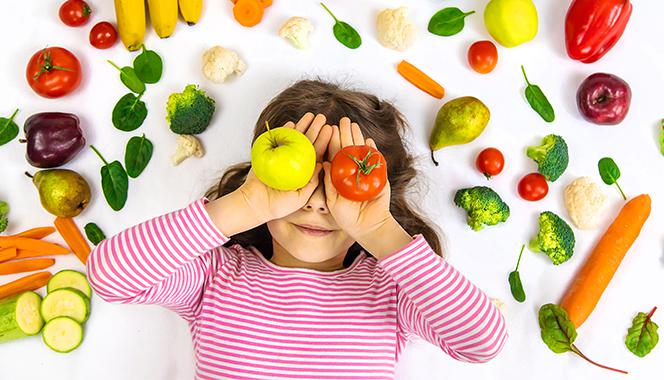
There is an old saying that goes 'you are what you eat'. What your teenage children eat can have a positive or negative impact on their quality of life. Good nutrition is very important during the growing-up years to support your child's overall growth and development.
According to the Dietitians Association of Australia, the teenage years are a critical period of growth and development for which good nutrition is required. During the adolescent years, the need for essential nutrients like protein, vitamins, and minerals increases along with an increase in appetite. This makes it imperative to give foods that are healthy to your teen. This article takes you through the nutritional requirements for your teen and tells you how you can help them eat better.
Why a nutritious diet is crucial during the teenage years
During their teenage years, children start experimenting with food, and they are tempted to eat processed and fast foods like burgers, pizzas, fries, etc., which contribute nothing to their health and instead are full of unhealthy fat, sugar, and salt. They lack nutrients like vitamins and minerals, which teens require, especially during growth spurts.
Thus, there is a need to give healthy, nutrient-rich foods to your teenager. Give them a diet rich in:
- A variety of vegetables, including legumes
- Different fruits
- Whole grain foods such as bread, cereals, pasta, noodles, oats, and barley
- Lean meats, eggs, fish, nuts, and seeds
- Milk, yogurt, and cheese
Common teen eating habits and how parents can guide them
You might see a change in your child's eating habits during their teen years. Their food choices and the amount of food they consume may change. This is perfectly normal. However, one thing you need to be aware of is that your teen might face body issues leading to changes in their eating habits and getting fewer nutrients in the process.
Teenagers grow and develop at different rates. Being overweight or underweight can be a concern for many teens. Some teens may find it difficult to adjust to these changes in their bodies and develop unrealistic expectations about how their bodies should look. As a result, they turn to fad diets, dieting, eating less food, or eliminating essential foods required during the growing-up years. You must talk to them about the dangers of such actions and help them understand the importance of eating food rich in nutrients.
Key nutrients teenagers need for growth, energy, and focus
Growing teens need lots of calories to support their rapid growth and development. According to the website Healthy Children, boys require an average of 2,800 calories per day while girls require an average of 2,200 calories per day. Let us look at some important nutrients a teen needs during the growing years.
1. Fat: Nowadays, teens consume too much fat. Their diet should contain no more than 30% of calories as total fat and 10% calories as saturated fat. It does not mean that you must completely banish fats from your teen's diet, for fats have a role to play in the proper functioning of the body.
Sources: Nuts, fatty fish, whole eggs, dark chocolate
2. Protein: Protein plays an important part in a teen's growth as the body needs protein for every crucial function. According to the site WebMD, boys require around 62 g of protein per day while girls require 46 g of protein per day.
Sources: Lean milk, beans, eggs, soy, seafood
3. Calcium: Since half of the skeletal growth happens during adolescence, large amounts of calcium are required during the teenage years. The Center for Young Women's Health says teenagers between the ages of 9 and 18 should try to consume 1,300 milligrams of calcium per day.
Sources: Yogurt, milk, cheese, sardine, broccoli
4. Iron: Iron plays a key role in growth. Iron is essential for the proper distribution of oxygen throughout the body. If your teen does not get enough iron, it may result in a condition of iron deficiency called anaemia. Children aged 9-13 years need 8 milligrams of iron per day, says KidsHealth.
Sources of iron: Red meat, seafood, beans, and iron-fortified cereals.
Tips to encourage teens to choose healthy meals over junk food
Proper nutrition is very important for growing teens. Do all you can to ensure your teen makes correct food choices and follows healthy eating habits. They must get all the essential nutrients required for their development.
We look at some ways you can help your teen build healthy eating habits.
Be a positive role model
Children look up to their parents as role models. Take the lead in showing them the benefits of following a healthy eating habit. Some of the ways you can do this are to always eat breakfast, choose healthy food options, avoid junk food, and opt for nutrient-rich food.
Avoid junk or processed food
Teenagers love to try out a variety of foods, including junk and processed foods. They relish biting into a burger, enjoying a slice of pizza, and drinking a soda on the side, little realizing the ill effects of these foods on their health. Packaged foods like chips and tinned foods are equally bad as they are nutrient-poor and loaded with hydrogenated fats. Be firm and say no to your teen's demands for junk and processed foods. Allow it only once in a while.
Try to talk about different foods
Emphasize all the good things about healthy eating and why nutrients are good for your teen's health. Teach your child about different foods and how the right foods can help improve their focus in academics, sports, and general well-being.
Involve your child in planning meals
Involving your teen in the meal-making process is beneficial as it helps them understand the importance of nutrients. Take them grocery shopping so they get to choose different foods and, in the process, learn the connection between good food and good health.
Limit the use of unhealthy foods at home
During their growing-up years, teenagers are always hungry and looking for food in the house. You can stock up on these healthy and high in nutrients foods: a bowl of fruit or chopped vegetables, wholegrain bread, and wholegrain crackers.
Risks of unhealthy eating habits in teenagers
Unhealthy eating habits can lead to many health issues in teenagers. Eating too much, eating less, or restricted eating can prove harmful to your child's health and growth.
Some risks of unhealthy eating in teens include:
1. Obesity
Irregular eating hours, skipping meals, overeating, and drinking sugary beverages can lead to weight gain over time, eventually leading to obesity. Obesity puts a teen at risk of many health conditions, including high cholesterol, type-2 diabetes, high blood pressure, heart disease, etc.
2. Inadequate nutrition
When teenagers go on a fad diet, they start cutting down on their food intake. This may result in them not getting enough nutrients as they normally should for their healthy growth and development.
In cases of severe dieting, teenagers can suffer from health problems like fatigue, poor concentration, and loss of muscle mass.
3. Ill effects of restricted eating
Teens may often indulge in selective eating, which means they may eat only certain foods, which may prove detrimental to health. For instance, if your children follow a dairy-free diet, they may miss out on valuable vitamins, minerals, and vitamin D.
Nutrition is essential for all human beings. Try to inculcate healthy eating habits in your child from an early age so they can reap the benefits throughout life.
Last updated on: August 4, 2025
Have insights, questions, or tips to share? Join the discussion on nutrition here.
The Dot health and safety program for pre-primary children places strong emphasis on good nutrition and making wise food choices. We educate children on the importance of a balanced diet and provide guidance on selecting healthy foods, thus laying the groundwork for lifelong nutritious eating habits.


























Comments
Edit
Comment Flag
Cancel Update