
Nutrition With A Side-Serving Of Life-Skills: Benefits Of Involving Children In Meal Planning
Monali Bordoloi
Putting a healthy, home-cooked meal on the table every day can be tough. But this hands-on dad's found a way to do it. He plans meals with his son, turning cooking time into lessons on nutrition, teamwork, and life skills

"Viren knows Sunday mornings are 'cheat mornings' where we indulge in oily masala dosas at Vishnu Garden. But he also knows that this is followed by meal planning for the week ahead. He looks forward to the exercise because his choices are taken into account and he feels involved, important and respected. He also understands the importance of not wasting food, because he had signed off on the menu. He still brings back some leftovers in his lunchbox, but understands it isn't right. The planning has another advantage: we don't waste time in the mornings trying to decide what to cook." This is what Rajesh V, father of six-year-old Viren and VP of a content provider company, has to say about his routine of meal-planning with his son.
What is meal planning?
If you are a working parent, chances are that you struggle to give your child nutritious home-cooked food day after day. Meal planning could be the answer to your problems. Meal planning is the exercise of deciding the components of each meal for about a week in advance, and making sure everything required is available. Apart from saving you the trouble of having to rack your brains for menu ideas each day, the exercise can also turn into a bonding experience if you involve your child in it, as Rajesh does.
"Apart from reinforcing good eating habits, getting children to take part in the meal planning helps them understand the importance of preventing wastage and making responsible food choices," says Rajesh. "With an activity like meal planning, you can establish a connection with your child and subtly teach him many things."
Bonding over food
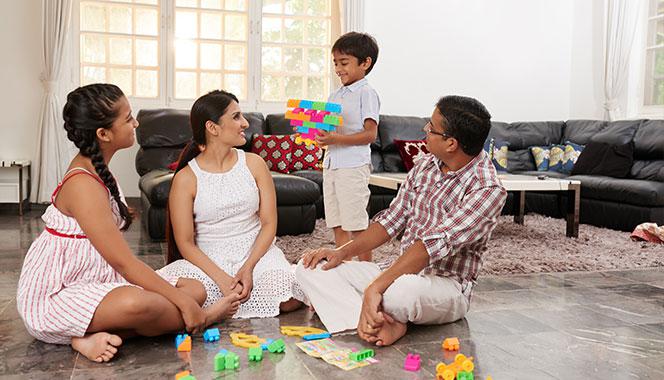
A hands-on father, Rajesh wants his son to appreciate food and develop a taste for diverse flavours early on. So, breaking the stereotype, he includes food and meal planning in his parenting journey. And, just after a year of practicing it, he says meal planning has helped develop essential social and life skills in his son.
Sundays are special in Rajesh's home. After their dosa outing, the father-son duo sits down to think up menus for each day of the coming week. After much discussion and negotiation, they firm up the list. They plan everything, down to the last detail, write it down on paper, and fix it on the fridge door for easy reference. The whole exercise takes just half an hour to 40 minutes.
Most times, such meal planning is followed by a trip to the local market to pick up the required vegetables and groceries.
Benefits of meal planning
Nutritionist Priya Kathpal says, "Meal planning is a great tool that can help one save time and add variety to the diet. As it encourages inclusion of seasonal food, thus taking care of the nutrition of the entire family. If you can involve your children in the planning process, it would be a first-hand lesson on nutrition for them. Also, meal planning helps reduce kitchen work by providing for prep time, and thus reduces stress, leading to hassle-free meals. Involving children in meal plans is a brilliant idea not just because it encourages them to eat better but also because it teaches them other life skills like organising, being independent etc."
Read on to find out how meal planning can benefit you and your child in other ways:
1. Educating the palate: Many working parents complain that their children do not appreciate healthy, home-cooked food and crave outside junk or processed food. Meal planning is an effective way of converting picky eaters.
2. Promoting decision-making skills: Involving your child in meal planning helps hone their decision-making skills. They will have a sense of importance, which is good for building confidence and raising self-worth. They will also feel involved because they get to have a say in what they eat.
2. Teaching the art of negotiation: The process of convincing your child to eat something they don't like involves meeting them halfway in a respectful manner. As they win some concessions and yield others, they will subconsciously learn the art of negotiation.
3. Inculcating a love for food: Planning for meals together will give your child a sense of the importance of food and develop a healthy respect for it. As they grow up, they will automatically incorporate the element of responsible meal planning and preparation into their day-to-day life.
4. Strengthening bonds: Discussing food, nutrition, and personal likes and dislikes is a good way to bond with your child. This time of sharing helps you to get to know each other even better. It conveys to your child the message that they are important to you, and that you want to listen to them and spend time with them.
5. Showing love: Eating together as a family is guaranteed to make your child feel loved. When they see what they have helped plan being served, it will give them a sense of being a valued part of the unit.
6. Breaking stereotypes: If men of the household are involved in meal planning, it sends the valuable message to children that the kitchen is not the sole domain of women; it tells them that cooking is a collective responsibility.
7. Fostering health: In the long run, such planning helps guard your child against eating disorders like bulimia and anorexia.
Practical benefits of meal planning
1. Introduces varieties of food: If your child is a fussy eater, meal planning with them gives you the chance to prepare them to try and accept different types of food.
2. Ensures nutritious food: If you worry that your child may not be getting the required nutrients, meal planning will help you get a grip on what you are feeding them each day and make changes as needed.
3. Stops binge eating: Planning meals ahead helps cut down on junk food and even prevents binge eating. It also acts as a check against impulse eating or buying unhealthy food items.
4. Prevents wastage of food: As your child is involved in the process of planning, the onus will be on them to see that food wastage is minimised.
5. Saves money: Planning helps you save money. You don't end up buying veggies you are not going to eat or ordering food from restaurants because there's nothing at home to cook.
Dos and Don'ts of meal planning
We hope you're eager to try out meal planning. Here are some basic rules to follow:
- As you are going to be involving your child in the meal planning exercise, do make sure that it is fun for them. It should not be a forced activity. Initially, they may not enjoy it, but handle it tactfully and find ways to kindle their interest, making them look forward to it each week.
- One of the basic ideas of the exercise is to regularly introduce new foods and flavours. Do keep that in mind when you're planning the week's menu.
- Another factor to be kept in mind while planning is the ease of execution. Don't go for anything that involves too many steps or ingredients.
- See how you can prepare in advance, while ensuring freshness. Do chop some of the vegetables required the previous night, and store them in air-tight containers in the fridge for use the next day.
- Do make sure to include seasonal fruits and vegetables in the meal plan.
- Do involve children over the age of three in the meal planning exercise. As they grow older, allow them to have more say in selecting dishes.
- Do focus on breakfast and school snack/lunch box items for the upcoming week during meal planning, and bring in dinners after you get a system in place.
- Do remember to take the likes and dislikes of all members of the family into account while planning meals, but work it out in such a way that at some time or another, everyone, including the child, gets to eat something which isn't their favourite but good for health.
- Consult your calendar. When you know that a festival is coming up, do include foods associated with it when you plan. For example, put down modaks (steamed dumplings with a sweet filling) for the Ganesh Chaturthi festival. Or sweet pongal during sankranti. Your child can be involved in preparing these special foods too, if they're old enough.
- Though it's good to make a comprehensive plan, do leave room for a couple of pleasant surprises and impromptu cooking.
Key takeaways from meal planning and bonding over food
Planning and sharing meals is a sure-fire way to let your child know they are loved. Besides encouraging healthy eating habits, it helps in developing their social skills.
- It helps you to bring discipline into your life.
- It helps you to introduce new flavours, including spices, into your child's diet and broaden their tastes.
- Planning lets you shop for provisions in advance, utilise time better, and use the time you saved to pursue a hobby or fun activity with your little one.
- It gives a chance for both parents to be involved in the whole mealtime process and promotes gender balance.
Here's a sample breakfast plan worked out by Rajesh and his son:
Monday: Mini idly
Tuesday: Rava Upma
Wednesday: Modak
Thursday: Sabudana Vada
Friday: Murukku Sandwich
Saturday: Akki Roti
Sunday: Masala Dosa
Of course, each family has its own favourites and 'can't-stand' foods. Take those into consideration while making your meal lists.
So, go ahead, bring out pen and paper, sit down with your little one, and draw up menus for the coming week. You choose some items, but give your child the liberty to choose others. Have fun together!
Do write to us about your experiences with planning meals along with your child.
Last updated on: August 4, 2025
Have insights, questions, or tips to share? Join the discussion on nutrition here.





























Comments
Edit
Comment Flag
Cancel Update