
Simple And Effective Ways To Improve Your Child’s Daily Eating Habits
Sujata Dewaji
Struggling with picky eating or unhealthy food choices? This article shares simple, practical tips to help your child develop better eating habits and build a healthy relationship with food, one bite at a time.
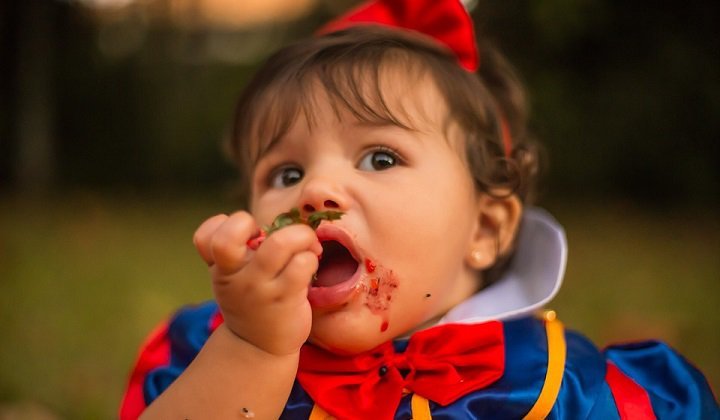
Most mothers have a tale of woe to share with all and sundry: They spend a lot of time thinking, planning and cooking nutritious meals, and placing it in front of their child, only to see the child screw up their nose and look the other way. And the kind of food children gladly eat is noodles, pizza, burgers, chips, and other types of junk food.
Why do children adopt a negative attitude towards food?
Children adopt a negative attitude towards food when they are fed in the following ways:
Distracting the child
Picture this scenario. The mother or the caregiver wants to finish feeding the child. She has other household chores to attend to. She takes her child to the balcony to show them the outside world - the cars, the vendors, the crows, the moon, and the stars. No sooner does the child part their lips in wonder, a ball of food is stuffed into their mouth.
Bribing
The child is fed by being bribed with chocolate or permission to watch TV at the end of the meal, and getting them used to a compulsory treat.
Praising
The child is overly praised after a meal, which makes them think that they must eat to make their mother happy.
Threatening
The child is given a threat that if they do not finish their food soon, their dad will be told about it. Sometimes parents say threatening things like, "The boo-boo man will come if you do not finish your food."
Being rigid about mealtimes and the quantity of food
The child is forced to have their meals at the dotted hour, despite having snacked fifteen minutes earlier. And they are expected to eat a certain quantity of food that has been served.
Making negative remarks on a child's eating habits
Children get upset when family members say, "She is such a fussy eater," "She is so thin," and "He likes only junk food," thus worsening the situation. The dining room becomes a battleground, a reverse tug of war between the parent and child. The parent pushes the plate towards the child, the plate is pushed right back to the parent, and a battle of wills ensues.
What happens when the child is forced to eat?
Yes, a parent has only good intentions when it comes to feeding the child, but then, pressurizing them to eat can have adverse effects on the child.
Force-feeding leads to eating disorders. When the child has no control over their eating habits, they will not learn to be in tune with their body's needs. They will not recognize hunger signals, or how much food they require, or when to stop eating. This could lead to eating disorders in the future.
Force-feeding affects digestion and nutrition. Nutritionists say that unpleasant experiences related to food lead to stress during mealtimes. Stress and anxiety affect digestion and hamper the assimilation of nutrients.
Thus, the child acquires a negative attitude towards food. If they dislike something, they throw it in the dustbin or outside the balcony, or surreptitiously pass it on to their pets. They will then sweetly say they have finished eating all that was on their plate. The child never learns the benefits of eating a balanced meal.
The parental mindset
Many of the problems relating to children's eating habits arise from the basic mindset that parents have about children and food.
For instance, Sonia thinks that a child does not recognize hunger and will not ask for food.
Deepak cannot understand how a child can gauge how much they want to eat; so he feels the child should not be allowed to serve themself.
Ashok believes that children prefer junk food to healthy food.
Sarita is emphatic that children should eat whatever is cooked at home and not be given choices; otherwise, they will never learn to eat whatever is available.
Mothers could do well to remember that once upon a time, their precious infant, when hungry, cried to be suckled and was laid down only when they felt full and stopped suckling. The mother never knew how much milk the baby consumed but trusted that the little one knew how much was needed for sustenance. So why should it be any different now that they are older and on solid foods? Don't we trust them anymore? We need to be aware of our own beliefs and observe if these are creating disharmony between us and our children.
How can you help your child become responsible for their food habits?
Start early
When your infant is about 8 to 9 months old, give finger foods or table foods they can pick up and eat by themself. Let the baby decide when to stop eating. Do not force every last spoonful. Even if they skip a meal, it's alright. They will make up for it during the next meal. Remember, babies are born survivors, they will not starve themselves.
Involve your child in meal planning
Yes, involve them. For instance, the next time you buy groceries from the market, let your child take great pride in picking carrots and beans and putting them in the basket. Keeping in mind the age of your child and what they can do, you can involve them in appropriate duties. They can help you plan the menu, prepare the meal, and lay the dishes on the table.
Eat meals together
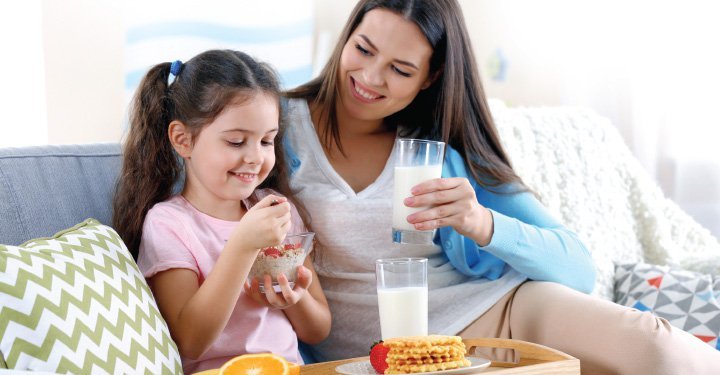
Have at least one meal together as a family. Let your child sit separately in a high chair or chair and eat. Encourage them to scoop the food into the spoon or pick it with the fingers, and serve themself small amounts, with additional helpings if needed. They will learn to understand how much food they need to fill their stomach. Instead of a bribe, praise, or threat, encourage the child by saying, "Looks like you enjoyed your dinner."
Allow healthy snacking in between meals
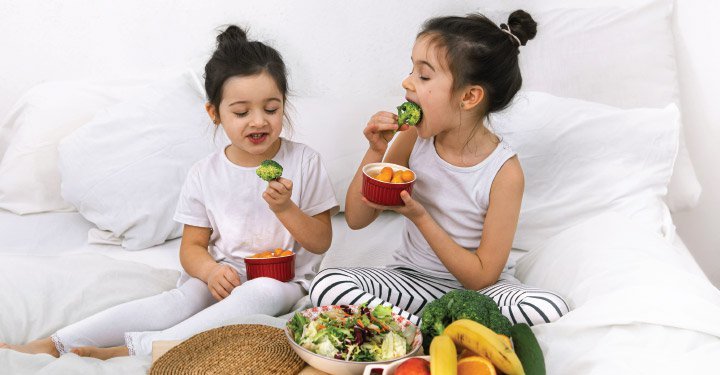
Eating small meals frequently during the day is the way to good health. Keep healthy snacks and finger foods readily available and give children access to these foods.
Keep junk food away
You cannot restrict your child from eating junk food if you stock it at home. Because your child will be tempted to binge on it. Instead, allow an occasional treat of their favorite foods.
Explore alternative foods
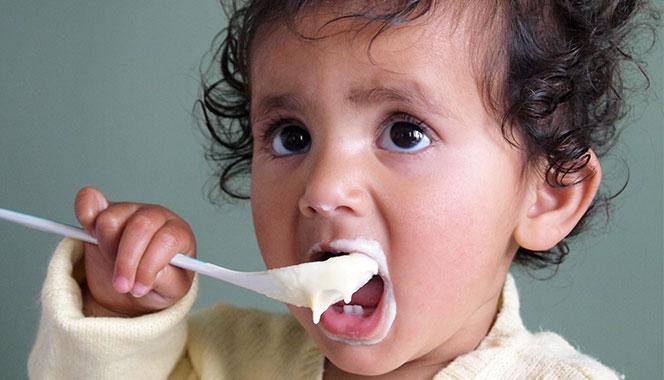
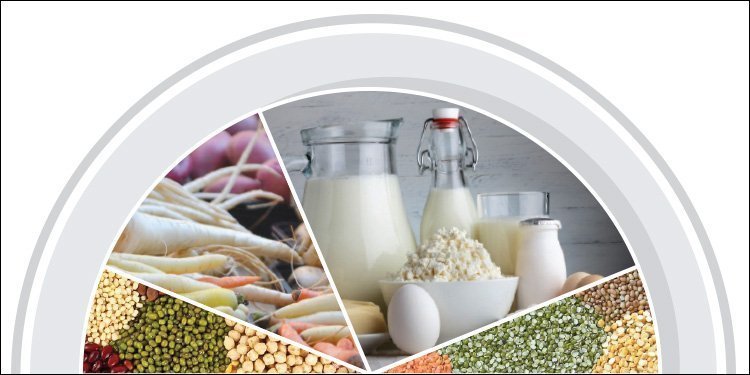
If your child throws up at the sight of milk, try to serve other dairy products like curd, raita, custard, paneer, pudding, milkshake and other such healthy options.
Make eating a standalone activity
Eating in front of the TV is a bad habit for children and adults. Your child must be fully aware of what they are eating, when the stomach is full, and when to stop eating, or else it could lead to eating disorders later in life. Your child could also become addicted to eating only while watching a favorite serial. Break the habit, even if it takes some time.
Be a role model
As parents, you can set an example by eating a balanced and healthy diet. A child who watches the parent enjoy a meal is less likely to be picky. A study of parent and child food preferences found that toddlers tend to like or reject the same fruits and vegetables their parents like or dislike.
Trust the child
By letting go, your child will take responsibility for their eating, and learn that food must be eaten for good health, and to eat just enough to satisfy their needs.
Be patient
You must ensure that a variety of good, nutritious food is served to your child. It may take several attempts to introduce new foods, but keep in mind that eating preferences change. Patience is the key and experimentation is the watchword.
The Dot health and safety program for pre-primary children places strong emphasis on good nutrition and making wise food choices. We educate children on the importance of a balanced diet and provide guidance on selecting healthy foods, thus laying the groundwork for lifelong nutritious eating habits.























Comments
Edit
Comment Flag
Cancel Update